After 28 years on death row, the murder charge is dismissed
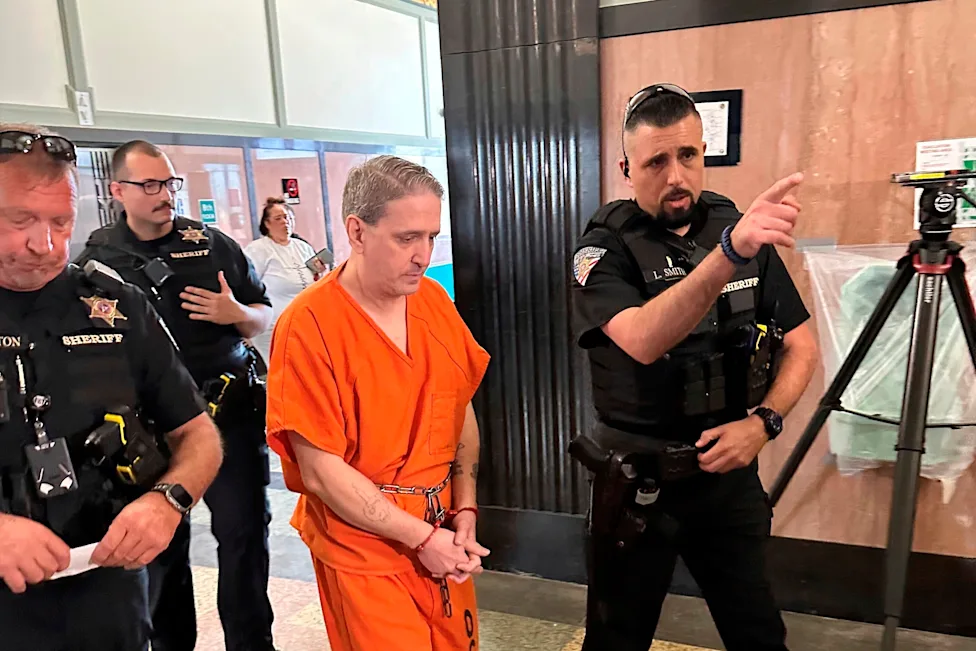
Oklahoma dismissed the murder case against Richard Glossip after he pleaded guilty to accessory after the fact while continuing to deny ordering Barry Van Treese’s killing.
- Development
- 12 November 2026
- Coverage
- Case update
- Current status
- Developing case
- Source record
- 3 verified sources
Murder prosecution ends with a narrower plea
Oklahoma prosecutors dismissed the first-degree murder charge against Richard Glossip after he pleaded guilty to being an accessory after the fact in the 1997 killing of motel owner Barry Van Treese. The agreement ends a case that sent Glossip to death row for 28 years. Glossip maintained that he did not hire anyone to kill Van Treese, but acknowledged that he helped conceal aspects of the crime after motel worker Justin Sneed carried out the killing. The plea creates a conviction for the cover-up offense, not for murder. [1] [2] [3]
Supreme Court found the original trial constitutionally compromised
The U.S. Supreme Court overturned Glossip's conviction in 2025 after Oklahoma's attorney general joined the request for relief. The Court focused on prosecutors' failure to correct false testimony by Sneed, the state's central witness, and the suppression of information relevant to his credibility and psychiatric treatment. The ruling did not declare Glossip factually innocent. It held that the trial could not stand under constitutional due-process requirements, returning the case to Oklahoma for a decision about retrial. [1] [3]
A retrial gave way to negotiated resolution
The attorney general's office initially said it would pursue a new, non-capital murder trial. Months of review and negotiation produced the accessory plea instead. Oklahoma Voice reported that the agreement could allow a sentence with no additional prison time, although the judge retains authority at sentencing. Glossip has already spent more time incarcerated than the maximum term ordinarily associated with the accessory offense. Sentencing is scheduled for December 17 and 18. [2] [3]
The plea preserves a contested account of responsibility
Sneed pleaded guilty to killing Van Treese and testified that Glossip offered him money to do it. Glossip has consistently denied commissioning the murder. By pleading to accessory after the fact, he accepts criminal responsibility for conduct after the killing while rejecting the allegation that made him eligible for the death penalty. The distinction is central: a negotiated plea resolves charges, but it does not require every side to agree about the original prosecution theory. [1] [2]
What remains before the case closes
The judge must impose sentence and determine credit for time served. Van Treese's family will have an opportunity to be heard, and Glossip may address the court. The agreement also leaves a wider institutional record: two murder trials, repeated execution dates, suppressed evidence and an extraordinary joint request by the state and defense to vacate the conviction. The verified news development is dismissal of the murder charge and entry of the accessory plea. Final custody consequences will not be known until sentencing. The resolution also illustrates the difference between innocence litigation and negotiated criminal liability. Glossip obtained relief because the trial was unfair; he then accepted a narrower offence tied to what he acknowledges happened after Van Treese’s death. Neither step answers every factual dispute. The sentencing court must now translate that limited admission into a final judgment after decades of imprisonment. [1] [2] [3]
Sources & further reading
- Glossip v. Oklahoma, Supreme Court opinion ↗Supreme Court of the United States · 2025-02-25 · Primary source
- Former Oklahoma death row inmate strikes plea deal ↗Oklahoma Voice · 2026-11-12
- Richard Glossip enters plea agreement as accessory after the fact ↗Death Penalty Information Center · 2026-11-12
Reader comments.
Keep it respectful and relevant to the report. No personal information, harassment or unsupported accusations. Comments are readers’ views.
Loading your sign-in status…