Six people regain their names as DNA reopens decades-old Long Island cases
Suffolk County authorities identified six previously unnamed people, including three homicide victims whose cases date to the 1970s and 1980s.
- Development
- 12 November 2026
- Coverage
- Cold-case development
- Current status
- Investigation updated
- Source record
- 3 verified sources
Six unidentified people are named
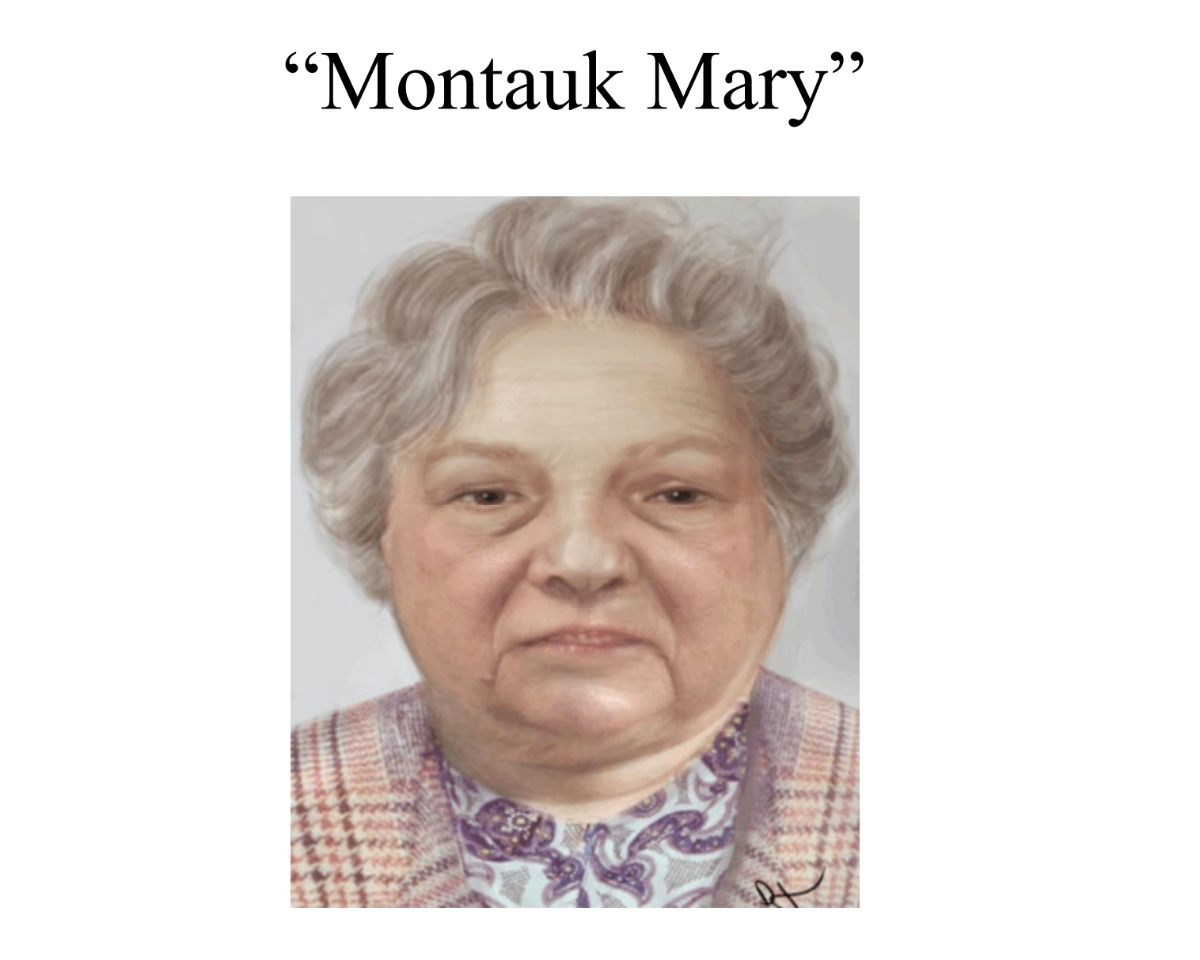
Suffolk County authorities announced that forensic genealogy and renewed records work had restored the identities of six people found dead on Long Island decades ago. Three of the identifications involve homicide victims: Sofia Margherita Marrone, previously called “Montauk Mary”; Ramon Perez y Rivera, known in files as “Raymond Doe”; and Antoinette Rugg, known as “Heckscher Jane Doe.” The announcement gives investigators and families names to work from, but identification is not the same as solving the murders. No new killer was charged in the three cases. [1] [2] [3]
Montauk Mary was Sofia Margherita Marrone
Marrone's remains were found near Montauk Point in 1978. She had gone unidentified for nearly 48 years. Authorities used DNA and genealogy to locate relatives and confirm her identity. Reporting says investigators are examining whether convicted serial killer Richard Biegenwald could be connected to her death. That is a line of inquiry, not a finding. The district attorney's office has not announced evidence establishing him as Marrone's killer, and responsible reporting must preserve that distinction. [1] [3]
Two other homicide files receive names
Perez y Rivera and Rugg were found in separate Suffolk County cases dating to the 1970s and 1980s. Genealogists built family trees from forensic profiles and combined them with documentary records. Naming a victim can expose residences, relationships, workplaces and travel that were invisible while the file carried only a placeholder. Those details can generate witnesses or rule out old theories. They can also bring difficult confirmation to relatives who had lived with an unexplained disappearance. [2] [3]
Forensic genealogy changes the starting point
Traditional identification methods depend on fingerprints, dental charts or a direct DNA comparison. Investigative genealogy can work outward from distant relatives who have permitted database matching, then narrow candidates through public records. Investigators still need a direct confirmation from a close relative or other reliable evidence before announcing a name. The Suffolk results show why unidentified-person cases are not administrative side files: without a name, a homicide investigation may have no meaningful victim timeline or social network. [1] [2]
What the announcement does not establish
The six identifications include deaths with different classifications, and the homicide findings should not be extended to every person named in the announcement. Nor does the identification of Marrone establish the reported possible-suspect theory. Detectives must now re-interview relatives, compare old evidence with modern methods and determine whether usable biological material remains. The cases are newly informed, not closed. The strongest verified development is that six people no longer remain anonymous and three murder investigations now have confirmed victim identities. Investigators may now compare travel, employment and relationship histories with old witness statements and unidentified evidence. Any suspect announcement should be measured against that new work, not inferred merely because a known offender once operated in the same region. Naming the victims is the investigative foundation for those next steps, not the conclusion of any homicide inquiry. [1] [2] [3]
Sources & further reading
- Suffolk County cold-case identifications announced ↗Suffolk County District Attorney’s Office release reported by Patch · 2026-11-12 · Primary source
- Two murder victims identified nearly 50 years after bodies found in Suffolk ↗Patch · 2026-11-12
- Long Island police identify six cold-case victims ↗New York Post · 2026-11-12
Reader comments.
Keep it respectful and relevant to the report. No personal information, harassment or unsupported accusations. Comments are readers’ views.
Loading your sign-in status…