Texas executes John Allen Rubio for the murders of three young children
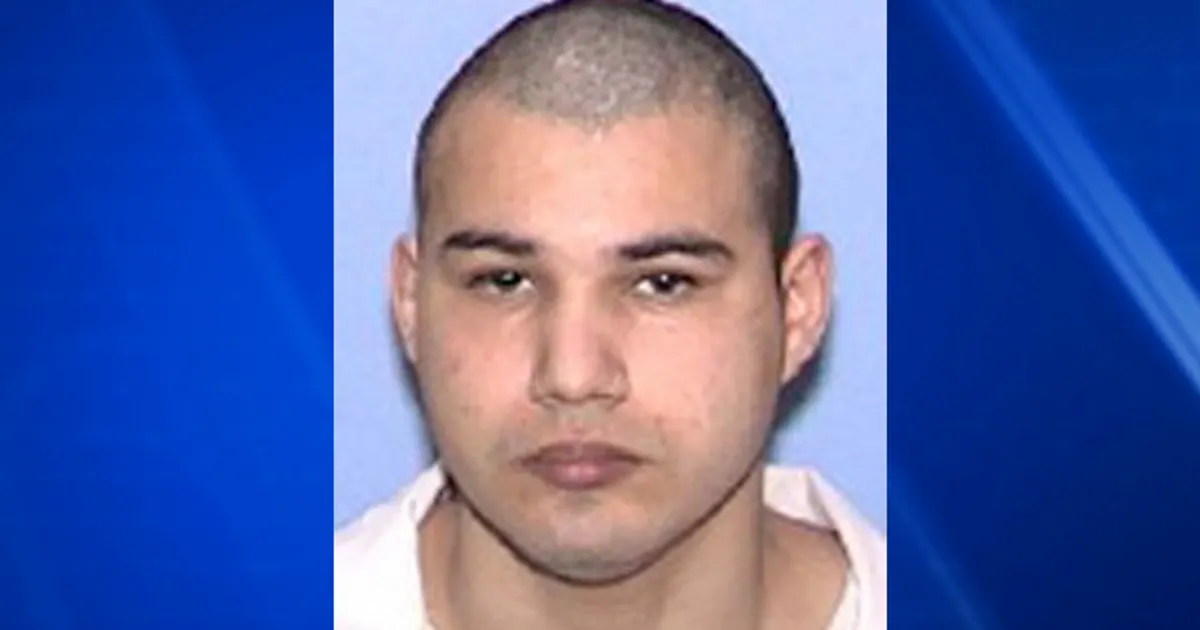
John Allen Rubio was executed in Huntsville for the 2003 murders of three children in Brownsville after his final legal challenges failed.
- Development
- 12 November 2026
- Coverage
- Breaking news
- Current status
- Developing case
- Source record
- 2 verified sources
What changed
Texas executed John Allen Rubio by lethal injection at the Huntsville Unit. The Texas Department of Criminal Justice recorded him as the person condemned for the 2003 killings of three children in Brownsville. He was pronounced dead at 6:47 p.m., according to reporting from the execution.
The public record separates what has been established from what remains contested. In a charge-based case, allegations are not findings and the defendant retains the presumption of innocence. In a plea or sentencing case, the admitted offense and the court's judgment define the result. This report uses those distinctions throughout and does not treat an accusation, indictment or investigative step as proof of guilt. [1] [2]
The underlying case
Rubio was convicted of killing 3-year-old Julissa Angela Quezada, 14-month-old John Esteban Rubio and 2-month-old Mary Jane Rubio. Angela Camacho, Rubio’s common-law wife and the mother of the children, received a life sentence for her role. The case led Brownsville to demolish the apartment building where the children died and create a community space on the site.
The public record separates what has been established from what remains contested. In a charge-based case, allegations are not findings and the defendant retains the presumption of innocence. In a plea or sentencing case, the admitted offense and the court's judgment define the result. This report uses those distinctions throughout and does not treat an accusation, indictment or investigative step as proof of guilt. [1] [2]
What the court record means
Rubio’s lawyers pursued final challenges to the execution, including litigation over Texas’s execution drugs and requests for clemency. The Texas Board of Pardons and Paroles denied clemency, and courts declined to stop the execution. TDCJ’s public inmate record identifies the conviction and victims; independent reporting documented the execution itself and Rubio’s final statement.
The public record separates what has been established from what remains contested. In a charge-based case, allegations are not findings and the defendant retains the presumption of innocence. In a plea or sentencing case, the admitted offense and the court's judgment define the result. This report uses those distinctions throughout and does not treat an accusation, indictment or investigative step as proof of guilt. [1] [2]
What happens next
The execution ended Rubio’s criminal case but not the broader debate over lethal-injection practices. It came on the same day Oklahoma executed James Pavatt, placing renewed attention on the pace and administration of capital punishment in the United States.
The public record separates what has been established from what remains contested. In a charge-based case, allegations are not findings and the defendant retains the presumption of innocence. In a plea or sentencing case, the admitted offense and the court's judgment define the result. This report uses those distinctions throughout and does not treat an accusation, indictment or investigative step as proof of guilt. [1] [2]
Sources & further reading
- John Allen Rubio inmate information ↗Texas Department of Criminal Justice · Date not stated · Primary source
- Texas man convicted in beheading of 3 children is put to death ↗Associated Press · 2026-11-12
Reader comments.
Keep it respectful and relevant to the report. No personal information, harassment or unsupported accusations. Comments are readers’ views.
Loading your sign-in status…