ABSCAM: The undercover sting that reached Congress
An FBI operation built around a fictitious Arab investment company exposed elected officials accepting money in exchange for political favors, producing convictions and a lasting debate over undercover tactics.
- Period
- 1978–1980
- Location
- New York, New Jersey and Washington, D.C.
- Case status
- Seven members of Congress and other officials convicted
A front company and an expanding inquiry
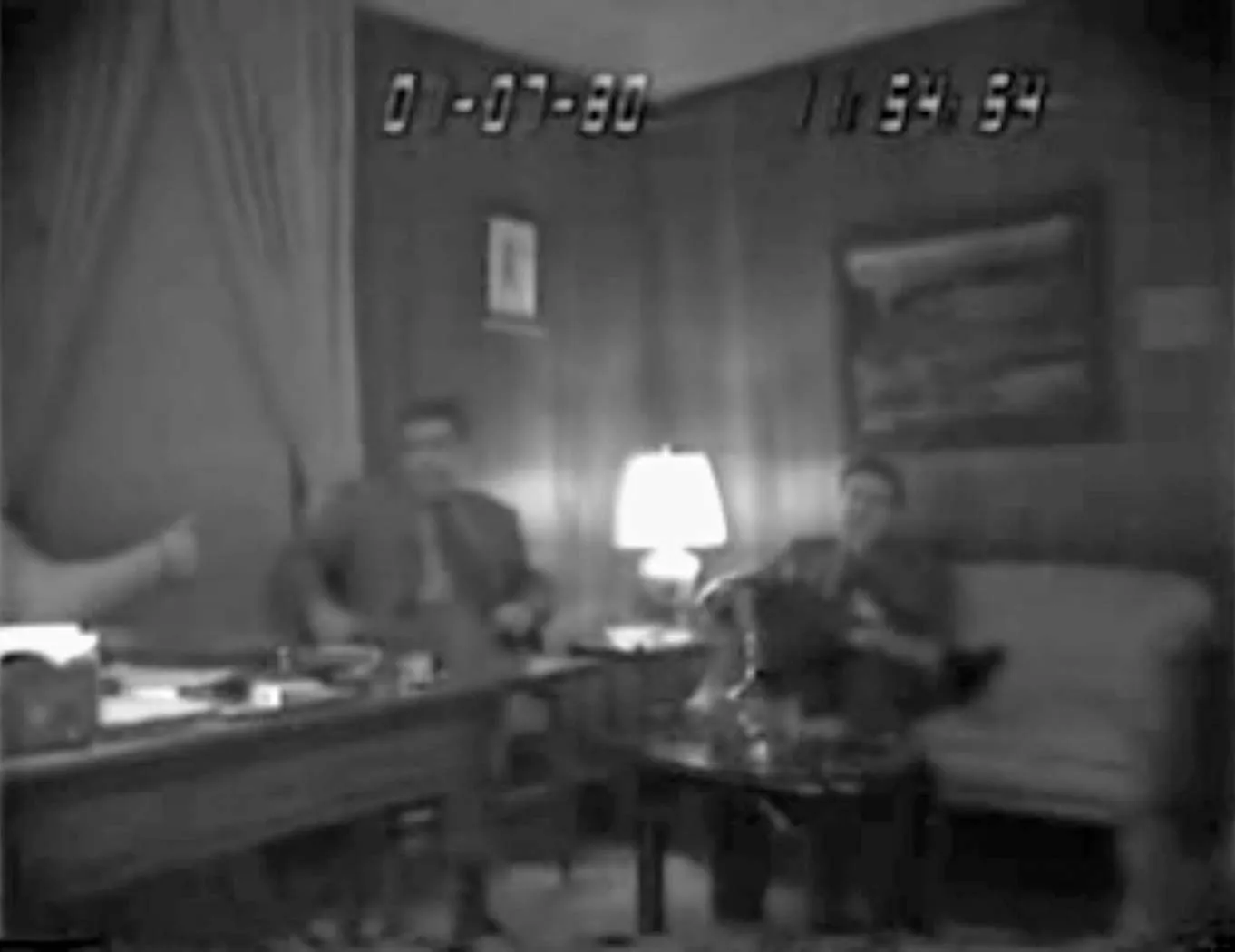
The investigation began in 1978 after the FBI developed an undercover operation around Abdul Enterprises, a fictitious business presented as representing wealthy Arab investors. Agents initially pursued trafficking in stolen property, but conversations with intermediaries led toward public officials who were said to be willing to trade influence for money. Undercover agent Melvin Weinberg posed as a representative of the invented investors. Meetings were recorded, giving investigators evidence that did not depend solely on the memory of a cooperating witness. The inquiry eventually moved from New York criminal circles into municipal offices, state politics and Congress.
What the cameras recorded
Officials were approached with proposals involving immigration assistance, casino licensing, public contracts and investment projects. The government said cash payments were offered in exchange for specific official acts. The recordings captured negotiations, refusals, acceptances and discussions about how influence would be used. Those tapes became the public face of ABSCAM after the operation was disclosed in 1980. They also made the evidence unusually direct for a corruption prosecution: jurors could hear the language used in the room and assess whether a defendant appeared reluctant, pressured or ready to participate.
Indictments and convictions
The operation produced convictions of one U.S. senator, six members of the House of Representatives, a New Jersey state senator, members of the Philadelphia City Council and other figures. Some defendants were charged with bribery and conspiracy; the exact allegations differed according to each meeting and promised act. The convictions did not rest on a theory that political access itself was illegal. Prosecutors had to show a corrupt exchange between a thing of value and an official action. Several members resigned or were expelled after the evidence became public.
Entrapment became the central challenge
Defense lawyers argued that the government had manufactured crimes and induced people who otherwise would not have committed them. Courts examined whether investigators had merely provided an opportunity or improperly implanted a criminal design. Appellate rulings largely upheld the prosecutions, finding sufficient evidence of predisposition in the recorded conduct. The controversy nevertheless prompted internal reviews and clearer rules for sensitive undercover operations involving elected officials. ABSCAM therefore became important not only for the people convicted but for the procedures the Justice Department would use in later public-corruption stings.
Why the case still matters
ABSCAM demonstrated the power and danger of immersive undercover investigations. Video could expose a corrupt bargain with unusual clarity, yet the same operation could distort political behavior if agents supplied every element of the scheme. Later prosecutions, ethics investigations and courtroom arguments continued to invoke the lessons of the case. The historical record is also a warning against treating every person approached as equally culpable: several officials rejected the overtures, and each prosecution depended on its own words and acts. The enduring issue is how government may test integrity without creating the offense it claims to uncover.
Reader comments.
Keep it respectful and relevant to the report. No personal information, harassment or unsupported accusations. Comments are readers’ views.
Loading your sign-in status…