Machine Gun Kelly and the Urschel kidnapping
The kidnapping of oilman Charles Urschel for a $200,000 ransom ended with the capture of George “Machine Gun” Kelly and provided a model for evidence-driven interstate investigations.
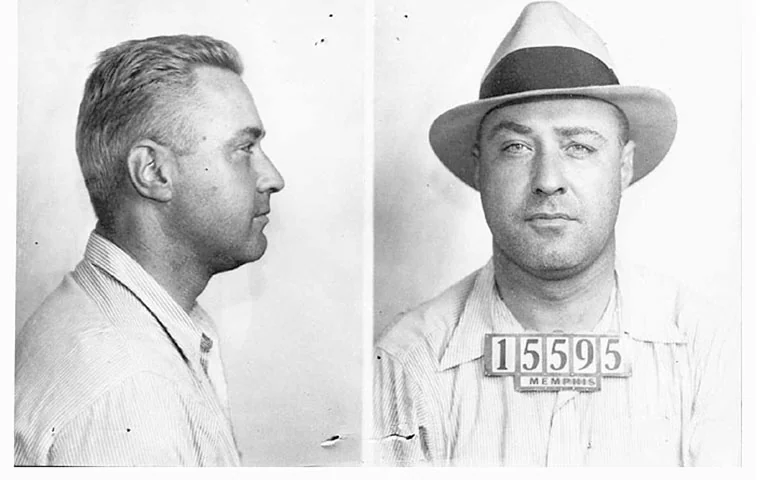
- Period
- 1933
- Location
- Oklahoma and Texas
- Case status
- George and Kathryn Kelly convicted and sentenced to life imprisonment
A kidnapping during a bridge game
On July 22, 1933, armed men entered the Oklahoma City home of Charles and Berenice Urschel while the couple played bridge with friends. Unable or unwilling to identify which man was Urschel, the kidnappers initially took both male guests, then released Walter Jarrett after determining his identity. They held Urschel and demanded $200,000. The crime came during a national wave of high-profile kidnappings that had expanded federal authority and public expectations for coordinated investigation.
A captive who collected evidence
Although blindfolded, Urschel paid attention to sounds, road surfaces, travel time, aircraft overhead and the conditions of the place where he was held. He also left fingerprints where he could. After the ransom was paid and he was released, those observations helped investigators narrow the location to a farm near Paradise, Texas, linked to associates of George and Kathryn Kelly. The victim’s account became investigative evidence because it contained testable environmental details rather than only a general description.
Ransom currency and a widening network
Investigators recorded the ransom bills’ serial numbers and traced spending. Leads connected participants, safe locations and relatives across several states. Agents arrested people involved in guarding Urschel and handling the money, gradually isolating George and Kathryn Kelly. The inquiry combined field offices, local police and financial tracing. As in other ransom cases, possession of a marked bill required context; the government built its case by linking currency to travel, relationships and the physical site where Urschel had been confined.
Capture, trial and sentence
George and Kathryn Kelly were arrested in Memphis in September 1933 without the dramatic gun battle later associated with Kelly’s nickname. Both were convicted in federal court and received life sentences. The prosecution was among the first major cases under the expanded federal kidnapping law. George Kelly died in federal prison in 1954. Kathryn Kelly was eventually released after serving roughly a quarter century, a reminder that identical original sentences can produce different custodial histories.
The “G-men” phrase and the documented case
Legend says Kelly surrendered by shouting, “Don’t shoot, G-men,” giving federal agents their famous nickname. The FBI’s own historical review says contemporary records do not support that dramatic line and suggests it emerged later in the press. The myth should not eclipse the more important facts: a victim observed carefully, agents traced ransom money and locations, and an interstate network was dismantled through corroboration. The case strengthened the Bureau’s public identity, but its lasting investigative lesson is the value of disciplined observation and evidence over a memorable phrase.
Reading the historical record
The strongest parts of the record are unusually concrete: Urschel’s observations, the confinement site, traced currency, arrests and federal convictions. The famous surrender phrase is far less secure and appears to have grown after the event. Treating the legend as doubtful does not diminish the case; it improves it. Investigators succeeded through the victim’s attention and corroborated evidence rather than a cinematic confrontation, and the legal result came from a trial record, not from Kelly’s carefully cultivated nickname.
Reader comments.
Keep it respectful and relevant to the report. No personal information, harassment or unsupported accusations. Comments are readers’ views.
Loading your sign-in status…