The Isabella Stewart Gardner Museum heist
Two men posing as police officers entered Boston’s Gardner Museum after midnight and stole thirteen works valued at hundreds of millions of dollars. None has been recovered.
- Period
- 1990
- Location
- Boston, Massachusetts
- Case status
- Unresolved; thirteen works remain missing
A false police call after midnight
In the early hours of March 18, 1990, two men dressed as Boston police officers arrived at the Isabella Stewart Gardner Museum and told guards they were responding to a disturbance. Once admitted, they subdued and restrained the guards. The thieves spent more than an hour inside, moving through galleries without an alarm bringing outside intervention. Their disguise exploited human trust rather than defeating every security system technically, making the decision to open the door a central point in the reconstruction.
Thirteen objects removed
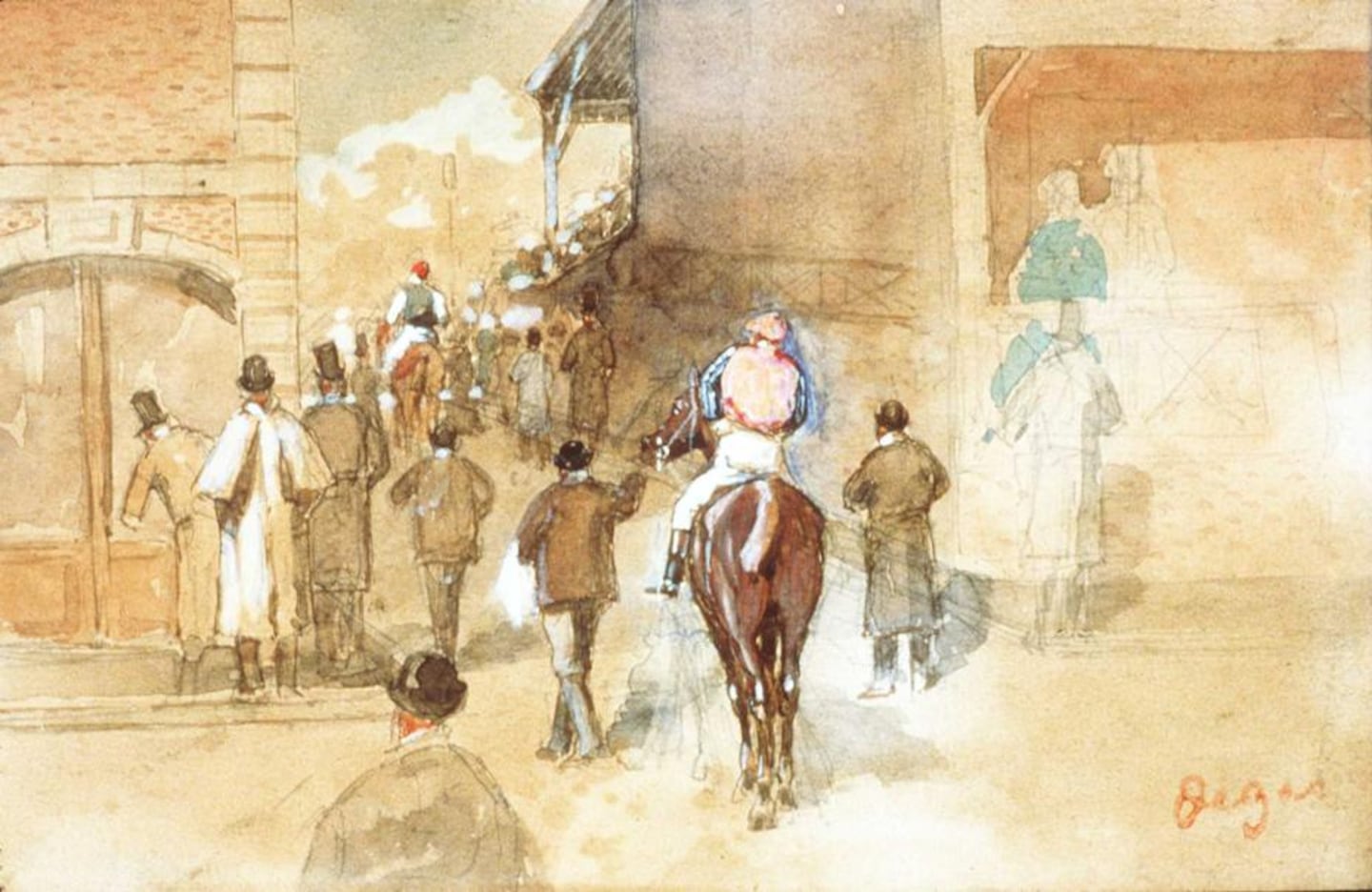
The thieves took works by Vermeer, Rembrandt, Degas and Manet, among others, as well as an ancient Chinese vessel and a finial from a Napoleonic flag. Some paintings were cut from their frames, causing damage and leaving empty spaces that the museum still displays. The selection appeared inconsistent: works of enormous fame were taken, while other valuable pieces were left. That pattern has fueled theories about knowledge, haste and motive but has never produced a verified explanation.
A crime scene without a quick arrest
Investigators examined guard conduct, access, security records, criminal networks and the possible movement of stolen art. The FBI has said it believes members of organized crime in the Northeast were involved and that the works moved through criminal circles, but no one has been charged with the theft. Some suspected participants died, and reported sightings or offers failed to produce an authenticated recovery. The museum and federal authorities continue to seek information.
Why famous art is difficult to sell
The stolen works are internationally recognized and cannot enter legitimate auction or museum markets without immediate scrutiny. Stolen art may instead be held as collateral, used in criminal bargaining, hidden by people who cannot sell it or destroyed through neglect. Public speculation can generate tips but also false claims and attempted fraud. Authentication requires physical examination, provenance and confirmation that an object matches the stolen work; a story or photograph alone is not enough.
Empty frames as an active record
The Gardner Museum maintains empty frames in accordance with the founder’s installation and as a statement that the works are expected to return. The FBI and museum have publicized images, offered rewards and pursued leads across decades. The case remains historically significant not merely because of estimated value but because the theft removed irreplaceable cultural objects from public view. Its unresolved status also demonstrates the difference between a persuasive investigative theory and a prosecutable case: without recovered art or admissible evidence tying living defendants to the entry, the mystery endures.
Reading the historical record
The FBI and museum continue to publicize the missing works, but neither public reward notices nor reported underworld stories amount to a charge. Names have circulated in books and news reports without a trial establishing responsibility. The safest historical status remains an unsolved theft with investigative theories. The objects themselves are the best identifiers: dimensions, materials, provenance and conservation details allow experts to recognize them if they surface, while an unsupported claim of access cannot authenticate a recovery offer.
Reader comments.
Keep it respectful and relevant to the report. No personal information, harassment or unsupported accusations. Comments are readers’ views.
Loading your sign-in status…