The Barker–Karpis gang and the Midwest kidnapping era
The Barker–Karpis gang moved from bank robbery to high-value kidnappings, including brewery executive William Hamm and banker Edward Bremer, before a federal pursuit broke the organization apart.
- Period
- 1931–1936
- Location
- Minnesota and the Midwest
- Case status
- Gang dismantled; principal members killed, captured or convicted
From robbery crews to an organized gang
Alvin Karpis joined Fred and Arthur Barker in a shifting network of criminals operating across the Midwest. The group committed bank robberies, burglaries and killings while relying on safe houses, stolen vehicles and corrupt contacts. St. Paul’s underworld environment gave fugitives room to operate, but law-enforcement pressure and new federal powers narrowed that space. Popular accounts later cast Kate Barker as the gang’s mastermind. Surviving records and Karpis’s own statements provide far stronger evidence that the male gang members planned operations, while Barker’s precise knowledge and role remain debated.
The Hamm kidnapping
In June 1933, kidnappers seized William Hamm Jr., president of the Hamm’s brewery, near his St. Paul office. He was taken across state lines and released after a ransom was paid. Investigators recovered a ransom note bearing latent prints later associated with gang members, an important use of forensic evidence. The interstate movement of the victim brought federal authorities into a crime that had once been handled chiefly by local agencies. The successful ransom encouraged the gang to attempt an even larger abduction.
Edward Bremer and a national manhunt
Banker Edward Bremer was kidnapped in January 1934, held for weeks and released after payment of a $200,000 ransom. The case produced extensive investigative work involving ransom currency, communications, vehicles and the gang’s network of helpers. Public attention was intense because the victim’s family was prominent and the crime followed other major kidnappings. Federal agents identified participants and pursued them across multiple states, gradually turning a mobile organization’s need for money, housing and associates into a trail.
Violent endings and arrests
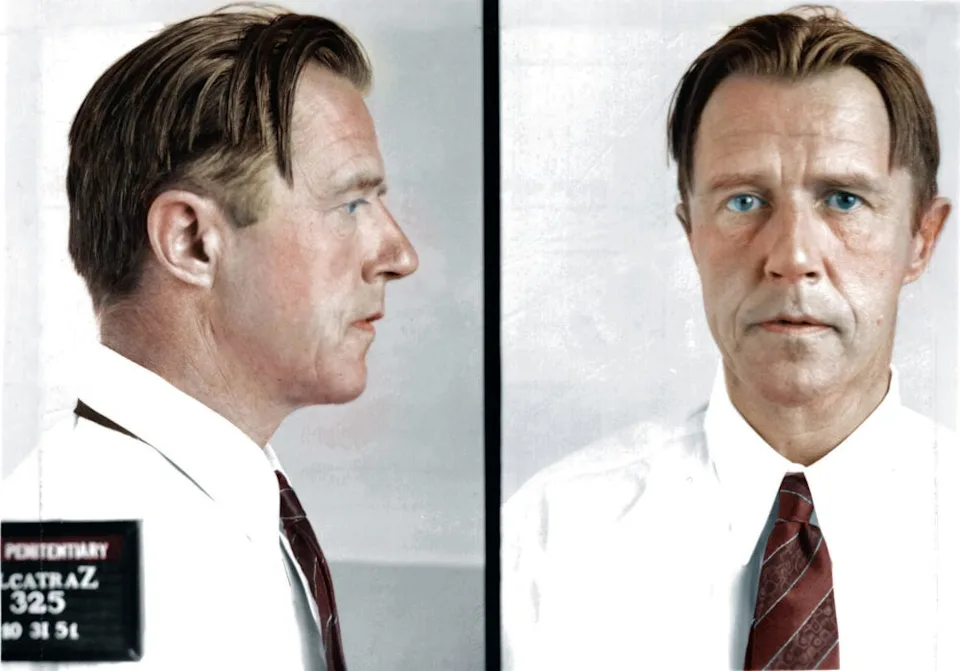
Fred Barker and Kate Barker were killed during a prolonged shootout with agents in Florida in January 1935. Arthur Barker was captured and later died during an escape attempt from Alcatraz. Karpis remained at large until 1936, when FBI Director J. Edgar Hoover took part in his arrest in New Orleans. The exact circumstances of that arrest later became contested in competing accounts. Karpis was convicted and spent decades in federal custody, including a long period at Alcatraz, before parole and deportation.
History beyond the “Ma Barker” myth
Films and newspaper stories transformed the gang into a family melodrama led by a criminal mother. The evidentiary record is less tidy. It supports a violent, adaptive gang whose core members worked with numerous accomplices and whose crimes accelerated the federal government’s role in kidnapping cases. The case also shows why labels should not replace proof: Kate Barker was present with Fred at the final shootout, but claims that she planned the gang’s major crimes are not established by comparable documentary evidence. The real story is one of interstate networks, forensic tracing and expanding federal jurisdiction.
Reading the historical record
The FBI case history and Minnesota historical material are strongest when read together. Federal records emphasize warrants, forensic work and arrests; regional history explains the protection networks and local environment that allowed fugitives to operate. Neither supports a simple family hierarchy in which Kate Barker directed every offense. The documented kidnappings and convictions stand independently of that legend, and the exact responsibility of each participant should be tied to evidence rather than a nickname or later film portrayal.
Reader comments.
Keep it respectful and relevant to the report. No personal information, harassment or unsupported accusations. Comments are readers’ views.
Loading your sign-in status…