The Murder of Elizabeth Short
Elizabeth Short, 22, was found dead in Los Angeles on January 15, 1947. The FBI helped identify her through fingerprints, but the Los Angeles investigation never established who killed her. Numerous confessions and later theories have circulated; none amounts to a judicial finding.
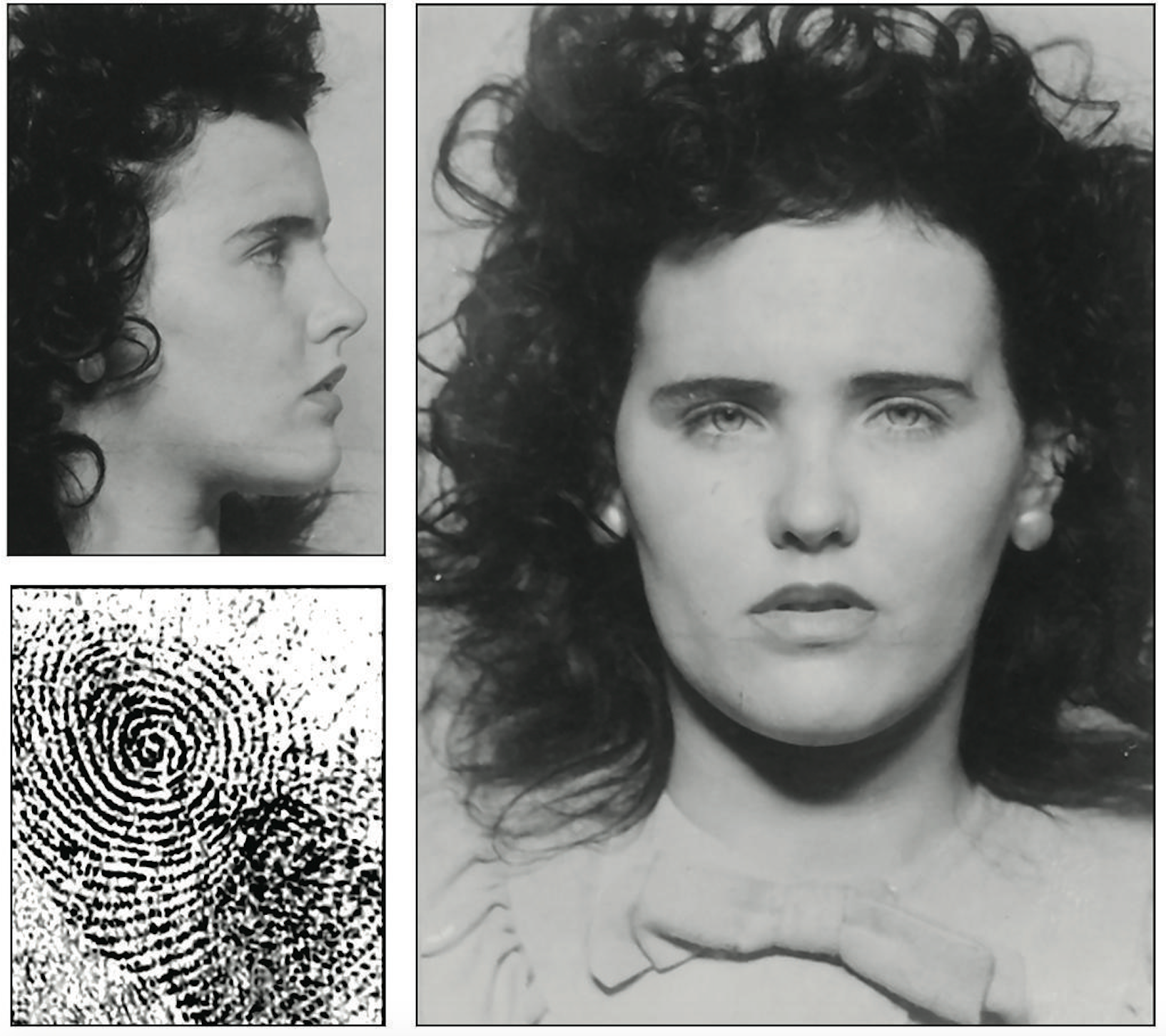
- Period
- 1947
- Location
- Los Angeles, California
- Case status
- Unsolved
The discovery in Leimert Park
On the morning of January 15, 1947, a woman walking with her young daughter found Elizabeth Short’s body in a vacant lot in Los Angeles. Short was twenty-two. The condition in which she had been left made clear that her killer had spent time with the body, but repeating the graphic details adds little to understanding the investigation.
Police initially did not know her name. Her fingerprints were transmitted to the FBI, which had a set from an earlier arrest and from an application for a wartime job. That record allowed authorities to identify her quickly and notify her family.
Elizabeth Short before the headline
Short was born in Boston in 1924 and grew up largely in Massachusetts. She spent time in California and Florida and moved between friends, hotels and rented rooms. Like many young women in post-war Los Angeles, she was later described through an invented Hollywood narrative that often outran the evidence about her life.
Newspapers embraced the nickname “Black Dahlia,” a label that transformed a victim into a character. Sensational stories about her clothing, relationships and ambitions became part of the case’s public memory, even when facts were uncertain or exaggerated.
A flood of leads and false confessions
The Los Angeles Police Department conducted a huge inquiry, interviewing people who had known Short and tracing her movements in the days before her death. The FBI supported the work with fingerprint searches, laboratory analysis and record checks in other states.
Publicity produced a torrent of tips and confessions. Some callers sought attention; others repeated details published by newspapers. Investigators had to separate genuine knowledge from information anyone could have read. The volume of noise consumed time and helped create a permanent cloud of competing stories.
Why no suspect was charged
Police considered numerous people, but prosecutors never filed a murder case. Physical evidence was limited by the standards of the period, witness accounts conflicted and the victim’s last confirmed movements did not establish who had killed her.
Later authors have named doctors, acquaintances and relatives as possible suspects. These claims vary widely in quality. None has produced a conviction or an official finding, and presenting a popular theory as solved history would go beyond the evidence.
The woman behind an enduring myth
The case remains one of Los Angeles’s best-known unsolved murders because it sits at the intersection of post-war growth, Hollywood imagery and tabloid crime reporting. That fame can obscure the central fact: Elizabeth Short was a real person whose family received no answer.
A responsible account keeps proven facts separate from folklore. The fingerprints identify the victim; the investigative files document an enormous search; the absence of charges means the identity of the killer remains unknown.
Reader comments.
Keep it respectful and relevant to the report. No personal information, harassment or unsupported accusations. Comments are readers’ views.
Loading your sign-in status…