A False Aunt at the School Door: The Bobby Greenlease Kidnapping
Six-year-old Bobby Greenlease was taken from his Kansas City school in September 1953 and murdered before a record ransom was paid.
- Period
- 1953
- Location
- Kansas City, Missouri
- Case status
- Carl Hall and Bonnie Heady convicted and executed
A woman arrives with a false family emergency
On September 28, 1953, Bonnie Heady went to the French Institute of Notre Dame de Sion in Kansas City and said she was Bobby Greenlease’s aunt. She claimed his mother had suffered a heart attack and persuaded a nun to release the six-year-old into her care. A telephone call soon exposed the story. Bobby’s father, automobile dealer Robert Greenlease, contacted police and the FBI. By then, Heady and her partner Carl Hall had taken the child across the state line into Kansas.
The child was killed before negotiations
Hall later admitted that Bobby was shot soon after the abduction and buried in a shallow grave behind Heady’s home in St. Joseph, Missouri. The killing occurred before the family received the ransom demand, meaning payment could never secure the child’s return. Hall and Heady nevertheless sent instructions demanding $600,000, then the largest ransom paid in the United States. Robert Greenlease followed directions in the hope that his son was alive and delivered the money without waiting for investigators to intervene.
A trail of spending and suspicious behavior
After receiving the ransom, Hall and Heady traveled and spent money conspicuously. Hall abandoned Heady and moved through St. Louis with another woman, attracting attention through drinking, cash and inconsistent explanations. A taxi driver and hotel contacts supplied information. Police arrested Hall and recovered large sums, then arrested Heady. Their statements led investigators to Bobby’s grave. The discovery confirmed that the ransom negotiations had been conducted after the murder and transformed the investigation into a capital prosecution.
More than half the ransom disappeared
Authorities recovered roughly half of the ransom, but about $300,000 was never conclusively found. Questions focused on what happened between Hall’s possession of the money and its inventory by officers. A St. Louis police lieutenant and others faced scrutiny, and Hall gave shifting accounts about who might have taken it. Investigations did not recover the full amount. The missing money became a second enduring mystery, separate from the established responsibility of Hall and Heady for the kidnapping and killing.
Guilty pleas and closely timed executions
Federal law allowed the death penalty for kidnapping when the victim had not been released unharmed. Hall and Heady pleaded guilty in federal court. Both were sentenced to death and executed in Missouri’s gas chamber on December 18, 1953, less than three months after the abduction. Their pleas meant there was no extended jury trial testing every evidentiary dispute. The legal outcome was nevertheless direct: both admitted involvement, and Hall acknowledged shooting Bobby. The missing ransom did not alter their convictions.
The child behind a landmark federal case
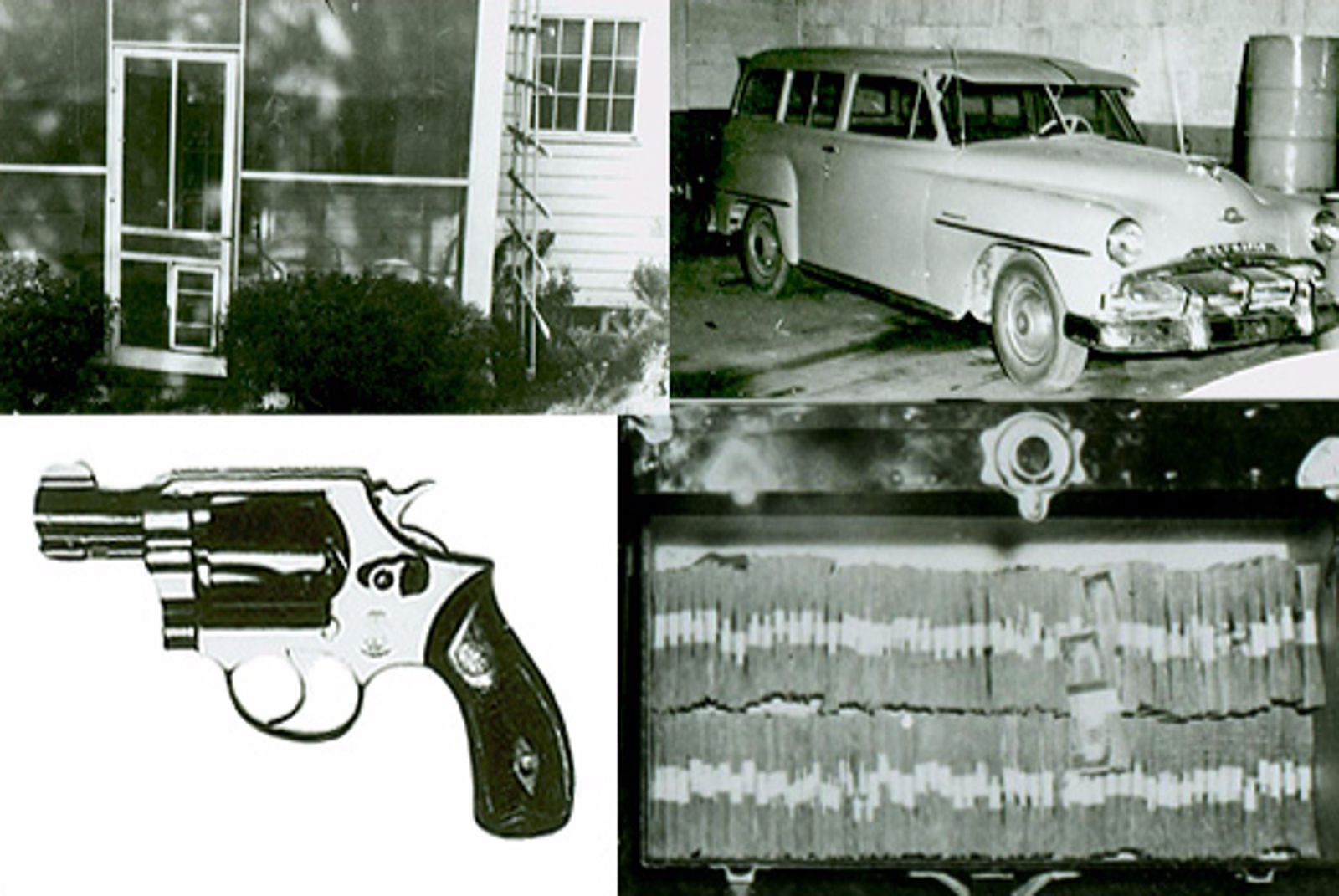
The Greenlease investigation is often summarized through the extraordinary ransom and the speed of the executions. The central fact is that a child was removed from a trusted school setting through a fabricated emergency and killed almost immediately. The FBI files document the vehicle, ransom notes, grave and interstate search. Kansas City archives preserve contemporary reporting and family context. The case influenced school-release procedures and remains a warning about how ordinary institutional trust can be exploited through a convincing claim of family authority.
Reader comments.
Keep it respectful and relevant to the report. No personal information, harassment or unsupported accusations. Comments are readers’ views.
Loading your sign-in status…