The Boston Marathon Bombing
Two bombs detonated near the Boston Marathon finish line on April 15, 2013, killing three people and injuring hundreds. A public release of surveillance images led to the identification and pursuit of brothers Tamerlan and Dzhokhar Tsarnaev.
- Period
- 2013
- Location
- Boston and Watertown, Massachusetts
- Case status
- Dzhokhar Tsarnaev convicted; death sentence reinstated after appellate review
Two explosions near the finish line
On April 15, 2013, two pressure-cooker bombs detonated seconds apart near the Boston Marathon finish line. Krystle Campbell, Lingzi Lu and eight-year-old Martin Richard were killed. Hundreds of people were injured, many by fragments packed into the devices. Medical personnel, spectators and police turned the race area into an emergency treatment zone while bomb technicians and evidence teams began securing a large urban crime scene.
Digital evidence and public identification
Investigators collected surveillance video, still photographs and material submitted by spectators. Analysts identified two men carrying backpacks near the blast locations and tracked their movement through multiple cameras. On April 18, the FBI released images of the unidentified suspects and asked for public help. The release produced information that helped identify them as brothers Tamerlan and Dzhokhar Tsarnaev.
The murder of Officer Sean Collier
That evening, Massachusetts Institute of Technology Police Officer Sean Collier was shot and killed in his patrol vehicle. Prosecutors established that the brothers attempted to take his service weapon. They then carjacked a vehicle and forced its driver to travel with them. The driver escaped at a gas station, and location information associated with the vehicle helped police follow the suspects toward Watertown.
Watertown confrontation and arrest
In Watertown, the brothers exchanged gunfire with police and threw explosive devices. Tamerlan Tsarnaev was wounded and later died after Dzhokhar drove the carjacked vehicle through the scene. A large search followed. The next evening, a resident discovered Dzhokhar hiding in a covered boat behind a home. Police arrested him after a standoff, ending the immediate manhunt.
Federal prosecution
A federal grand jury charged Dzhokhar Tsarnaev with terrorism and murder offenses. At trial, his lawyers acknowledged his participation but argued that Tamerlan had exerted dominant influence. Prosecutors presented surveillance, forensic and digital evidence and testimony from victims and investigators. The jury convicted Dzhokhar on all 30 counts in 2015 and imposed a death sentence on capital counts.
Appeals and remembrance
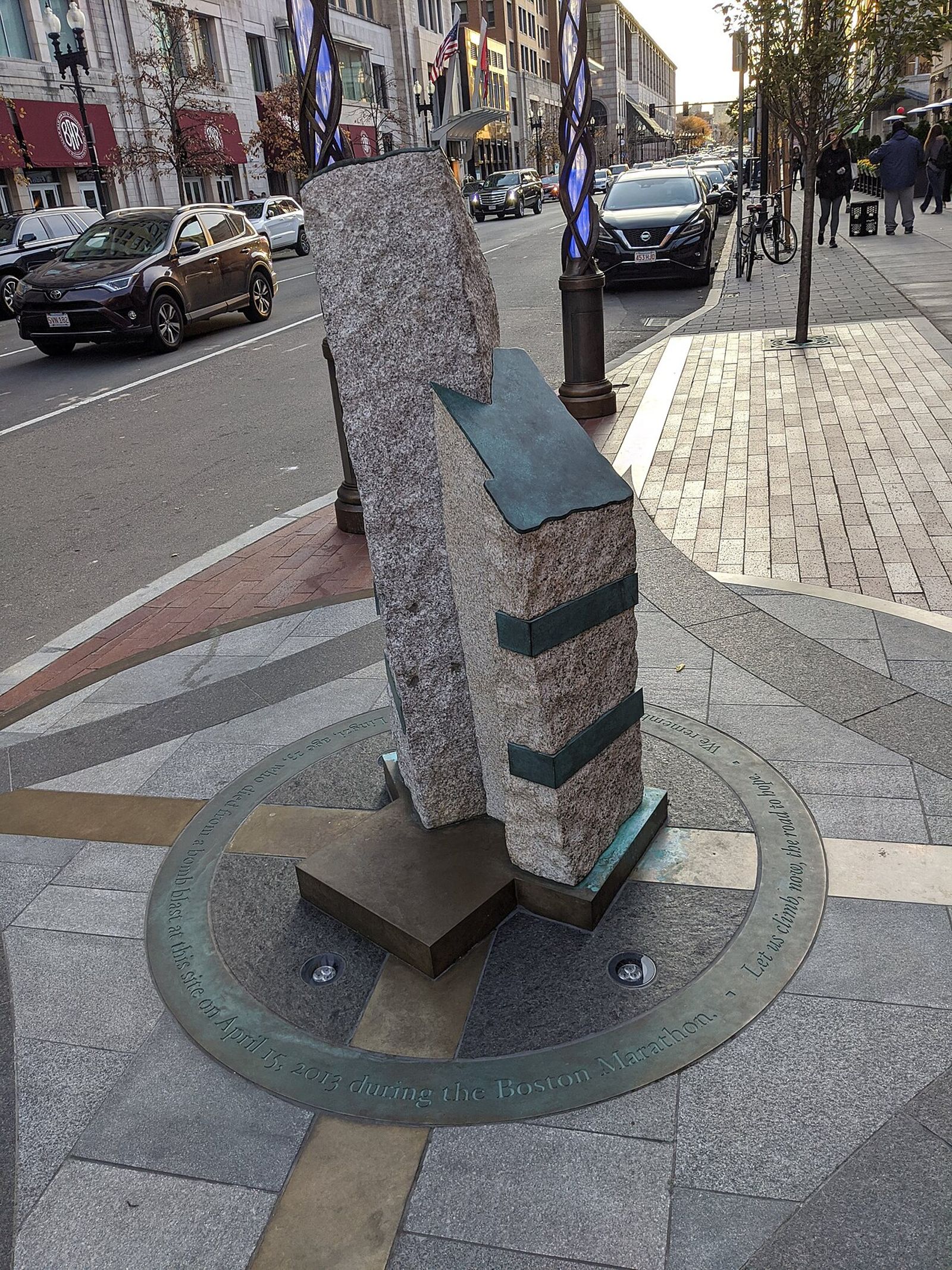
A federal appeals court vacated the death sentences while leaving the convictions intact, but the United States Supreme Court reinstated the capital punishment judgment in 2022. Further post-conviction litigation has continued. Memorials on Boylston Street honor the people killed, and annual commemorations recognize survivors and responders. The FBI’s case history also records the enormous evidence-processing effort that followed an attack witnessed and photographed by thousands.
What the surviving record establishes
The FBI’s public case history describes the investigation and evidence processing, while Justice Department records document the federal prosecution. The brothers’ roles were considered separately: Tamerlan died before trial, and Dzhokhar’s guilt and sentence were adjudicated in court. Later appellate rulings addressed jury selection and capital sentencing without undoing the jury’s findings on the thirty federal counts. The record also separates the three marathon deaths from Officer Sean Collier’s later murder and from injuries sustained during the Watertown confrontation. Each episode formed part of the charged federal course of conduct.
Reader comments.
Keep it respectful and relevant to the report. No personal information, harassment or unsupported accusations. Comments are readers’ views.
Loading your sign-in status…