The Colonial Parkway Murders
Eight young people were killed or disappeared in four paired cases near Virginia’s Colonial Parkway and surrounding roads between 1986 and 1989.
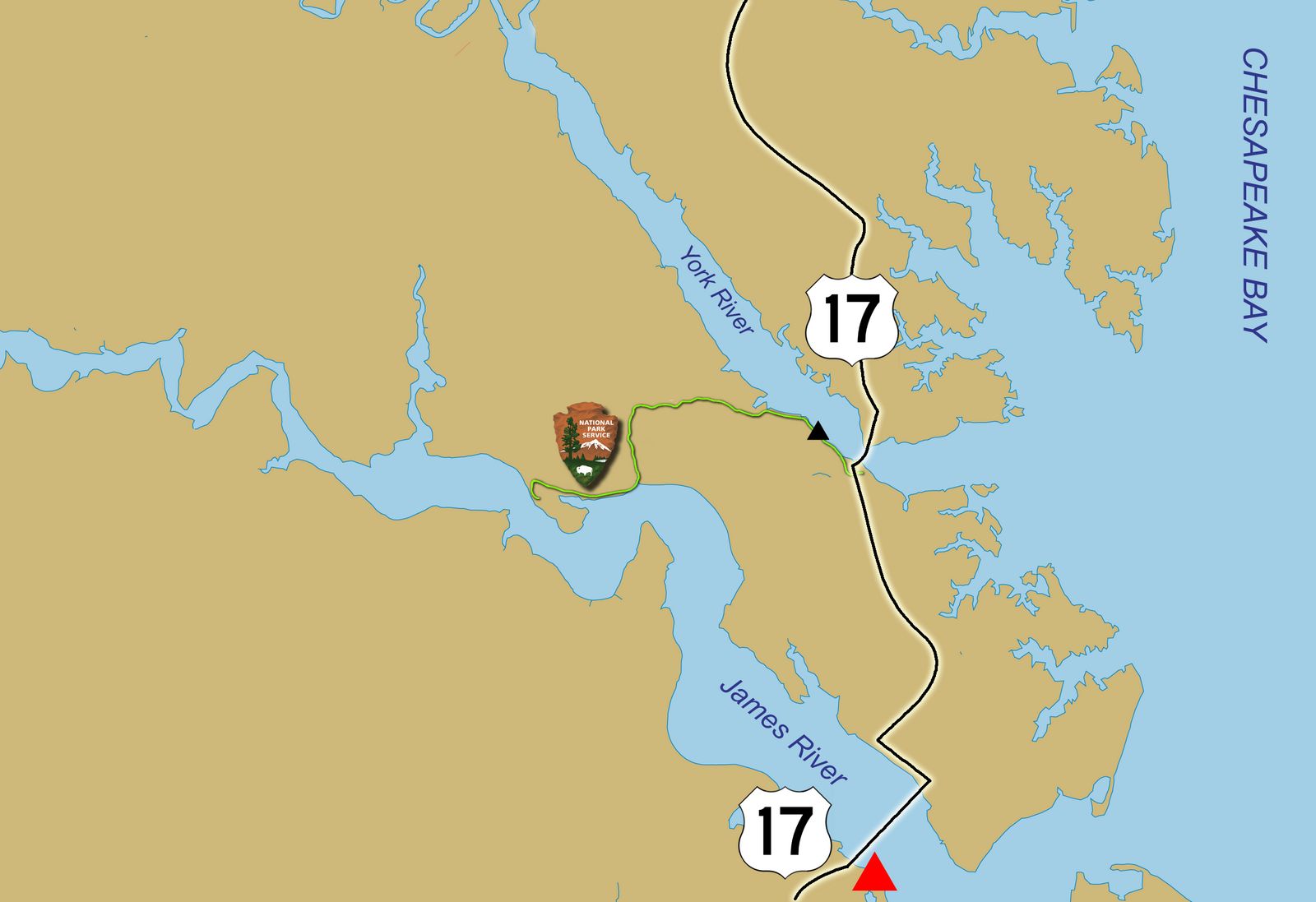
- Period
- 1986–1989
- Location
- Virginia Tidewater region
- Case status
- Two 1986 murders attributed to Alan Wade Wilmer Sr.; related cases remain under investigation
Four pairs across three years
The cases grouped under the Colonial Parkway name began with the October 1986 murders of Cathleen Thomas and Rebecca Dowski, found in a car off the parkway. David Knobling and Robin Edwards were found dead near the Ragged Island Wildlife Refuge in 1987. Richard Call and Cassandra Hailey disappeared in 1988 after their vehicle was found at a parkway overlook. Daniel Lauer and Ann Phelps were found dead near Interstate 64 in 1989. Similarities encouraged a linked-case theory, but jurisdiction and evidence differed across incidents.
A vast investigation without an arrest
The FBI led the cases occurring on federal parkway property, while Virginia State Police and local agencies handled the others. Investigators generated thousands of reports, interviewed possible suspects and submitted clothing, blood, hair and fibres for laboratory review. The FBI emphasized that similarities alone did not prove one offender committed every crime. That caution remains essential: “Colonial Parkway murders” is a practical label for a suspected series, not a judicial finding that all eight cases share a perpetrator.
DNA narrowed one part of the mystery
Advances in forensic testing allowed investigators to revisit biological evidence that earlier methods could not fully exploit. In 2026, the FBI identified Alan Wade Wilmer Sr. as the person responsible for the murders of Thomas and Dowski. Wilmer had died in 2017, so he could not be prosecuted. Federal prosecutors said the developed evidence would have supported charges had he been alive. Officials also connected him to additional Virginia killings, while stopping short of declaring every parkway-associated case solved.
What remains unresolved
The announcement supplied an answer in the first pair of killings but did not close the entire series. Call and Hailey have never been found, and the evidentiary status of the other paired cases varies. Investigators continue to seek information and to compare Wilmer’s history with unsolved crimes. A responsible account therefore avoids collapsing a partial resolution into a complete one. Families in several cases still lack the finality that a named suspect or prosecution might provide.
A model for long-term evidence review
The investigation demonstrates why agencies retain and periodically retest evidence in cold cases. A sample that cannot identify a suspect in one technological era may become decisive later, particularly when paired with genealogy, databases and renewed records analysis. It also shows the importance of precise public language: attribution after a suspect’s death is an investigative conclusion rather than a verdict. The strongest legacy of the case is the persistence of families and investigators, and the continuing obligation to separate what DNA now establishes from what remains only a theory. The surviving record must be read in layers: contemporaneous police work, evidence tested in court, later official review and retrospective commentary do not carry the same weight. This account gives priority to records and independently published sources, and it marks unresolved claims as unresolved rather than converting repetition into fact. That distinction is especially important in famous cases, where documentaries, social posts and anniversary coverage can make a disputed assertion appear settled. A responsible archive preserves dates, legal outcomes and source boundaries so that new evidence can be assessed without rewriting what earlier proceedings actually established.
Reader comments.
Keep it respectful and relevant to the report. No personal information, harassment or unsupported accusations. Comments are readers’ views.
Loading your sign-in status…