The Columbine High School Massacre
Two students murdered 12 classmates and a teacher at Columbine High School on April 20, 1999, before killing themselves. The attack prompted extensive investigation into planning, police response and persistent misinformation.
- Period
- 1999
- Location
- Jefferson County, Colorado
- Case status
- Both perpetrators died by suicide; official investigations completed
The attack begins outside the school
Shortly after 11 a.m. on April 20, 1999, students Eric Harris and Dylan Klebold began shooting outside Columbine High School. They entered the building and continued through hallways, classrooms and the library. Twelve students and teacher Dave Sanders were killed. More than twenty people were wounded. The attackers also placed explosive devices, including larger bombs that failed to detonate as intended.
The library killings
The largest number of deaths occurred in the school library, where students had hidden beneath tables and in adjoining spaces. Harris and Klebold fired at students, made threats and moved through the room before leaving. They later returned to the library and died by suicide. Survivors’ statements and physical evidence allowed investigators to reconstruct the sequence, although the trauma and overlapping reports initially produced errors in public accounts.
Planning documented in records
Investigators recovered journals, videos, computer material and weapons-related evidence showing that the attack had been planned over time. The pair obtained firearms through older acquaintances and constructed numerous explosive devices. Their writings contained anger, fantasies of violence and expectations of a larger bombing. The failure of the main cafeteria bombs changed the scale and form of the attack but did not reduce the criminal responsibility reflected in the preparations.
Police response under scrutiny
Officers initially followed tactics that emphasized containing an armed situation and organizing specialized entry. Sanders and other wounded people waited for rescue while teams searched the large building. The response became a major subject of official review and contributed to a shift toward rapid deployment by patrol officers during active attacks. Communications, uncertain reports of additional shooters and concern about explosives complicated the operation.
No evidence for several early claims
Early coverage often described the attackers as members of a group called the Trench Coat Mafia and presented bullying or a targeted campaign against specific social groups as a complete explanation. Later investigative records did not support those simplified accounts. The attack involved two perpetrators acting together, not a larger team of gunmen. Careful use of the official record remains important because repeated myths can displace the documented experiences of victims and survivors.
Investigation, memorial and continuing study
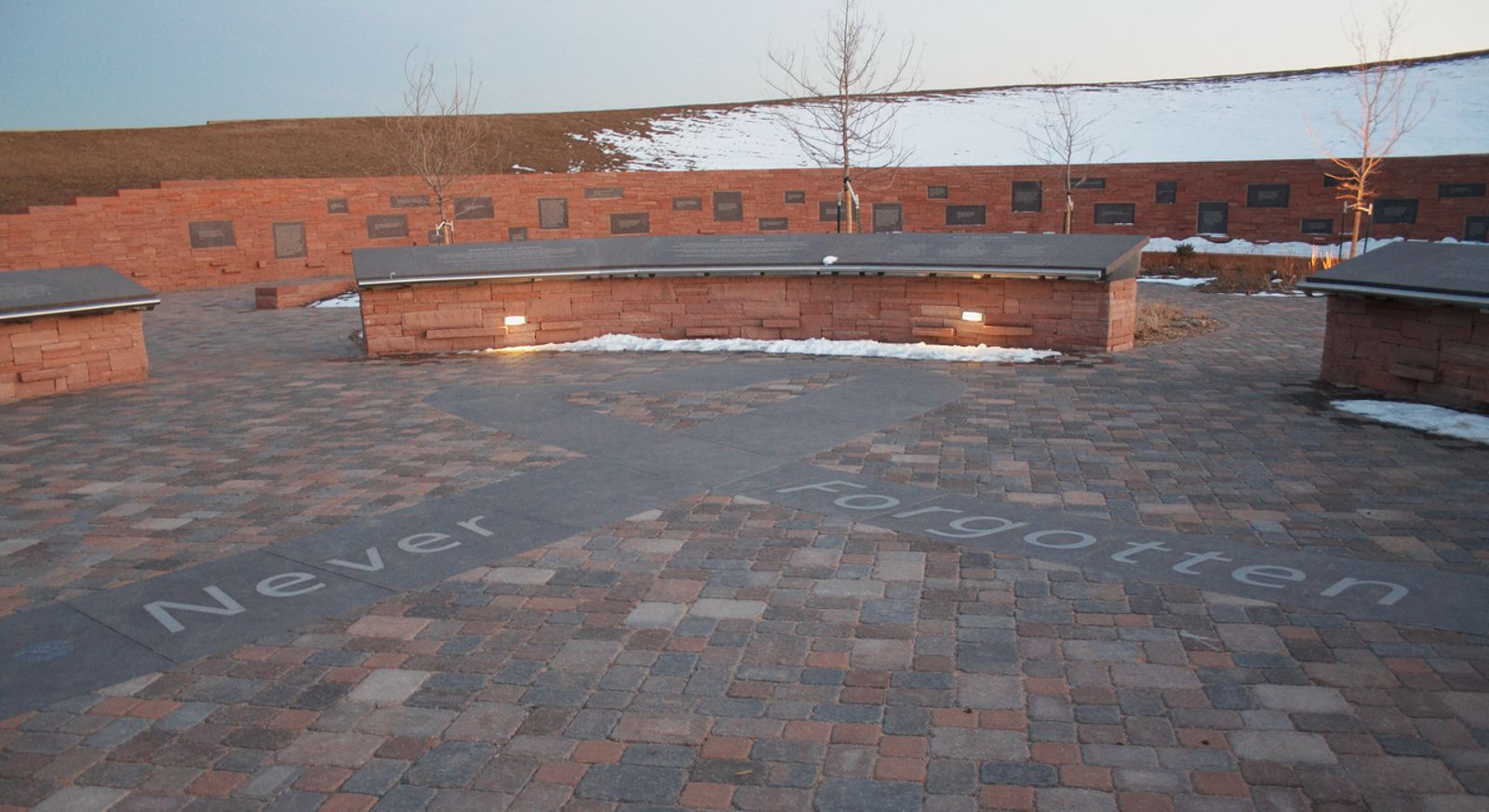
Jefferson County released extensive reports and evidence, while the FBI assisted with threats, interviews and physical evidence. The school library was removed and replaced, and a memorial opened in Clement Park. Families pursued litigation and public-record access that expanded the available archive. Columbine continues to be studied in relation to threat assessment, emergency response and media conduct, but the historical record begins with the 13 people killed and the community that survived.
What the surviving record establishes
The FBI Vault preserves federal investigative material, but Jefferson County agencies led the principal inquiry. The released files and later historical synthesis correct early statements made amid confusion at the school. Claims about additional gunmen, a simple social-group motive or a single triggering grievance are not supported by the complete record and should not be repeated as established fact.
Reader comments.
Keep it respectful and relevant to the report. No personal information, harassment or unsupported accusations. Comments are readers’ views.
Loading your sign-in status…