The Hardware Store Receipt: How Police Uncovered Ed Gein’s Crimes
The disappearance of Bernice Worden in 1957 led Wisconsin investigators to Ed Gein’s farmhouse and evidence connecting him to two murders and grave robbery.
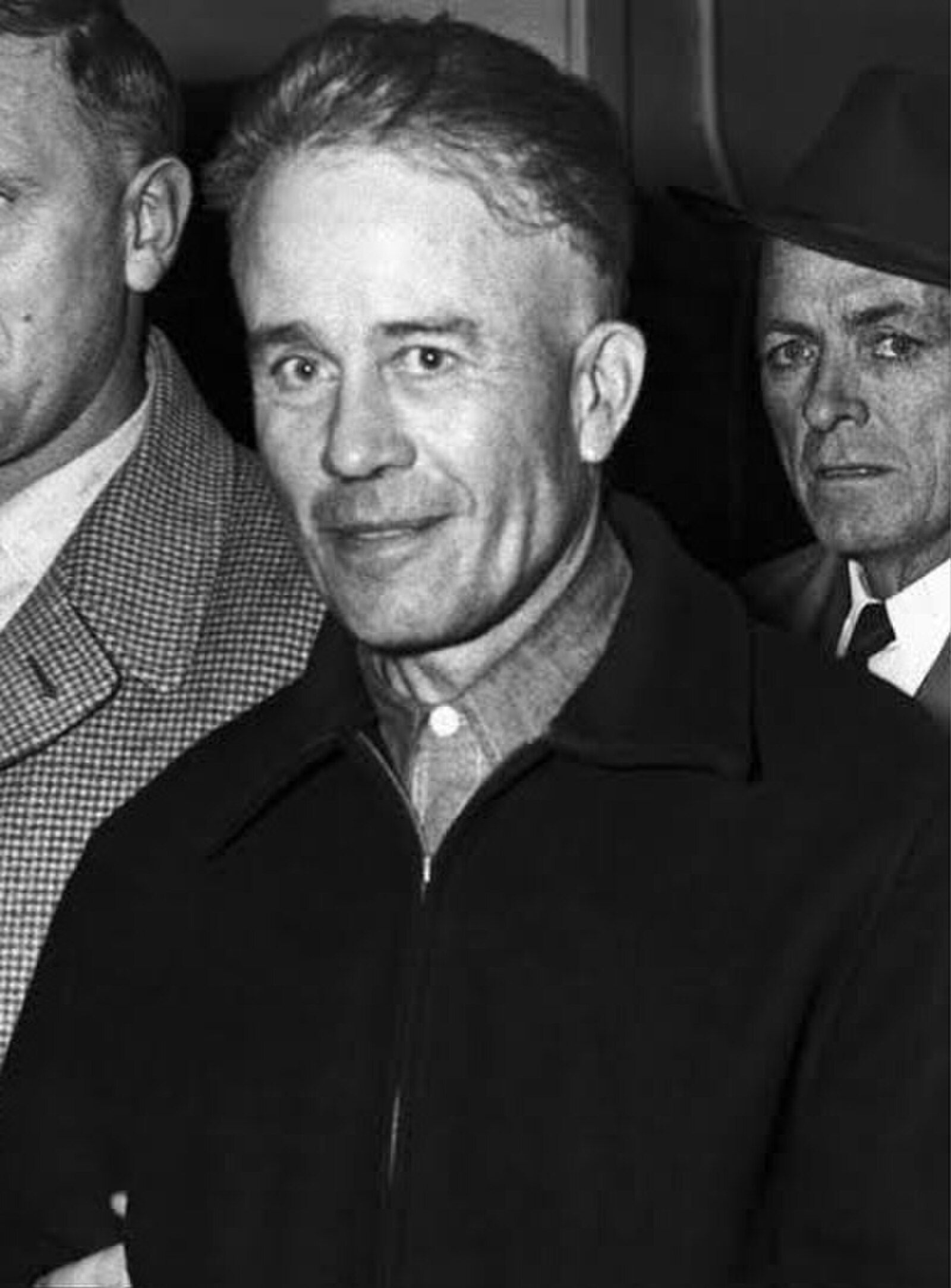
- Period
- 1957
- Location
- Plainfield, Wisconsin
- Case status
- Convicted of Bernice Worden’s murder; committed to a state hospital
Bernice Worden disappears from her store
On November 16, 1957, Bernice Worden vanished from the Plainfield hardware store she operated. Her son, deputy sheriff Frank Worden, found blood on the floor and reviewed the day’s sales records. The final receipt listed antifreeze purchased by local resident Edward Gein. Worden knew Gein and recalled that he had been in the store shortly before the disappearance. Officers went to Gein’s rural property that evening. What began as a missing-person inquiry immediately became a homicide investigation when they found Worden’s body in an outbuilding.
The farmhouse contained evidence from graves
A search of the house uncovered objects made from human remains and body parts kept in containers. Investigators determined that many came from bodies Gein had removed from local cemeteries. He described visiting graveyards at night and selecting recently buried women. Authorities compared his account with disturbed graves and recovered evidence. The findings produced sensational claims far beyond the verified record. Police established grave robbery on a large scale, but they did not prove that every item represented a person Gein had killed.
Two murders were connected to Gein
Gein admitted killing Worden and tavern owner Mary Hogan, who had disappeared in 1954. Evidence from Hogan was found at the property. Investigators examined other disappearances but did not establish additional murders. That boundary is important because popular culture often presents Gein as a prolific serial killer. The documented case supports two known homicide victims, together with extensive desecration of graves. His statements about the shootings and the physical evidence supplied the basis for prosecution, while other suspicions remained uncharged.
Competency delayed the criminal proceedings
Doctors found Gein mentally incompetent to stand trial in early 1958, and he was committed to Central State Hospital. He remained in state custody while receiving treatment and was not brought to trial for more than a decade. In 1968, a court found him competent. He waived a jury, and the proceeding focused on Worden’s murder. The long delay did not dismiss the charge; it reflected the legal requirement that a defendant understand the proceedings and be able to assist counsel before a criminal trial can continue.
Conviction followed by an insanity finding
A judge found Gein guilty of first-degree murder for killing Worden. In the second phase of the trial, the court determined that he had been legally insane at the time of the crime. He was therefore committed to a state mental hospital rather than sent to an ordinary prison. Gein remained institutionalized until his death from cancer in 1984. The outcome was not an acquittal: the court found that he committed the murder, then applied Wisconsin law concerning criminal responsibility and mental illness.
Fiction changed the public memory
Elements of the case influenced fictional characters in novels and films, but those stories combined invention with selected details from Gein’s property. They should not be treated as biographical accounts. Wisconsin Historical Society photographs and court records show a real investigation initiated by a missing shopkeeper, not the mythology later built around a remote farmhouse. The victims—Bernice Worden and Mary Hogan—are frequently overshadowed by objects found in the search. A factual history restores the limits of the proven crimes and the legal process that followed.
Reader comments.
Keep it respectful and relevant to the report. No personal information, harassment or unsupported accusations. Comments are readers’ views.
Loading your sign-in status…