The Golden State Killer Investigation
A series of burglaries, sexual assaults and murders across California remained unresolved for decades. Investigative genetic genealogy identified former police officer Joseph DeAngelo, who pleaded guilty in 2020.
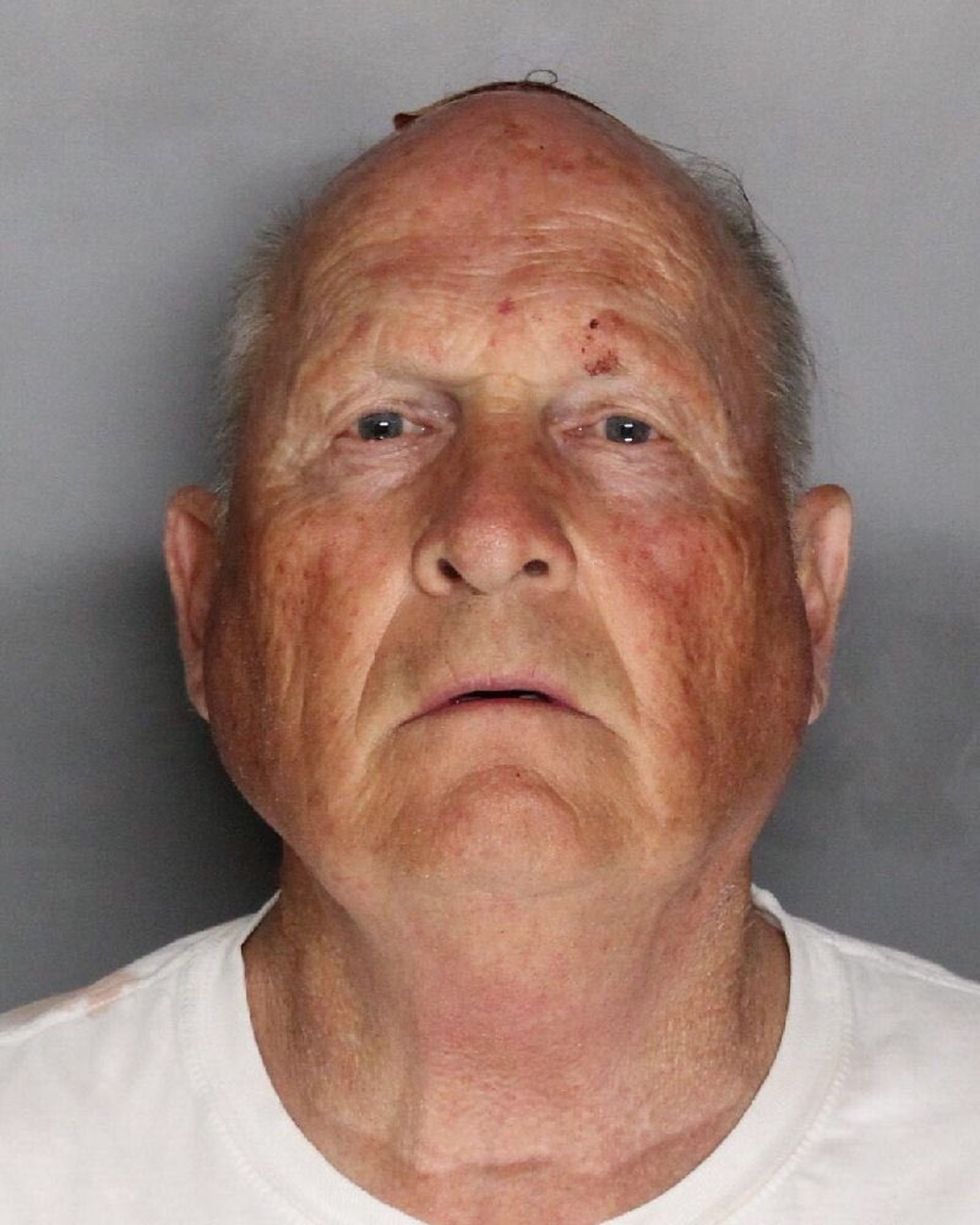
- Period
- 1975–2020
- Location
- California
- Case status
- Joseph DeAngelo pleaded guilty to 13 murders and 13 kidnapping counts and received life without parole
Crimes across multiple jurisdictions
Beginning in the 1970s, communities in northern and southern California experienced burglaries, sexual assaults and murders attributed at different times to the Visalia Ransacker, East Area Rapist and Original Night Stalker. The varying names reflected investigations conducted in separate jurisdictions before authorities understood the full pattern. Victims described an offender who entered homes, controlled occupants and often spent extensive time at scenes.
Escalation to murder
The crimes escalated from prowling and burglary to sexual assault and homicide. Prosecutors ultimately charged DeAngelo with 13 murders committed between 1975 and 1986. The victims included Claude Snelling; Katie and Brian Maggiore; Charlene and Lyman Smith; Keith and Patrice Harrington; Manuela Witthuhn; Cheri Domingo and Greg Sanchez; Debra Manning and Robert Offerman; and Janelle Cruz. Many other offenses could no longer be charged because limitations periods had expired.
Evidence preserved through decades
Investigators retained biological evidence from crime scenes and gradually used DNA to connect attacks previously treated as separate series. A statewide task force and renewed public attention brought agencies together. Traditional suspect reviews did not identify the offender, but the DNA profile remained available for comparison as laboratory and database tools advanced. The preserved material became the foundation for a new investigative approach in 2018.
Investigative genetic genealogy
Investigators uploaded a crime-scene genetic profile to a genealogy service that permitted law-enforcement comparison. Researchers built family trees from distant relatives and narrowed the possibilities using age, location and other records. DeAngelo, a former police officer, emerged as a candidate. Detectives collected discarded items associated with him and reported that DNA from those items matched crime-scene evidence.
Arrest and negotiated pleas
Police arrested DeAngelo in April 2018. A multi-county prosecution assembled charges covering crimes committed across California. In June 2020, he pleaded guilty to 13 counts of first-degree murder and 13 counts of kidnapping to commit robbery. He also admitted dozens of uncharged crimes as part of the agreement. Prosecutors withdrew the death penalty in exchange for the pleas and admissions.
Victim statements and sentence
During sentencing proceedings, survivors and relatives described decades of harm and the consequences of the attacks. In August 2020, the court imposed consecutive life terms without parole plus additional punishment for kidnapping and weapon enhancements. The prosecution’s public record includes the factual basis, charging documents and victim-impact material. The case remains central to debates over the responsible use of genetic genealogy in criminal investigations.
What the surviving record establishes
The joint prosecution’s materials identify the charged murders, admitted uncharged conduct and negotiated terms. Investigative genetic genealogy supplied a lead, but prosecutors still relied on confirmatory DNA and the wider evidentiary record. The case did not establish that a genealogy match alone is proof. DeAngelo’s guilty pleas and admissions provided the legal resolution after identification and arrest. Because many older sexual assaults were outside the limitations period, the sentencing record includes admissions to conduct that could no longer support separate charges.
Reader comments.
Keep it respectful and relevant to the report. No personal information, harassment or unsupported accusations. Comments are readers’ views.
Loading your sign-in status…