The Grim Sleeper Murders
Lonnie Franklin Jr. was convicted of murdering nine women and one teenage girl in Los Angeles across more than two decades, after familial DNA led investigators to him.
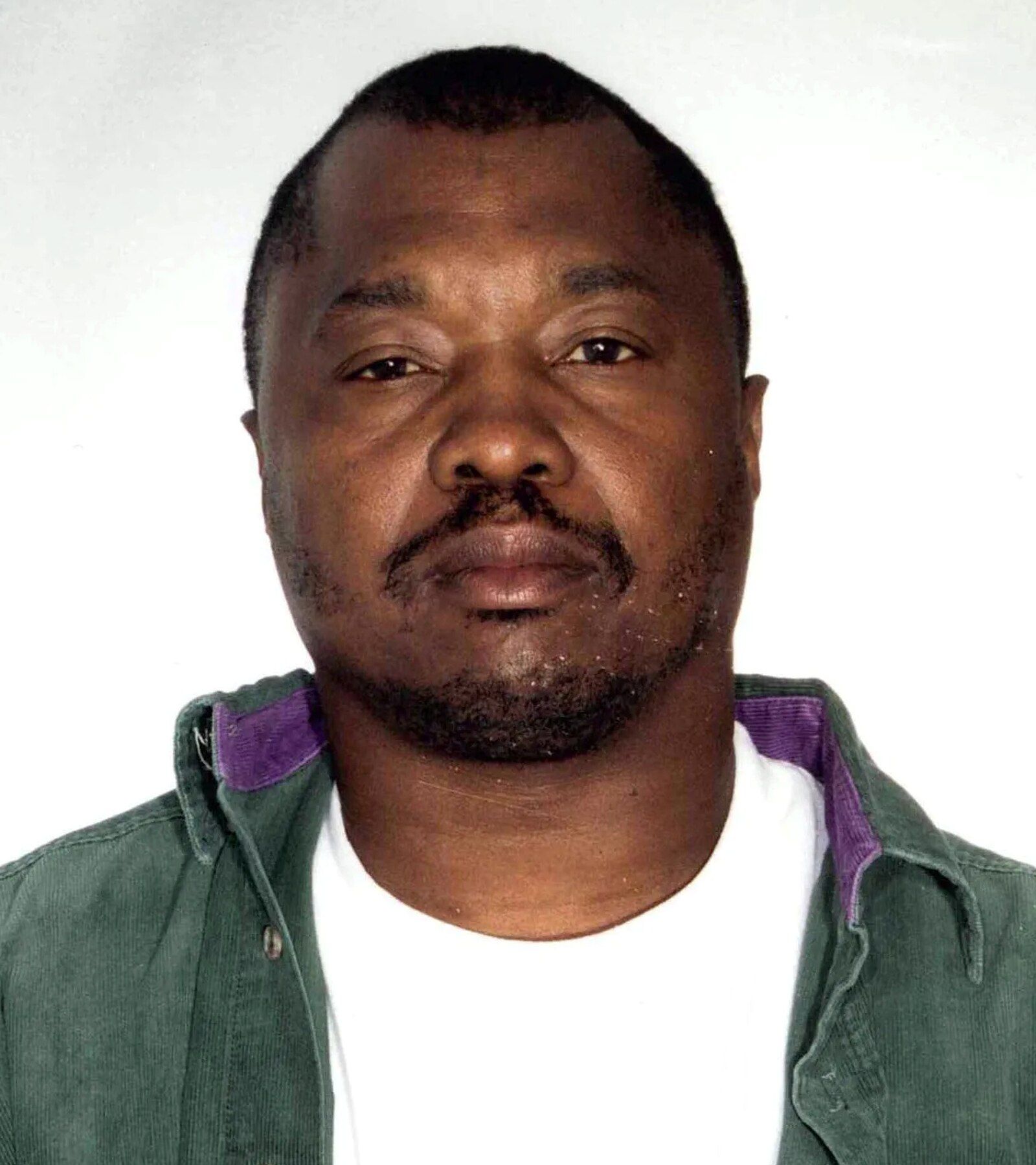
- Period
- 1985–2007
- Location
- Los Angeles, California
- Case status
- Solved; Lonnie Franklin Jr. convicted of 10 murders
A series in South Los Angeles
Women were found shot or strangled in alleys and discarded locations across South Los Angeles beginning in the 1980s. Many victims were Black women living with poverty, addiction or sex-work exposure. Investigators linked some cases through ballistic evidence and biological material, but years passed without an arrest. The nickname “Grim Sleeper” arose from an apparent gap in known crimes, although later evidence challenged the idea that the offender had truly stopped.
Families pressed for attention
Relatives and community advocates argued that the murders did not receive the urgency afforded to victims from wealthier or whiter communities. That criticism forms an important part of the case history because delayed linkage and limited public visibility affected confidence in the investigation. Police eventually created a task force and offered rewards, while publishing photographs of unidentified women recovered from Franklin’s property after his arrest. The images raised fears that the documented victims might not represent the full series.
Familial DNA pointed toward Franklin
A direct search of California’s offender database did not initially produce a match. A familial search, which looks for close genetic relatives, identified similarities to Franklin’s son, whose DNA was in the system. Investigators then collected discarded material from Franklin and obtained a direct match to crime-scene evidence. The method generated a lead rather than a conviction by itself; detectives combined it with ballistics, photographs and other evidence before arresting Franklin in 2010.
Trial and death sentence
A jury convicted Franklin in 2016 of ten murders and one attempted murder. Prosecutors also presented evidence concerning additional women to support their account of a wider pattern, though a conviction attaches only to the charged counts proved at trial. The court sentenced him to death. Franklin died in prison in 2020 before the sentence was carried out. His death ended further prosecution of him, but investigators continued reviewing evidence and unidentified photographs.
Technology and institutional responsibility
Familial DNA was crucial, but celebrating the technology alone would miss the institutional lesson. Forensic tools deliver results only when evidence is collected, retained, tested and connected to cases that agencies continue to prioritize. The victims were not interchangeable elements of a serial-killer story. Each had relatives and a life beyond the circumstances in which she was found. The case endures as both a scientific breakthrough and an indictment of disparities that allowed a suspected pattern of killings to remain unresolved for so long. The surviving record must be read in layers: contemporaneous police work, evidence tested in court, later official review and retrospective commentary do not carry the same weight. This account gives priority to records and independently published sources, and it marks unresolved claims as unresolved rather than converting repetition into fact. That distinction is especially important in famous cases, where documentaries, social posts and anniversary coverage can make a disputed assertion appear settled. A responsible archive preserves dates, legal outcomes and source boundaries so that new evidence can be assessed without rewriting what earlier proceedings actually established.
Reader comments.
Keep it respectful and relevant to the report. No personal information, harassment or unsupported accusations. Comments are readers’ views.
Loading your sign-in status…