The Hillside Strangler Murders
A series of women and girls were abducted, assaulted and murdered around Los Angeles in 1977 and 1978. Investigators eventually identified cousins Kenneth Bianchi and Angelo Buono.
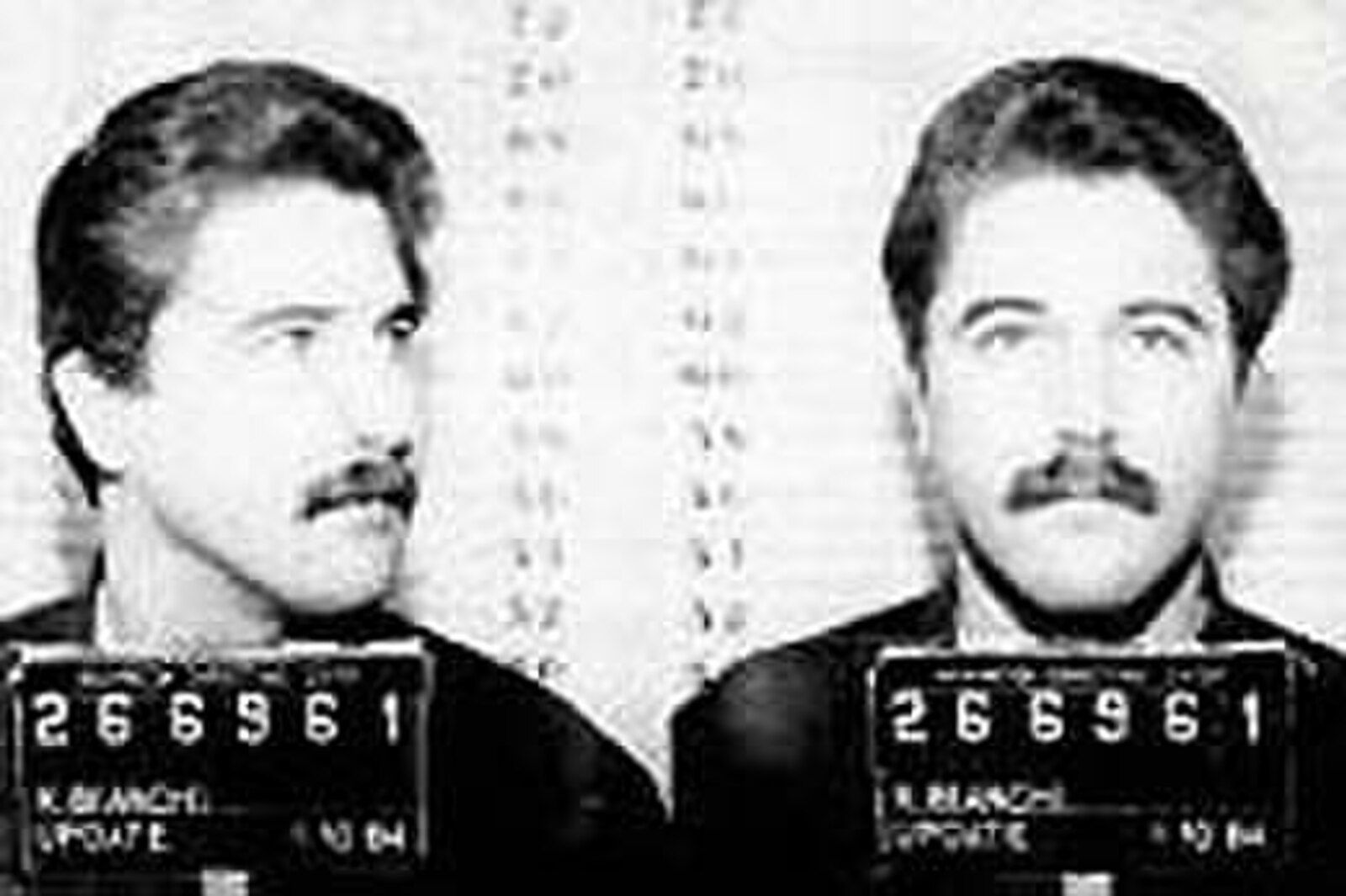
- Period
- 1977–1978
- Location
- Los Angeles, California
- Case status
- Solved; Kenneth Bianchi and Angelo Buono convicted
Bodies on Los Angeles hillsides
Beginning in 1977, the bodies of women and girls were found on hillsides around Los Angeles. Many had been sexually assaulted and strangled, and some appeared to have been killed elsewhere before being transported. Police formed a task force as similarities accumulated. The press used the singular name “Hillside Strangler,” which reflected the early belief that one man was responsible. In fact, investigators later concluded that cousins Kenneth Bianchi and Angelo Buono committed the core series together.
A separate murder opened the case
Bianchi moved to Bellingham, Washington, where two young women were murdered in January 1979. Police attention turned toward him through his connection to the victims and inconsistencies in his account. After his arrest, investigators compared his background and movements with the Los Angeles cases. Bianchi eventually implicated Buono and offered information about the California murders. His statements required careful corroboration because he had strong incentives to reduce his own exposure.
The multiple-personality claim
Bianchi claimed that an alternate personality named “Steve” committed the crimes. Experts evaluated him, and prosecutors challenged the performance as fabricated. The episode became widely discussed in forensic psychology because it illustrated how diagnostic claims can be used strategically and how evaluators test consistency, history and suggestibility. The criminal case did not turn on a dramatic label alone: investigators used scene evidence, victim links, property, statements and independent details to build the prosecutions.
Pleas, testimony and convictions
Bianchi pleaded guilty in Washington and California and agreed to testify against Buono. Buono’s trial became one of the longest criminal proceedings in California history. A judge initially questioned whether the case should proceed, but a different prosecution team took it forward. Buono was convicted of multiple murders and sentenced to life imprisonment. Bianchi also received life sentences. Their legal outcomes established that the supposed single “Strangler” was a partnership.
The cost of a collective nickname
The label helped the public recognize a pattern, yet it can blur the identities of the victims and the distinctions among offenses. Several deaths were once discussed with the series even though attribution was uncertain. Historical reporting should therefore avoid treating every Los Angeles strangulation from the period as judicially linked to Bianchi and Buono. The case’s lasting lessons are more precise: coordinated crime can mislead profiling, informant testimony demands corroboration, and psychological evidence must be tested against the complete record rather than accepted for its theatrical appeal. The surviving record must be read in layers: contemporaneous police work, evidence tested in court, later official review and retrospective commentary do not carry the same weight. This account gives priority to records and independently published sources, and it marks unresolved claims as unresolved rather than converting repetition into fact. That distinction is especially important in famous cases, where documentaries, social posts and anniversary coverage can make a disputed assertion appear settled. A responsible archive preserves dates, legal outcomes and source boundaries so that new evidence can be assessed without rewriting what earlier proceedings actually established.
Reader comments.
Keep it respectful and relevant to the report. No personal information, harassment or unsupported accusations. Comments are readers’ views.
Loading your sign-in status…