The Murder of Laci Peterson
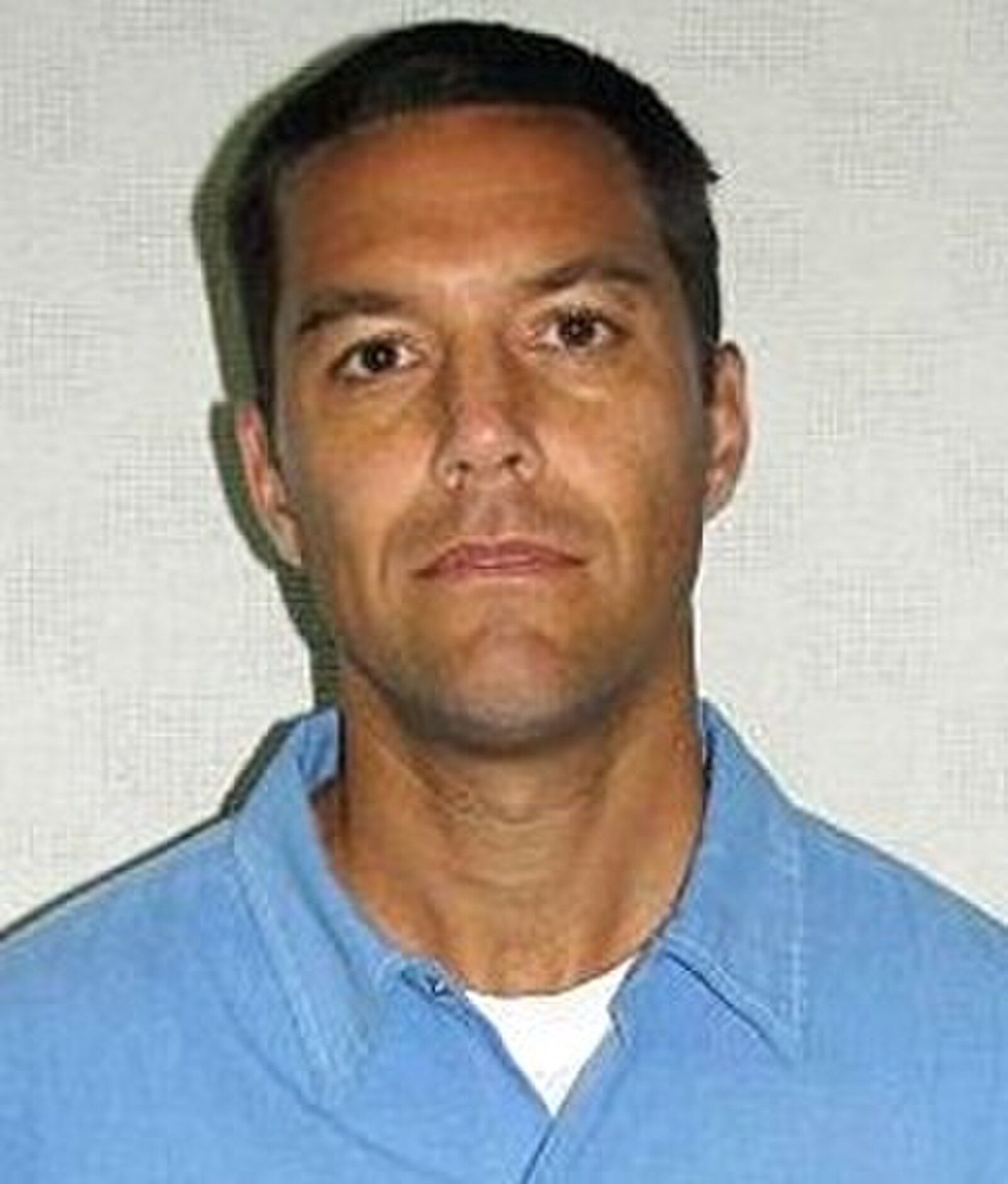
Pregnant teacher Laci Peterson disappeared from her Modesto home on Christmas Eve 2002. Her husband, Scott Peterson, was convicted after her body and their unborn son were recovered near San Francisco Bay.
- Period
- 2002
- Location
- Modesto, California
- Case status
- Solved; Scott Peterson convicted of murder
A Christmas Eve disappearance
Laci Peterson, eight months pregnant, was reported missing from Modesto on December 24, 2002. Her husband, Scott, said he had gone fishing at the Berkeley Marina while she planned to walk the dog and prepare for the holiday. Police and volunteers organized extensive searches. The investigation drew national attention, but detectives still had to establish whether Laci had left voluntarily, suffered an accident or been harmed. Contradictions in Scott’s statements and the revelation of an affair increased scrutiny without by themselves proving murder.
The bay connected the timeline
In April 2003, the remains of Laci and her unborn son, Conner, washed ashore near Richmond, not far from the area where Scott said he had launched his boat. The location became a central element of the prosecution’s circumstantial case. Investigators also examined computer searches, purchases, movements, telephone calls and statements to family and to Amber Frey, the woman with whom Scott had been having an affair. No single item showed the killing; the state argued that the combined pattern excluded an innocent explanation.
Arrest and trial
Police arrested Scott near San Diego after the remains were identified. At trial, prosecutors argued that he killed Laci to escape family responsibilities and disposed of her body in the bay. The defense challenged the timeline and suggested someone else abducted her. Jurors convicted Scott in 2004 of first-degree murder for Laci’s death and second-degree murder for Conner’s. The verdict demonstrated how a homicide case can be proved through a cumulative circumstantial record even without an eyewitness or identified crime scene.
Sentence changed, conviction remained
Scott initially received a death sentence. In 2020, the California Supreme Court upheld the convictions but overturned the death sentence because the jury-selection process improperly excluded prospective jurors based on their views about capital punishment. He was resentenced in 2021 to life without parole. Later litigation has pursued additional testing and claims of juror misconduct. Unless a court sets aside the verdict, those proceedings are challenges to a standing conviction, not proof that it has been invalidated.
Media pressure and legal precision
Television coverage made the case familiar worldwide, but constant exposure can encourage certainty before evidence is tested. The proper historical sequence is slower: disappearance, recovered remains, investigation, adversarial trial, verdict, appeal and resentencing. Laci and Conner were the victims, not devices in a celebrity courtroom drama. The case’s continuing legal disputes deserve reporting, but each claim must be attributed and placed in procedural context. A new motion is not a new verdict, and sentencing relief is not the same as exoneration. The surviving record must be read in layers: contemporaneous police work, evidence tested in court, later official review and retrospective commentary do not carry the same weight. This account gives priority to records and independently published sources, and it marks unresolved claims as unresolved rather than converting repetition into fact. That distinction is especially important in famous cases, where documentaries, social posts and anniversary coverage can make a disputed assertion appear settled. A responsible archive preserves dates, legal outcomes and source boundaries so that new evidence can be assessed without rewriting what earlier proceedings actually established.
Reader comments.
Keep it respectful and relevant to the report. No personal information, harassment or unsupported accusations. Comments are readers’ views.
Loading your sign-in status…