A Factory Murder, a Contested Trial and the Lynching of Leo Frank
Thirteen-year-old factory worker Mary Phagan was murdered in Atlanta in 1913. Manager Leo Frank was convicted, but doubts about the trial led Georgia’s governor to commute his death sentence.
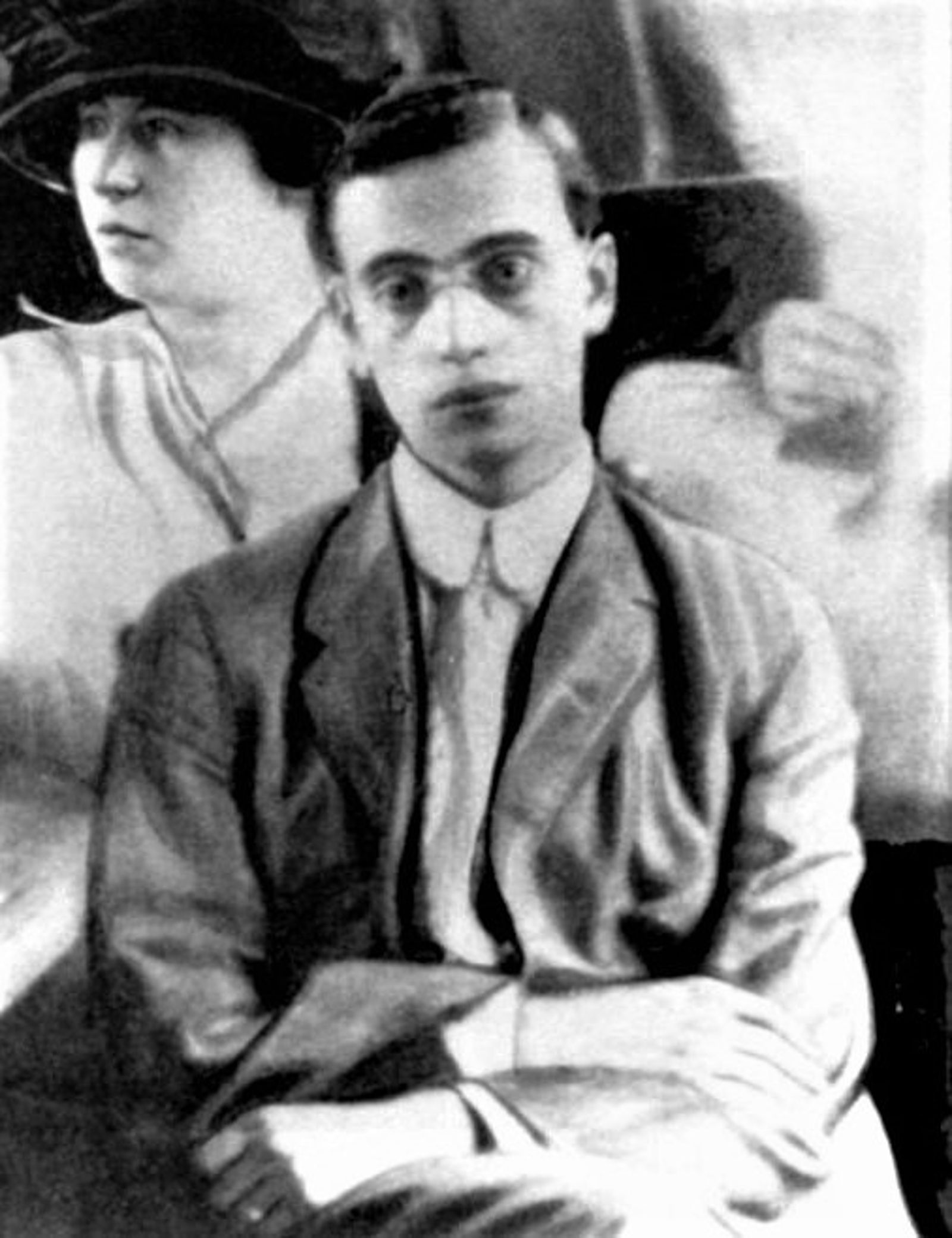
- Period
- 1913–1915
- Location
- Atlanta and Marietta, Georgia
- Case status
- Leo Frank convicted, sentence commuted, then lynched; case remains historically disputed
Mary Phagan is found inside the factory
On April 26, 1913, 13-year-old Mary Phagan went to Atlanta’s National Pencil Company to collect wages. Her body was found early the next morning in the factory basement by night watchman Newt Lee. Investigators examined employees and people seen near the building. The discovery occurred in a city already divided by class, race, religion and rapid industrial change. Press coverage became intense before police had established a coherent account of the killing, and public attention focused on factory superintendent Leo Frank.
Jim Conley becomes the central witness
Jim Conley, a Black factory sweeper, eventually testified that Frank had killed Phagan and ordered him to move her body. Conley gave several statements that changed in important details before the trial. Prosecutors argued that later versions reflected the truth emerging gradually; the defense said the changes showed fabrication and that Conley himself was responsible. Notes found near Phagan’s body, the operation of the factory lift and disputed timelines became important. The state’s case depended heavily on whether jurors believed Conley.
Conviction in a hostile atmosphere
Frank’s trial began in July 1913 and drew large crowds. The defense challenged Conley and presented testimony about Frank’s movements. Prosecutors attacked Frank’s character and offered a narrative of assault and murder. On August 25, the jury found him guilty. Frank was not in the courtroom when the verdict was announced because the judge and lawyers feared violence outside. He was sentenced to death. Appeals in state and federal courts did not overturn the conviction, though dissenting judges and public advocates questioned the proceedings.
Governor Slaton commutes the sentence
Georgia Governor John Slaton conducted an extensive review shortly before leaving office. In June 1915, he commuted Frank’s death sentence to life imprisonment, explaining that unresolved evidentiary concerns made execution improper. The decision did not vacate the conviction or declare Frank innocent. It triggered furious public reaction, and Slaton required protection. Frank was transferred to the state prison farm at Milledgeville, where another prisoner attacked and seriously wounded him in July.
Abduction and lynching
On August 16, 1915, a group of men abducted Frank from the prison farm. They drove him to Marietta, near Phagan’s home, and lynched him the following morning. Photographs of the scene circulated publicly. No participant was convicted for the kidnapping or killing. The mob’s organization and ability to remove a prisoner from state custody demonstrated institutional failure as well as private violence. The lynching helped energize the Anti-Defamation League and was also connected to the revival of the Ku Klux Klan.
A pardon that did not decide guilt
In 1986, the Georgia State Board of Pardons and Paroles granted Frank a posthumous pardon because the state had failed to protect him and had denied him the opportunity to pursue further legal remedies. The board did not resolve factual guilt or innocence. The distinction matters in a case often summarized too simply. Mary Phagan was murdered, Frank was convicted in a deeply contested trial, the governor commuted his sentence, and a mob prevented any later judicial review. Those are the established parts of a history still argued today.
Reader comments.
Keep it respectful and relevant to the report. No personal information, harassment or unsupported accusations. Comments are readers’ views.
Loading your sign-in status…