The Lindbergh Kidnapping
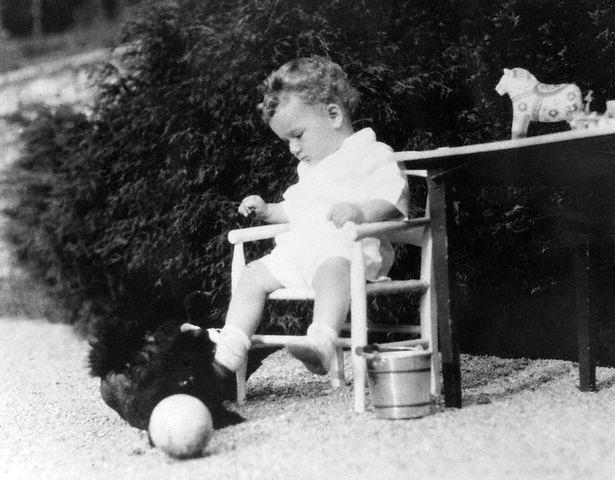
Twenty-month-old Charles Augustus Lindbergh Jr. was taken from his nursery on March 1, 1932. A ransom was paid, but the child was later found dead. A jury convicted Bruno Richard Hauptmann in 1935; he was executed the following year. That verdict remains the legal finding, despite decades of competing theories.
- Period
- 1932
- Location
- Hopewell, New Jersey
- Case status
- Conviction
A child missing from the nursery
On the evening of March 1, 1932, Charles and Anne Morrow Lindbergh’s twenty-month-old son disappeared from a second-floor nursery at the family home near Hopewell, New Jersey. A homemade ladder stood outside, marks were found near a window and a ransom note demanded $50,000.
The Lindbergh name guaranteed immediate national attention. Charles Lindbergh’s solo transatlantic flight had made him one of the most famous people in the world. Reporters, volunteers, police officers and would-be intermediaries converged on the case, producing both leads and confusion.
The ransom exchange
A retired teacher, Dr John Condon, became an intermediary after publishing an offer to help. He communicated through newspaper notices and met a man calling himself “John” in a Bronx cemetery. On April 2, Condon delivered the ransom—partly in gold certificates whose serial numbers had been recorded.
The instructions he received pointed to a boat, but the child was not there. On May 12, a truck driver found the child’s remains a short distance from the Lindbergh home. The search was now a murder investigation.
A trail of marked currency
For more than two years, investigators tracked the ransom money. In September 1934, a petrol-station attendant became suspicious when a customer paid with a gold certificate and wrote down the vehicle’s licence number. The car was registered to Bruno Richard Hauptmann, a German-born carpenter living in the Bronx.
A search of Hauptmann’s property uncovered ransom money. Prosecutors also relied on handwriting comparisons and wood evidence linking material in his attic to part of the kidnapping ladder. The defence challenged the evidence and argued that investigators had fixed on the wrong man.
The trial and legal outcome
Hauptmann was tried in Flemington, New Jersey, in early 1935. The proceeding became a media spectacle, with crowded streets and intensive newspaper and radio coverage. A jury convicted him of first-degree murder. He maintained his innocence and refused offers that might have spared his life in exchange for a confession.
After appeals and a temporary reprieve, Hauptmann was executed in April 1936. Later books and investigations have questioned witnesses, police conduct and the interpretation of physical evidence. No court has overturned the conviction.
A case that changed the law
At the time of the abduction, kidnapping was usually a state offence. Public reaction helped drive passage of the Federal Kidnapping Act in June 1932, giving federal authorities power when a victim was transported across state lines. The law later became known informally as the Lindbergh Law.
The case also demonstrated the growing value of coordinated records, traceable currency, handwriting analysis and wood comparison. Its unresolved public debate shows the difference between a legal conclusion and later historical argument: Hauptmann’s conviction is the official outcome, while alternative theories remain unproven.
Reader comments.
Keep it respectful and relevant to the report. No personal information, harassment or unsupported accusations. Comments are readers’ views.
Loading your sign-in status…