The Lizzie Borden murder trial
Andrew and Abby Borden were killed in their Fall River home in 1892. Andrew’s daughter Lizzie was tried for both murders and acquitted after a sensational proceeding.
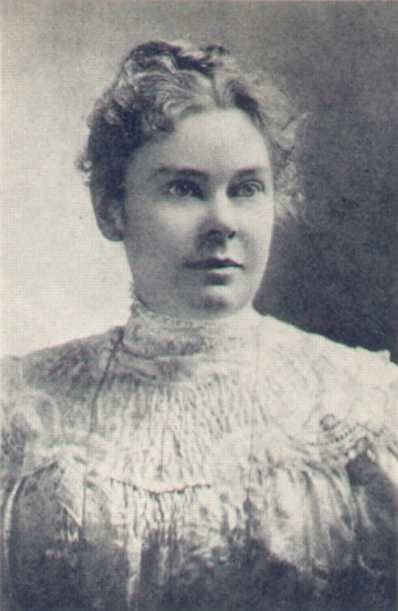
- Period
- 1892–1893
- Location
- Fall River, Massachusetts
- Case status
- Lizzie Borden acquitted; murders remain officially unsolved
Two killings inside the Borden home
On August 4, 1892, Andrew Borden was found killed on a sofa in his Fall River home. His wife Abby was discovered upstairs, also dead from blows delivered by a sharp weapon. The household had been occupied during parts of the morning by Andrew’s daughters Lizzie and Emma, their maid Bridget Sullivan and a visiting relative, though Emma was away when the killings occurred. The attacks appeared to have happened at different times, creating a compressed but contested timeline inside the house.
Suspicion focuses on Lizzie
Investigators questioned Lizzie Borden about her movements and relationships within the family. Reports described tension over money, property and Andrew’s decisions. Lizzie’s answers at an inquest were inconsistent in places, and authorities later learned she had attempted to buy poison shortly before the murders, though the relevance and admissibility of that evidence were disputed. A dress was burned days afterward, which the defense explained as disposal of clothing stained with paint. No eyewitness placed Lizzie committing either attack.
The missing certainty of physical evidence
Police examined hatchets and axes found on the property, including a hatchet head with a broken handle. None was conclusively established as the murder weapon through the forensic methods available at the time. Blood evidence did not provide the kind of individualized testing expected today, and a search of Lizzie did not reveal incriminating stains. The prosecution therefore relied on motive, opportunity, behavior and inference rather than a direct witness or uniquely identified weapon.
A highly publicized trial
Lizzie was tried in New Bedford in 1893. Judges excluded portions of the inquest testimony and evidence relating to the attempted poison purchase. The defense challenged the prosecution’s timeline and argued that assumptions about family conflict could not prove murder beyond a reasonable doubt. After hearing weeks of testimony, the jury deliberated for roughly an hour and returned not-guilty verdicts. The acquittal is the legal resolution of the charges; it is not merely a technical footnote to a story later treated as solved.
Folklore versus the court record
Lizzie and Emma later lived together in a larger Fall River house before becoming estranged. No other person was prosecuted for the murders. A children’s rhyme and generations of books transformed the case into cultural shorthand, often adding details unsupported by the evidence or treating the number of blows as fixed. A responsible account keeps three propositions separate: Andrew and Abby Borden were murdered; Lizzie was a suspect and defendant; a jury acquitted her. The identity of the killer was never established in court and remains officially unresolved.
Reading the historical record
Contemporary reporting, later biographies and the surviving court record often diverge on household details and the meaning of particular behavior. The verdict supplies the essential legal boundary: jurors did not find the prosecution’s circumstantial case sufficient to convict. That does not identify another killer, and it does not turn every later theory into equal evidence. The case remains unresolved because no alternative suspect was proved and no later forensic finding has converted speculation into an official or judicial conclusion.
Reader comments.
Keep it respectful and relevant to the report. No personal information, harassment or unsupported accusations. Comments are readers’ views.
Loading your sign-in status…