The Menendez Brothers Murders
José and Kitty Menendez were shot to death in their Beverly Hills home in 1989. Their sons Lyle and Erik were convicted after two highly publicised trials.
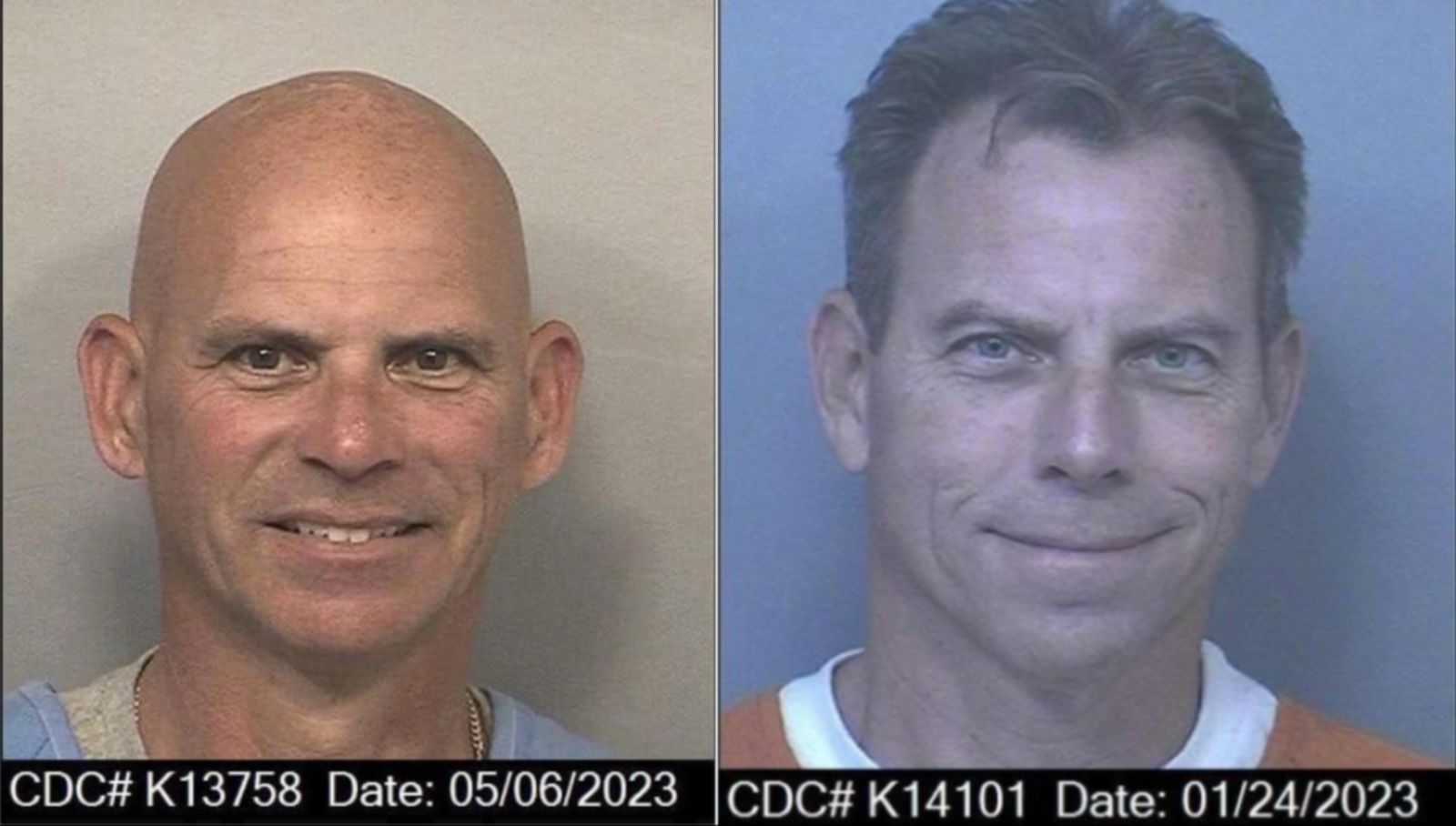
- Period
- 1989
- Location
- Beverly Hills, California
- Case status
- Solved; Lyle and Erik Menendez convicted of first-degree murder
Two deaths in a family home
On August 20, 1989, José and Kitty Menendez were killed with shotguns in their Beverly Hills home. Their sons initially told police they had returned from an evening out and discovered the bodies. The brutality of the scene encouraged theories involving organised crime or a business dispute. In the months that followed, Lyle and Erik spent heavily from the family estate. Expenditure alone did not prove murder, but it became part of the prosecution’s account of motive and post-crime conduct.
A recorded confession changed the case
Erik eventually described the killings to psychologist Jerome Oziel. Information about those sessions reached police through Oziel’s former patient and mistress, Judalon Smyth. Litigation followed over whether recordings and statements were protected by therapist-patient privilege. Courts allowed key portions to be used, and investigators arrested the brothers in 1990. The evidence moved the case from suspicion about family behaviour to admissions that the sons had fired the shots. The dispute then centred on why they killed and what degree of homicide the law supported.
The first trials ended without verdicts
The brothers were tried before separate juries in proceedings broadcast nationally. Defense lawyers argued that years of sexual, physical and emotional abuse created genuine fear of their parents; prosecutors described the killings as planned and financially motivated. Family members testified about behaviour and disclosures, while the state stressed preparation, weapon purchases and attempts to create an alibi. Neither jury could agree on verdicts, producing mistrials and setting up a second prosecution under different evidentiary rulings.
Convictions in the second trial
At the retrial, a single jury convicted both brothers in 1996 of first-degree murder and conspiracy. The court sentenced each to life in prison without parole. Those convictions established criminal responsibility, but later petitions have continued to present abuse evidence and arguments about sentence or conviction relief. Any current account must distinguish those later claims and procedural decisions from the finality of the original jury verdict unless a court changes it.
Why the debate persists
The case sits at the intersection of domestic abuse evidence, self-defense law, media spectacle and severe sentencing. Public discussion often swings between treating the brothers only as calculating heirs or only as victims of abuse. The trial record is more complicated: they admitted killing two people, and jurors ultimately rejected the defense theory sufficient to reduce the crimes. At the same time, allegations of abuse are not erased by conviction. Responsible reporting keeps both propositions visible and reports later legal developments without declaring an outcome before a court does. The surviving record must be read in layers: contemporaneous police work, evidence tested in court, later official review and retrospective commentary do not carry the same weight. This account gives priority to records and independently published sources, and it marks unresolved claims as unresolved rather than converting repetition into fact. That distinction is especially important in famous cases, where documentaries, social posts and anniversary coverage can make a disputed assertion appear settled. A responsible archive preserves dates, legal outcomes and source boundaries so that new evidence can be assessed without rewriting what earlier proceedings actually established.
Reader comments.
Keep it respectful and relevant to the report. No personal information, harassment or unsupported accusations. Comments are readers’ views.
Loading your sign-in status…