The Night Stalker Murders
Richard Ramirez terrorised Southern California through a series of home invasions, sexual assaults and murders before residents helped capture him in August 1985.
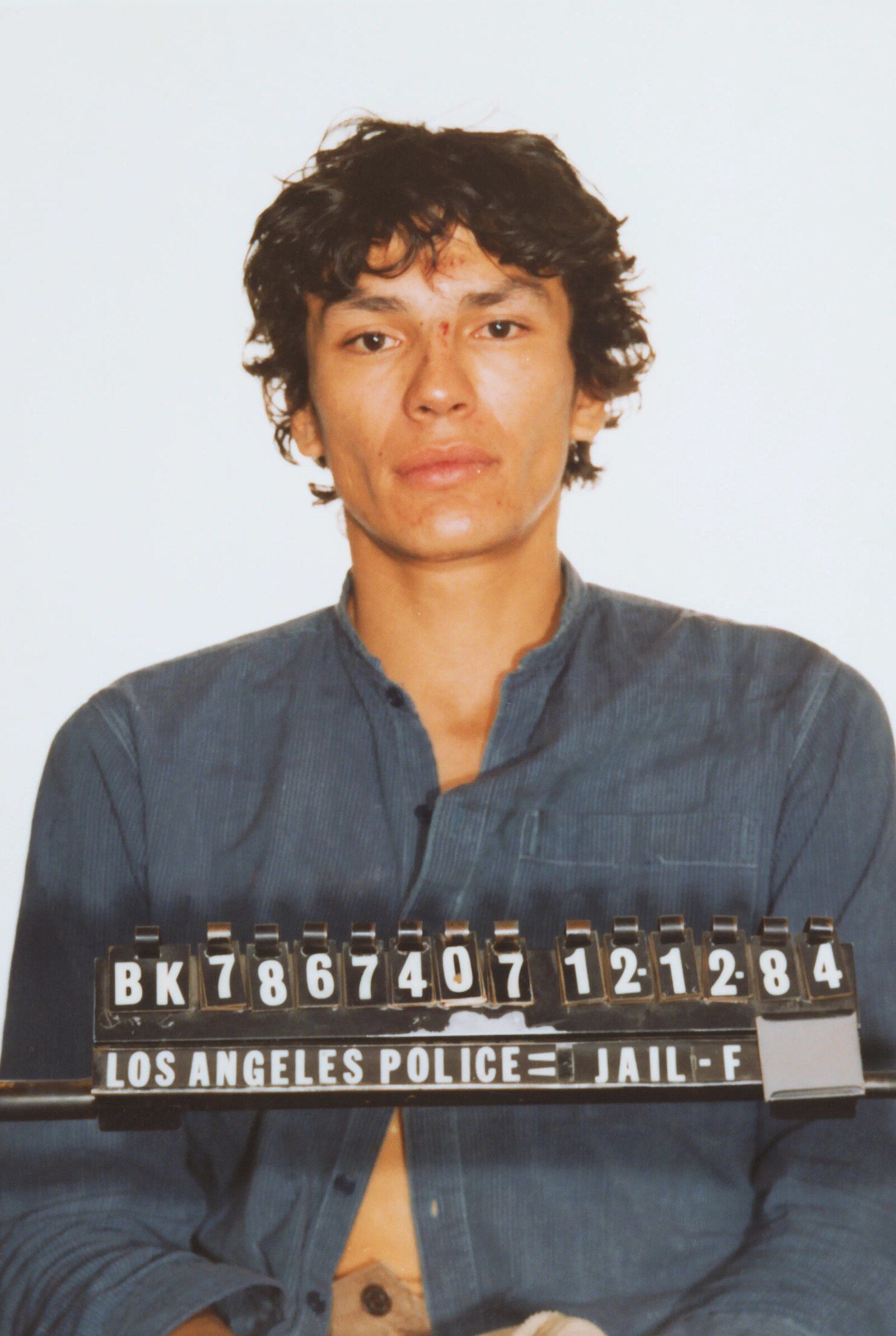
- Period
- 1984–1985
- Location
- Southern California
- Case status
- Solved; Richard Ramirez convicted of 13 murders and other crimes
A pattern across Southern California
From 1984 into 1985, residents across Los Angeles and neighbouring counties faced a series of nighttime break-ins marked by murder, sexual violence, beatings and theft. Victims varied widely in age and background, making the pattern harder to recognize through victim profile alone. Investigators linked scenes through methods, stolen property, footwear impressions and later forensic evidence. The press name “Night Stalker” captured public fear, but it also compressed many distinct victims and crimes into a single sensational label.
Evidence crossed jurisdictional lines
Local agencies compared bullets, fingerprints and witness descriptions as the attacks moved between communities. A distinctive shoe print appeared at multiple scenes. Investigators also traced property taken from homes and developed descriptions of a thin man with poor teeth. Coordination mattered because no single department initially held the entire pattern. Public disclosure of the shoe evidence drew criticism after the manufacturer identified the rare model, potentially alerting the offender that police had a valuable link.
A fingerprint produced a name
After an attack in Mission Viejo, investigators recovered a fingerprint from a stolen vehicle and matched it to Richard Ramirez through criminal records. Authorities released his name and photograph. Ramirez returned to Los Angeles after travelling and was recognized by residents in East Los Angeles. A group pursued and restrained him after he attempted carjackings. Police took him into custody on August 31, 1985, turning community recognition into an arrest that officers could then support with the accumulated forensic case.
Convictions and sentence
A Los Angeles jury convicted Ramirez in 1989 of thirteen murders, five attempted murders, eleven sexual assaults and fourteen burglaries. The court imposed death sentences. The trial was lengthy and heavily publicised, but its legal core was a large body of crime-scene evidence and survivor testimony connecting separate attacks to one defendant. Ramirez died in prison in 2013 while appeals were still pending, so California did not carry out the sentence.
The case beyond the nickname
The enduring lesson is not merely that a notorious offender was caught. The investigation shows how information sharing, preserved prints and detailed survivor accounts can unite crimes that appear scattered. It also warns against treating a marketable nickname as the story itself. Survivors lived with injuries and trauma long after the public manhunt ended. Responsible historical coverage names the offender when necessary but keeps the investigative record, the many victims and the limits of each evidentiary claim at the centre. The surviving record must be read in layers: contemporaneous police work, evidence tested in court, later official review and retrospective commentary do not carry the same weight. This account gives priority to records and independently published sources, and it marks unresolved claims as unresolved rather than converting repetition into fact. That distinction is especially important in famous cases, where documentaries, social posts and anniversary coverage can make a disputed assertion appear settled. A responsible archive preserves dates, legal outcomes and source boundaries so that new evidence can be assessed without rewriting what earlier proceedings actually established.
Reader comments.
Keep it respectful and relevant to the report. No personal information, harassment or unsupported accusations. Comments are readers’ views.
Loading your sign-in status…