The Osage Reign of Terror
After oil wealth made Osage headrights extraordinarily valuable, members of the Osage Nation and others began dying under suspicious circumstances. Federal investigators proved that William Hale orchestrated murders within Mollie Burkhart’s family to gain control of inheritance rights. Hale and accomplices were convicted, but the wider death toll was never fully accounted for.
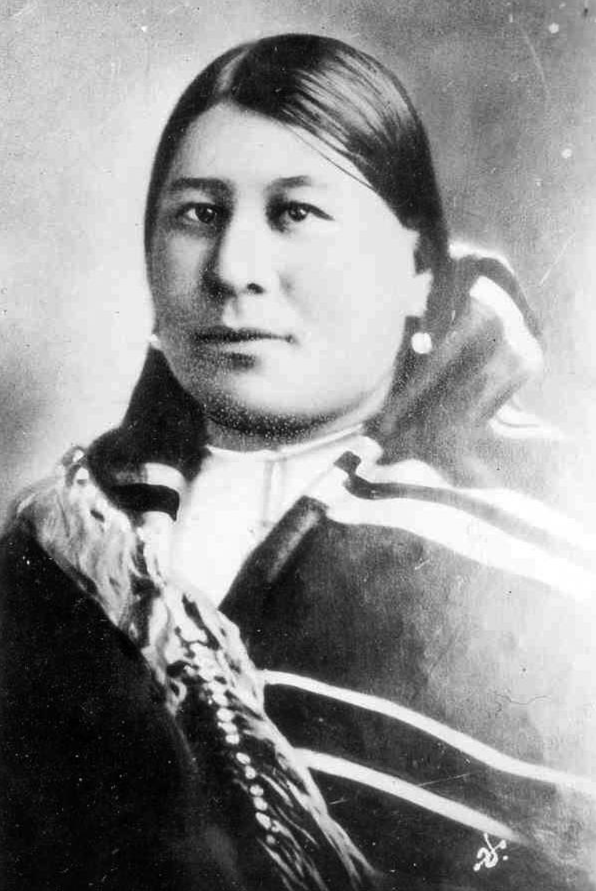
- Period
- 1921–1929
- Location
- Osage County, Oklahoma
- Case status
- Convictions in a wider series
Oil wealth and a system built for exploitation
In the early twentieth century, oil discoveries transformed the Osage Nation’s mineral estate into one of the most valuable sources of petroleum wealth in the United States. Enrolled Osage citizens held shares in the communal mineral estate known as headrights. The rights could be inherited, and quarterly payments could be enormous.
Federal policy simultaneously treated many Osage adults as incapable of managing their own money. Courts appointed white guardians to control accounts, and local businesses routinely overcharged Osage customers. That system created opportunities for fraud before the violence began. Marriage and inheritance could place a headright under the control of a non-Osage spouse or guardian, giving murder a financial motive.
Deaths inside Mollie Burkhart’s family
In May 1921, the body of Anna Brown was found in a ravine. She had been shot. Anna’s sister Mollie Burkhart then watched other relatives die in rapid succession. Their mother, Lizzie Q, died under suspicious circumstances. Another sister, Rita Smith, was killed with her husband Bill when an explosion destroyed their home in 1923.
The deaths were part of a broader period of fear remembered as the Reign of Terror. Estimates vary because many suspicious deaths were never investigated adequately. Local inquiries were compromised by intimidation, corruption and indifference, while witnesses and potential witnesses also died.
The federal investigation
The Osage Tribal Council appealed to the federal government for help. The Bureau of Investigation sent agents under Tom White, a former Texas Ranger. Because outsiders attracted attention, some investigators worked undercover as a cattle buyer, an insurance salesman and other ordinary residents.
The inquiry concentrated on William K. Hale, a wealthy rancher who presented himself as a friend of the Osage community. Agents reconstructed an inheritance plan centred on Mollie Burkhart’s family. Hale’s nephew Ernest Burkhart was Mollie’s husband. As Mollie’s relatives died, their headrights moved closer to Mollie—and potentially to Ernest and Hale.
Confessions and convictions
Investigators obtained testimony connecting Hale to the killing of Henry Roan and to the murders within the Burkhart family. Ernest Burkhart eventually pleaded guilty for his part in the Smith house bombing and testified against Hale. John Ramsey admitted participating in Roan’s killing.
Hale and Ramsey were convicted in federal court for Roan’s murder after earlier proceedings failed to produce a verdict. Hale received a life sentence. The prosecutions established responsibility for a specific group of murders, not every death associated with the wider terror.
What the case did—and did not—resolve
The convictions interrupted one conspiracy and became a formative episode in the development of the FBI. They did not deliver a complete accounting of the Osage dead. Researchers and Osage families have continued to identify suspicious deaths that fell outside the proven Hale plot.
The lasting story is therefore larger than a single mastermind. It concerns a legal and social structure that made Osage wealth vulnerable, officials who failed to protect families, and a community that preserved the names of victims when the public record did not.
Reader comments.
Keep it respectful and relevant to the report. No personal information, harassment or unsupported accusations. Comments are readers’ views.
Loading your sign-in status…