The Kidnapping and Murder of Polly Klaas
Twelve-year-old Polly Klaas was abducted from her bedroom during a slumber party in October 1993. A palm print and a multi-agency search led investigators to Richard Allen Davis.
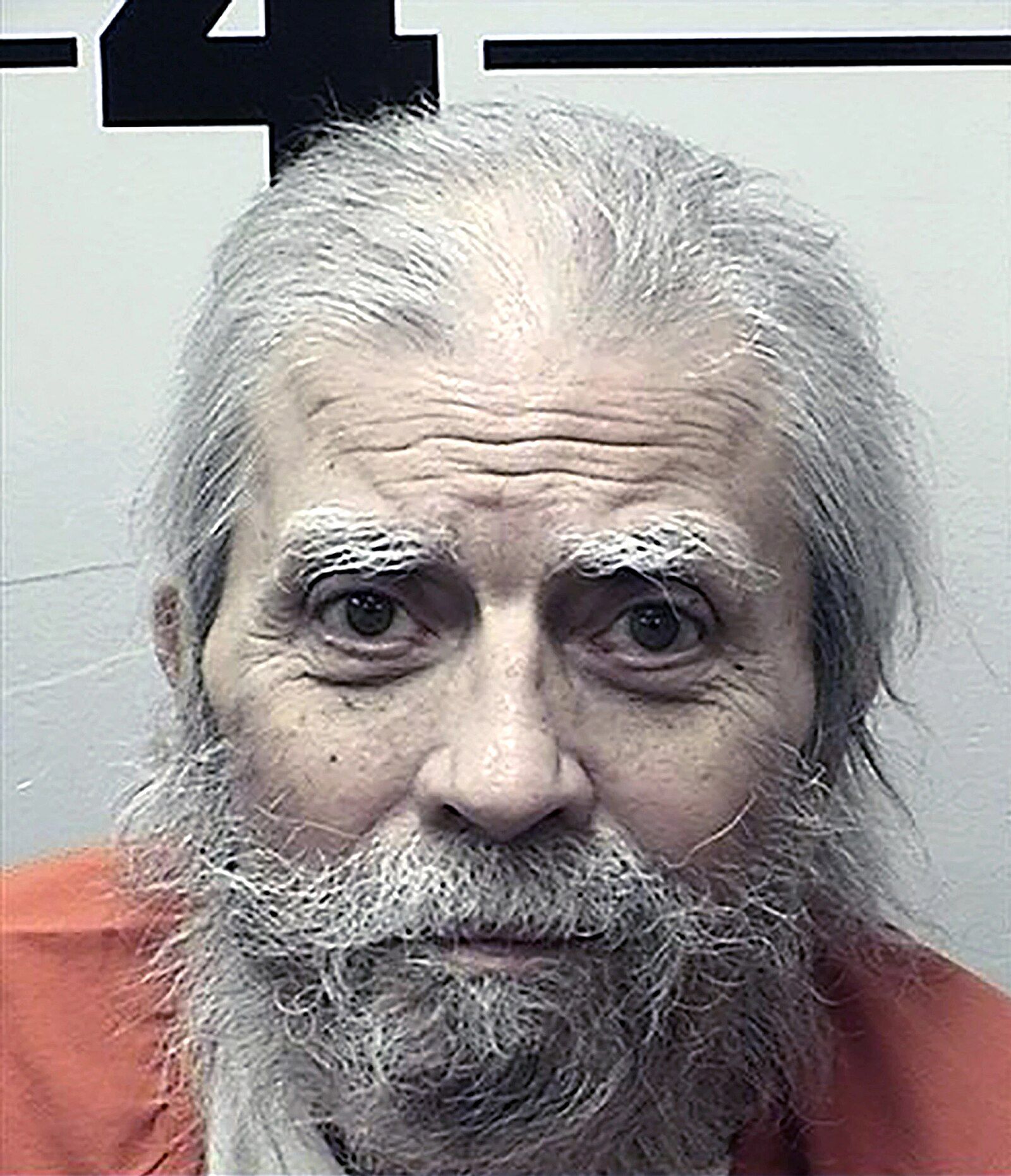
- Period
- 1993
- Location
- Petaluma, California
- Case status
- Solved; Richard Allen Davis convicted and sentenced to death
An abduction from a bedroom
On October 1, 1993, an intruder entered the Petaluma home where twelve-year-old Polly Klaas was hosting two friends. The man restrained the children and took Polly at knifepoint while other family members were elsewhere in the house. Her friends provided descriptions that helped form the public appeal. Thousands of volunteers joined an extensive search, while local police, the FBI and other agencies worked leads across Northern California. The unusual location of the abduction made evidence from the bedroom especially important.
A missed encounter became central
Within hours of the kidnapping, deputies encountered Richard Allen Davis after his car became stuck near a rural property. At that point they did not connect him to the abduction and helped him leave. Investigators later reconstructed the contact and Davis’s movements. A search of the area and follow-up interviews shifted attention toward him. The episode became a painful example of how information available to separate officers may not reveal its significance until descriptions, timelines and records are brought together.
The palm print and the recovery
The FBI announced that a palm print recovered from Polly’s bedroom matched Davis. That forensic link placed him at the abduction scene and supported the developing case. After his arrest, Davis provided information that led investigators to Polly’s body near Cloverdale. The recovery ended the search but confirmed that she had been killed. Prosecutors combined the print, witness evidence, Davis’s conduct and his statements into a case for kidnapping and murder with special circumstances.
Conviction and continuing litigation
A jury convicted Davis in 1996, and he was sentenced to death. His conviction and sentence moved through California’s lengthy appellate process. Later changes to state law generated additional litigation over whether his sentence could be recalled, but courts rejected efforts to remove the death judgment. Those proceedings concern the lawful punishment after conviction; they do not alter the underlying jury finding that Davis abducted and murdered Polly. Accurate accounts must separate the original evidence and verdict from later policy disputes about capital sentencing.
Policy and memory
Polly’s murder became part of the political drive behind California’s “three strikes” sentencing law and renewed scrutiny of parole supervision. The policy consequences were broad and controversial, sometimes overshadowing the facts of the case itself. The more durable investigative lesson is the value of preserving trace evidence, sharing field contacts quickly and testing early assumptions. Polly’s family also created a foundation supporting missing-child searches. Her name remains tied to advocacy, but the case begins with a child taken from the one place where she should have been safest. The surviving record must be read in layers: contemporaneous police work, evidence tested in court, later official review and retrospective commentary do not carry the same weight. This account gives priority to records and independently published sources, and it marks unresolved claims as unresolved rather than converting repetition into fact. That distinction is especially important in famous cases, where documentaries, social posts and anniversary coverage can make a disputed assertion appear settled. A responsible archive preserves dates, legal outcomes and source boundaries so that new evidence can be assessed without rewriting what earlier proceedings actually established.
Reader comments.
Keep it respectful and relevant to the report. No personal information, harassment or unsupported accusations. Comments are readers’ views.
Loading your sign-in status…