The Murder of Rebecca Schaeffer
Actor Rebecca Schaeffer was shot at her Los Angeles home in 1989 by Robert John Bardo, a fan who had stalked her and obtained her address through a records service.
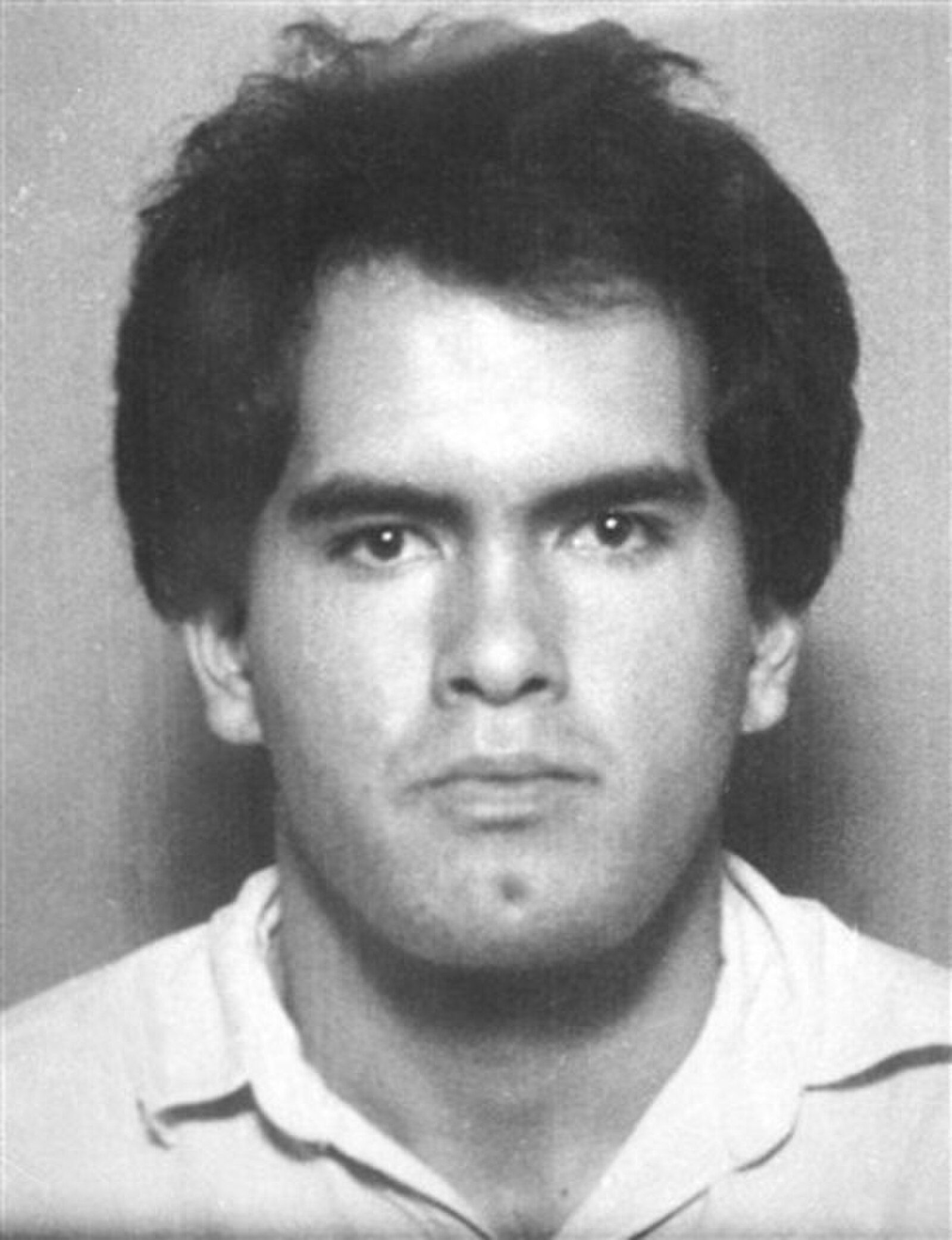
- Period
- 1989
- Location
- Los Angeles, California
- Case status
- Solved; Robert John Bardo convicted of first-degree murder
A fan crossed into her private life
Rebecca Schaeffer, twenty-one, was known for the television series My Sister Sam and was building a film career. Robert John Bardo had written to her and travelled from Arizona after developing an obsessive interest. He obtained her home address through a private investigator using motor-vehicle records. On July 18, 1989, Bardo went to Schaeffer’s apartment, was turned away, returned and shot her at the doorway. She died at a hospital.
The evidence traced preparation
Investigators identified Bardo through witnesses, correspondence and his movements. He was arrested in Tucson the following day after motorists reported a man behaving erratically on a highway. Prosecutors reconstructed the steps he took to locate Schaeffer and acquire a gun. The evidence showed planning rather than a spontaneous encounter. His defense presented mental-health evidence, but a jury had to decide criminal responsibility under California law, not simply whether he had psychiatric symptoms.
Conviction and life sentence
A jury convicted Bardo of first-degree murder in 1991. He received life imprisonment without the possibility of parole. The verdict established that the stalking, travel and acquisition of Schaeffer’s address culminated in a premeditated killing. Later accounts often label Bardo a “fan,” but that word can minimise the coercive and threatening conduct. He was a stalker who targeted a person he knew through public work but had no personal relationship with.
Laws changed after the killing
Schaeffer’s murder became a catalyst for California’s 1990 anti-stalking statute, the first such state law in the United States. It also intensified concern about easy access to home addresses through driver records. Congress later enacted the Driver’s Privacy Protection Act, limiting disclosure of personal information held by motor-vehicle departments. No law can be attributed to one case alone, but Schaeffer’s death supplied a clear example of how commercial access to private data could facilitate violence.
A modern privacy warning
The technological details have changed since 1989, but the central risk remains: public visibility does not equal consent to personal access. Stalking can escalate through information gathered from records, platforms and intermediaries. The case therefore belongs in crime history and in the history of privacy regulation. Schaeffer should be remembered as an actor and young woman whose future was taken, not only as the namesake of legal reforms. Accurate reporting keeps the offender’s conduct, the enabling data trail and the victim’s personhood in the same frame. The surviving record must be read in layers: contemporaneous police work, evidence tested in court, later official review and retrospective commentary do not carry the same weight. This account gives priority to records and independently published sources, and it marks unresolved claims as unresolved rather than converting repetition into fact. That distinction is especially important in famous cases, where documentaries, social posts and anniversary coverage can make a disputed assertion appear settled. A responsible archive preserves dates, legal outcomes and source boundaries so that new evidence can be assessed without rewriting what earlier proceedings actually established.
Reader comments.
Keep it respectful and relevant to the report. No personal information, harassment or unsupported accusations. Comments are readers’ views.
Loading your sign-in status…