The Robert Berdella Murders
Robert Berdella kidnapped, tortured and murdered six young men in Kansas City during the 1980s. The crimes were uncovered after a captive escaped from his house in 1988.
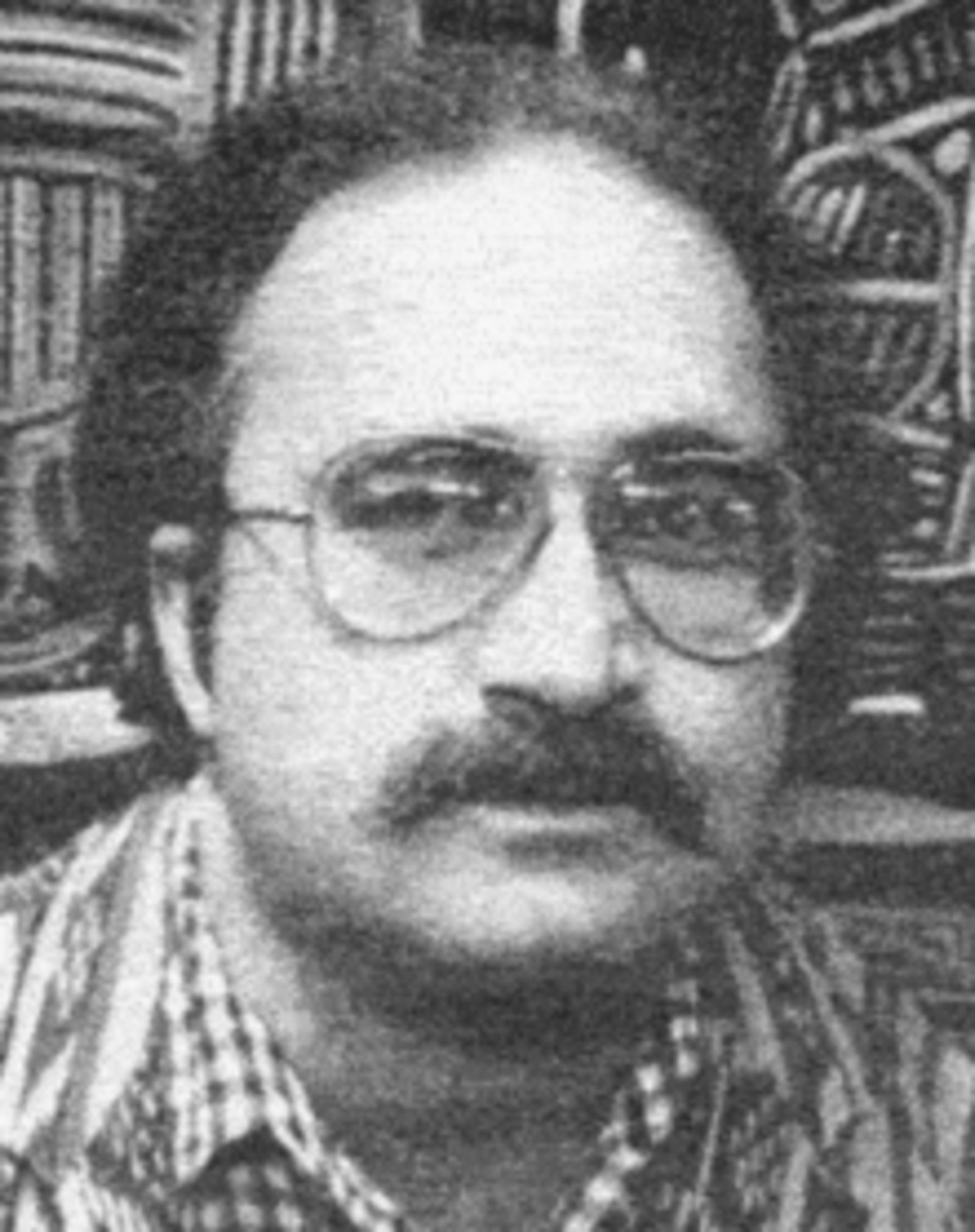
- Period
- 1984–1987
- Location
- Kansas City, Missouri
- Case status
- Solved; Robert Berdella pleaded guilty and received life sentences
An escape exposed the house
On April 2, 1988, a young man wearing only a dog collar escaped from a second-floor window of Robert Berdella’s Kansas City home and reached a neighbour for help. Police responding to the account entered the house and found photographs, restraints, human remains and extensive notes. What initially appeared to be a single kidnapping scene became evidence of serial crimes committed over several years. The survivor’s ability to escape was the decisive event that ended Berdella’s control and opened the investigation.
Six victims identified
Investigators attributed six murders to Berdella: Jerry Howell, Robert Sheldon, Mark Wallace, James Ferris, Todd Stoops and Larry Pearson. He knew or had encountered several victims in the local community before holding them captive. Berdella recorded abuse in photographs and logs, and police recovered physical evidence that supported the identities and sequence of crimes. Some remains had been dismembered and placed with household refuse, making recovery and reconstruction exceptionally difficult.
A plea avoided a capital trial
Missouri prosecutors pursued kidnapping, assault and murder charges. Berdella eventually pleaded guilty to multiple killings and received life sentences without parole, avoiding a death-penalty trial. His admissions supplied information about the victims, but they came from the offender and had to be tested against recovered evidence. The plea resolved criminal liability without a jury trial, a distinction that matters when evaluating later retellings that mix established facts with Berdella’s self-serving explanations.
Death in custody
Berdella was imprisoned in Missouri and died in 1992 after suffering a heart attack. The relatively short period between discovery and his death limited later questioning and left some uncertainty about whether additional victims existed. Police examined missing-person cases but publicly established six murders. Speculation beyond those cases remains speculation. The convictions and physical record provide a firm core, while responsible history marks the boundary between that core and unresolved suspicion.
The survivor at the centre
Coverage frequently focuses on the house, photographs and offender’s nickname. The essential investigative fact is simpler: a captive survived, escaped and told the truth to people who acted. His account allowed police to intervene and preserve evidence. Describing the recovered materials may be necessary to explain proof, but graphic repetition is not. The six murdered men and the surviving witness should remain central. The case demonstrates how one credible disclosure, promptly believed and investigated, can expose crimes that an offender had hidden in an ordinary neighbourhood. The surviving record must be read in layers: contemporaneous police work, evidence tested in court, later official review and retrospective commentary do not carry the same weight. This account gives priority to records and independently published sources, and it marks unresolved claims as unresolved rather than converting repetition into fact. That distinction is especially important in famous cases, where documentaries, social posts and anniversary coverage can make a disputed assertion appear settled. A responsible archive preserves dates, legal outcomes and source boundaries so that new evidence can be assessed without rewriting what earlier proceedings actually established.
Reader comments.
Keep it respectful and relevant to the report. No personal information, harassment or unsupported accusations. Comments are readers’ views.
Loading your sign-in status…