A Conviction Overturned: The Unresolved Murder of Marilyn Sheppard
Marilyn Sheppard was killed in her Ohio home in 1954. Her husband Sam was convicted, won a landmark Supreme Court ruling and was acquitted at a second trial.
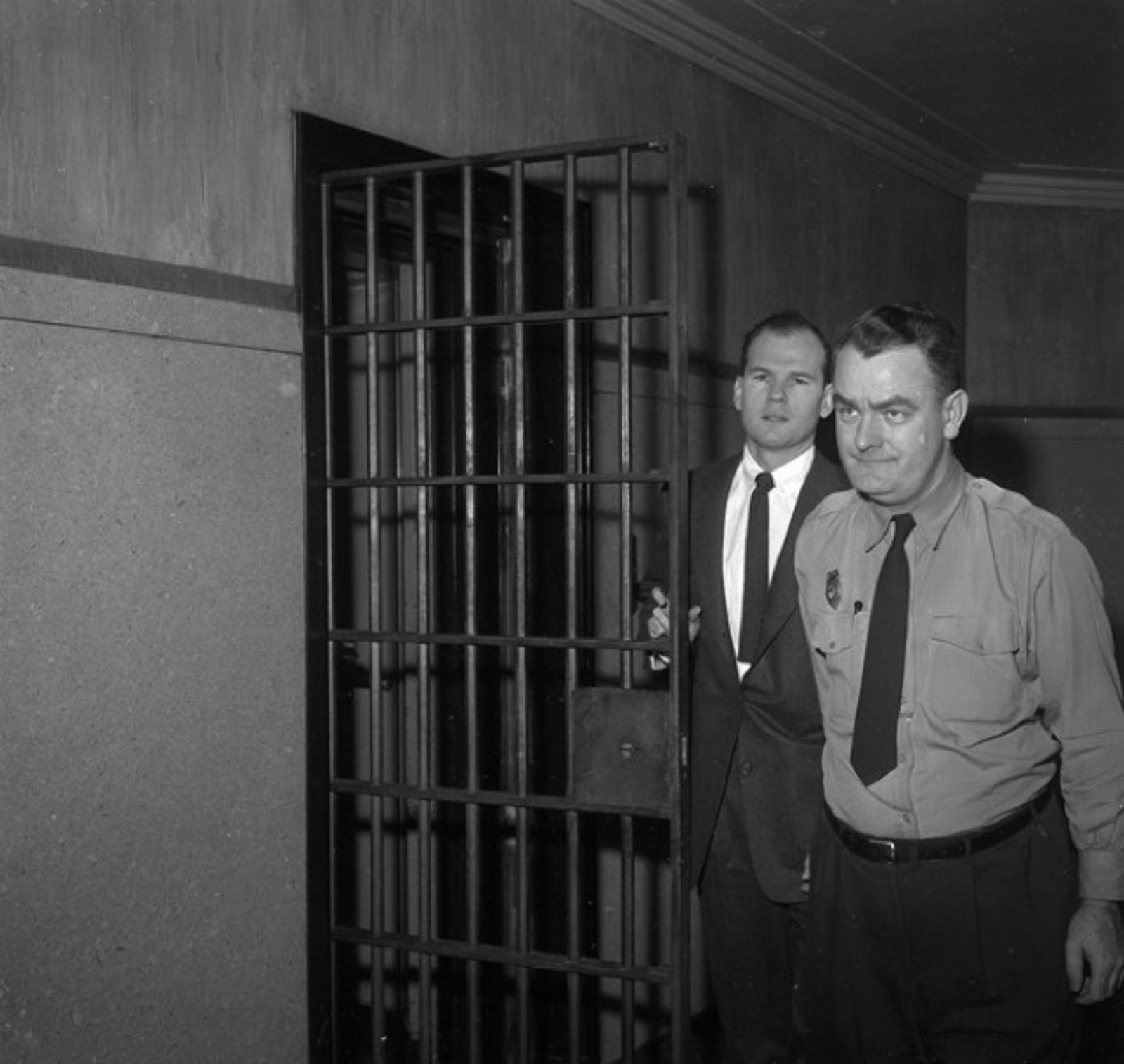
- Period
- 1954–1966
- Location
- Bay Village and Cleveland, Ohio
- Case status
- Sam Sheppard acquitted at retrial; Marilyn Sheppard’s murder remains unresolved
Marilyn Sheppard is found dead
In the early hours of July 4, 1954, Marilyn Reese Sheppard was killed in the bedroom of the family home in Bay Village, Ohio. Her husband, osteopathic physician Samuel Sheppard, said he had been sleeping downstairs, heard his wife cry out and encountered a bushy-haired intruder. He reported chasing the man toward Lake Erie and suffering injuries during a struggle. Their young son slept nearby. Police and the coroner questioned Sheppard’s account and focused on him as the principal suspect.
Press pressure before the arrest
Cleveland newspapers treated the investigation as a major campaign, publishing accusations, demanding action and scrutinizing the Sheppard family. Sam Sheppard was arrested on July 30. The publicity did more than report the case; it shaped the environment in which witnesses, officials and potential jurors encountered it. At trial, reporters occupied prominent courtroom space, and jurors were not fully insulated from outside attention. The prosecution argued that Sheppard killed Marilyn after marital conflict, while the defense emphasized an unknown intruder and gaps in physical evidence.
Conviction and years in prison
A jury convicted Sheppard of second-degree murder in December 1954, and he received a life sentence. He continued to maintain his innocence. Appeals in Ohio initially failed. Over time, lawyers and journalists revisited the evidence, the coroner’s conduct and the intense press campaign. Attorney F. Lee Bailey eventually represented Sheppard in federal proceedings. The case shifted from a local murder conviction to a constitutional dispute about whether a trial can be fair when a judge does not control publicity and courtroom conditions.
The Supreme Court orders a new trial
In 1966, the United States Supreme Court ruled in Sheppard v. Maxwell that Sheppard had been denied a fair trial. The Court criticized the trial judge’s failure to protect the proceeding from prejudicial publicity and the carnival atmosphere surrounding it. The ruling did not declare Sheppard innocent or decide who killed Marilyn. It set aside the conviction because the process failed constitutional standards. The decision became a leading authority on judicial responsibility to manage media effects and protect juror impartiality.
Acquittal at retrial
Ohio retried Sheppard later in 1966. The defense challenged the original investigation and offered a different presentation of the physical evidence. After a shorter and more controlled proceeding, the jury found him not guilty. The acquittal meant the state had not proved his guilt beyond a reasonable doubt at the second trial. It did not identify another offender. Sheppard returned to medical work for a time and died in 1970. Later civil litigation brought additional forensic arguments but did not produce a criminal conviction.
A landmark ruling and an unresolved homicide
The Sheppard case is often connected to fictional versions of a doctor pursued for his wife’s murder, but the real record has two distinct outcomes. Sam Sheppard’s original conviction was constitutionally invalid, and a second jury acquitted him. Marilyn Sheppard’s killing nonetheless remains unresolved. Conflating those facts either treats an acquitted man as convicted or treats acquittal as proof of a different suspect. The lasting legal significance concerns fair-trial protections; the lasting human fact is that Marilyn and her unborn child were killed without a final criminal resolution.
Reader comments.
Keep it respectful and relevant to the report. No personal information, harassment or unsupported accusations. Comments are readers’ views.
Loading your sign-in status…