A Bomb Beneath the Church Steps: The 16th Street Baptist Church Murders
A bomb planted at Birmingham's 16th Street Baptist Church killed four girls on September 15, 1963, during a decisive period in the civil-rights movement.
- Period
- 1963
- Location
- Birmingham, Alabama
- Case status
- Four Ku Klux Klan members identified; three convicted and one died before trial
Sunday morning at 16th Street Baptist Church
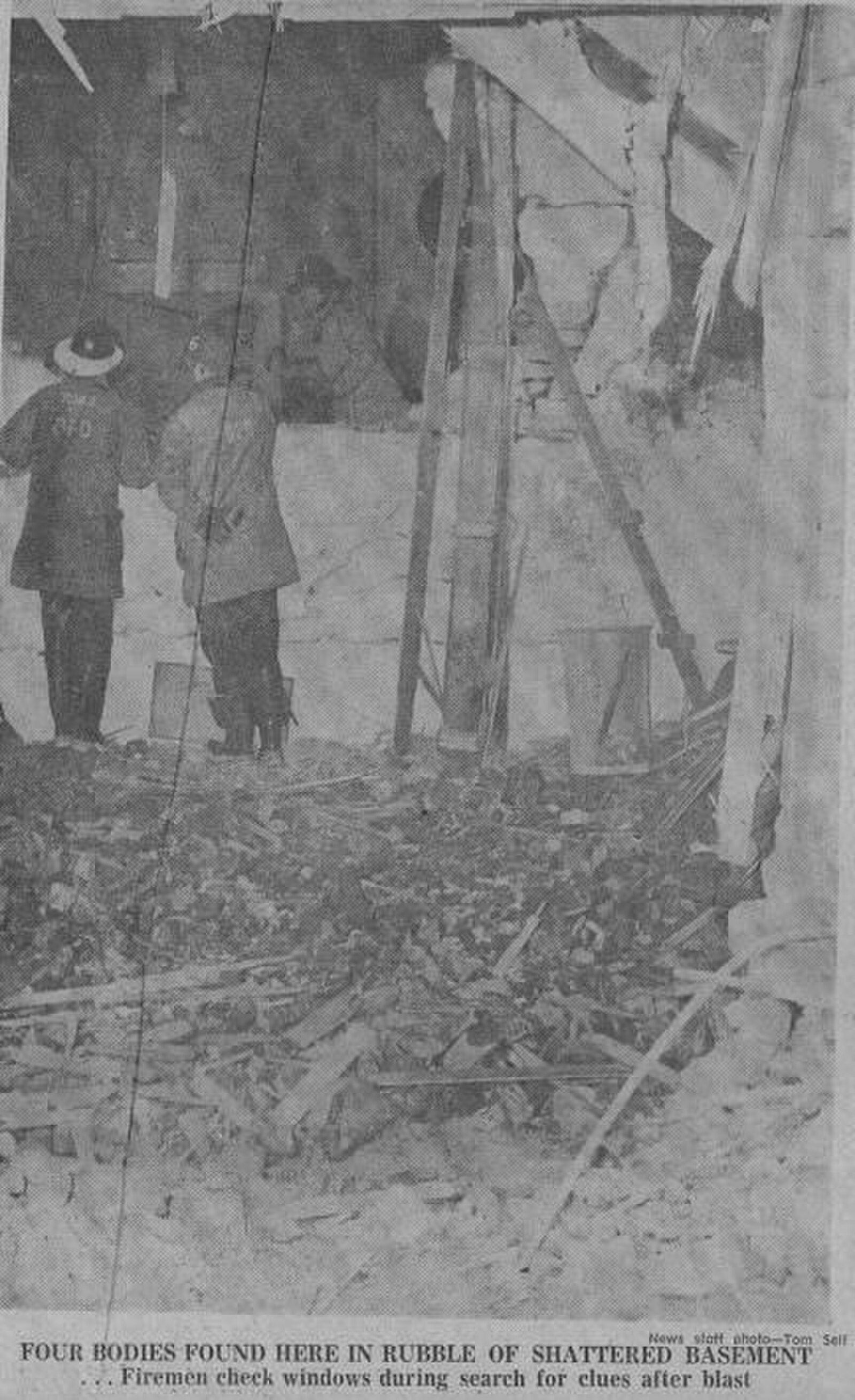
On September 15, 1963, families gathered at 16th Street Baptist Church in Birmingham for Sunday services and a youth program. The church was a center of Black community life and had served as a meeting point for civil-rights organizing. Shortly after 10:20 a.m., dynamite hidden beneath exterior steps exploded. The blast tore through the building and killed Addie Mae Collins, Denise McNair, Carole Robertson and Cynthia Wesley. More than twenty other people were injured. The four girls, ages eleven to fourteen, had been preparing for the day's service.
The bombing followed a summer of confrontation
Birmingham had endured repeated attacks on Black homes and institutions, earning the name “Bombingham.” In 1963, demonstrations challenged segregation in downtown businesses and public facilities. Police commissioner Eugene Connor's use of dogs and high-pressure hoses against demonstrators drew national attention. A desegregation agreement and federal court orders intensified white-supremacist resistance. The church bombing occurred less than three weeks after the March on Washington. It was not an isolated act of vandalism but lethal racial terrorism directed at a prominent congregation and the children inside it.
Federal investigators identified suspects but charges stalled
The FBI collected debris, interviewed witnesses and examined members of a Ku Klux Klan faction. Investigators focused on Robert Chambliss, Thomas Blanton, Bobby Frank Cherry and Herman Cash. Federal authorities did not bring bombing or murder charges in the 1960s. FBI surveillance and informant material remained restricted, while Alabama prosecutors said the evidence then available was insufficient. Chambliss was convicted only of possessing dynamite and served a short sentence. The absence of an immediate murder prosecution became part of the case's institutional history and a source of lasting public anger.
Alabama reopened the case and convicted Chambliss
Alabama attorney general Bill Baxley reopened the investigation in the 1970s and sought previously unavailable federal material. Prosecutors presented witness testimony and evidence connecting Chambliss to the dynamite. A state jury convicted him of first-degree murder in 1977, fourteen years after the bombing. He received a life sentence and died in prison in 1985. The verdict demonstrated that an old civil-rights-era killing could still be prosecuted, but three other suspected participants remained untried and families still lacked a complete courtroom account.
Further reviews led to two more convictions
Federal and state investigators again reviewed the evidence in the 1990s. Recorded conversations, witness accounts and archival material supported new state prosecutions. Thomas Blanton was convicted of murder in 2001 and sentenced to life imprisonment. Bobby Frank Cherry was convicted in 2002 and also received a life sentence. Both convictions survived the immediate trial process. Herman Cash died in 1994 without being charged. Because the criminal cases were tried separately across decades, no single trial produced a comprehensive verdict against all four suspected bombers.
The victims and the public record
Congress awarded the four girls the Congressional Gold Medal in 2013. The church and surrounding Birmingham Civil Rights National Monument preserve the bombing within the broader history of the struggle against segregation. The case shows both the value and the cost of reopening an old prosecution: later investigators secured convictions, but only after witnesses aged, records were dispersed and families waited for decades. The central record is not the notoriety of the bombers. It is the loss of Addie Mae Collins, Denise McNair, Carole Robertson and Cynthia Wesley in a place where children should have been safe.
Reader comments.
Keep it respectful and relevant to the report. No personal information, harassment or unsupported accusations. Comments are readers’ views.
Loading your sign-in status…