The St. Valentine’s Day Massacre
Seven men associated with Chicago’s North Side gang were shot to death in a garage on February 14, 1929. Gunmen used police disguises, and suspicion centered on the conflict between George Moran’s organization and Al Capone’s syndicate.
- Period
- 1929
- Location
- Chicago, Illinois
- Case status
- Unsolved; no one was tried for the seven murders
Seven men lined against a wall
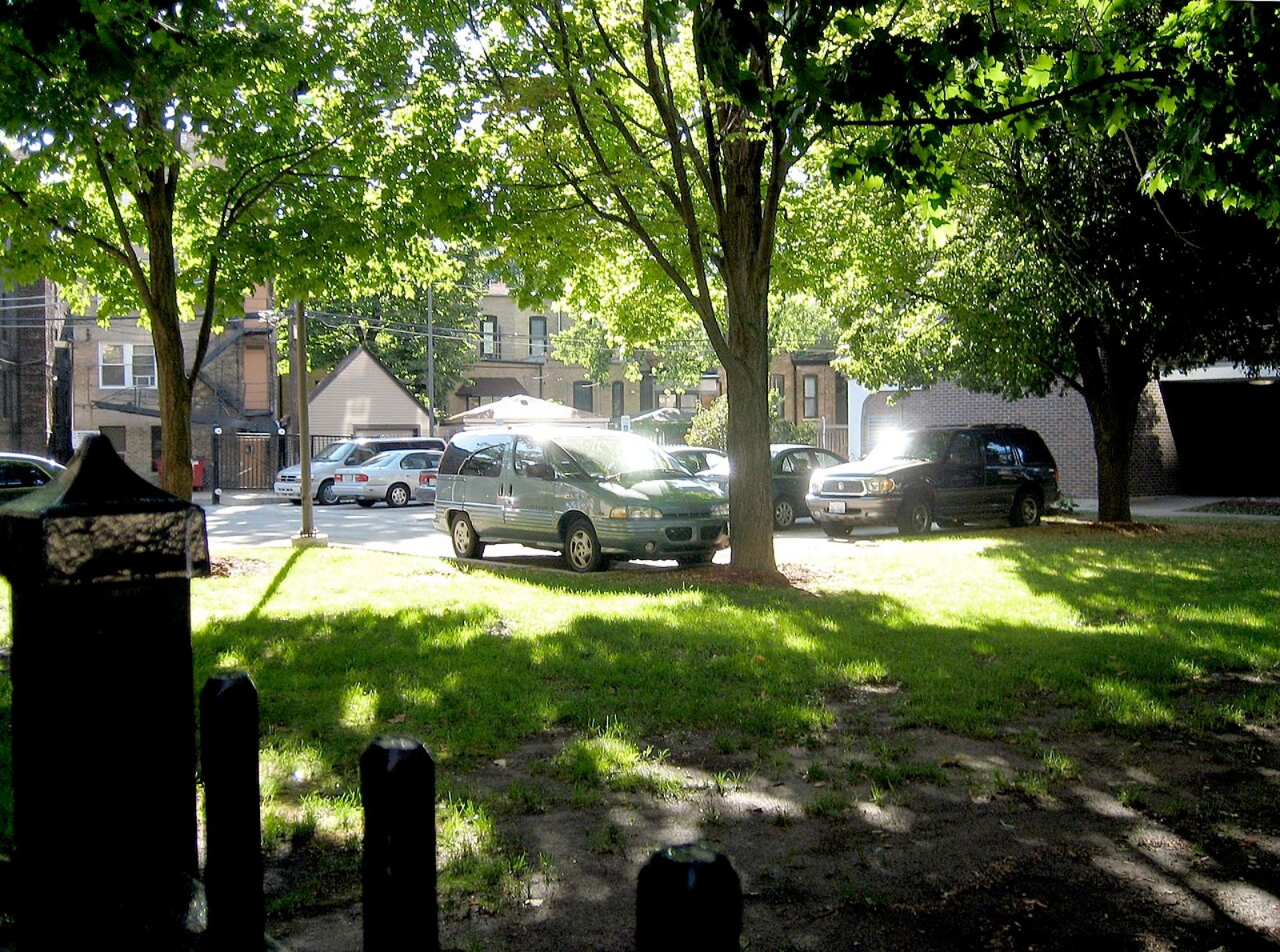
On the morning of February 14, 1929, gunmen entered the SMC Cartage Company garage at 2122 North Clark Street. At least some wore police-style uniforms. Six members or associates of George “Bugs” Moran’s North Side organization and mechanic John May were lined against a wall and shot with Thompson submachine guns and a shotgun. Six died at the scene; Frank Gusenberg survived for several hours but did not identify the attackers.
A deceptive police raid
Witnesses reported seeing men dressed as officers leave with others apparently under arrest, a performance that allowed the group to depart without immediately attracting pursuit. The disguise also explained why the victims had surrendered their weapons and faced the wall. The scene suggested careful planning, knowledge of the garage and an effort to make nearby observers believe a legitimate police operation had occurred.
Moran and Capone
Moran was believed to have been the intended principal target but did not enter the garage. His organization competed with the Chicago syndicate associated with Al Capone for control of bootlegging and other rackets. Capone was in Florida when the killings occurred. Investigators and historians have long suspected that his organization arranged the attack, but presence elsewhere did not answer the legal question of who planned or carried out the murders.
Ballistics as an investigative tool
Cook County coroner Herman Bundesen brought firearms examiner Calvin Goddard into the case. Goddard compared marks on bullets and cartridge cases and later linked two Thompson submachine guns seized in Michigan to the massacre. The work demonstrated the growing value of scientific firearms identification. Connecting weapons to the scene, however, did not by itself prove who had fired them or who had commissioned the killings.
Federal files and unresolved suspects
The FBI’s released files show federal attention to the massacre even though agents initially found no clear federal violation. Later information named possible participants and associates, but no prosecution followed. Fred Burke and other gang figures have been repeatedly identified as possible gunmen. Confessions, informant accounts and circumstantial associations remained insufficient to establish a complete, reliable account in court.
A symbol of Prohibition violence
The killings shocked the public because of their scale, organization and the use of police disguises. They weakened Moran’s organization and increased pressure on authorities to act against Capone, who was later imprisoned for tax crimes rather than the massacre. The garage was demolished in 1967. Chicago archives and museums preserve inquest material, photographs and ballistics evidence, while the murder of the seven men remains officially unresolved.
What the surviving record establishes
The FBI files, coroner material and Chicago historical collections preserve different parts of the inquiry. They establish the victims, scene and ballistics work but do not identify the gunmen beyond a reasonable doubt. Capone’s association with the suspected motive remains historically important, yet no court found that he ordered the killings. The case must therefore remain described as unsolved.
Reader comments.
Keep it respectful and relevant to the report. No personal information, harassment or unsupported accusations. Comments are readers’ views.
Loading your sign-in status…