Eleven Deaths Across the Plains: The Starkweather–Fugate Case
Charles Starkweather killed 11 people in Nebraska and Wyoming between December 1957 and January 1958 while travelling with 14-year-old Caril Ann Fugate.
- Period
- 1957–1959
- Location
- Nebraska and Wyoming
- Case status
- Charles Starkweather convicted and executed; Caril Ann Fugate convicted and later paroled
The first killing
On December 1, 1957, 19-year-old Charles Starkweather robbed and killed petrol-station attendant Robert Colvert in Lincoln, Nebraska. The crime remained unsolved when a much larger sequence began the following month. Starkweather had been dating 14-year-old Caril Ann Fugate. On January 21, 1958, members of Fugate’s family were killed at their home. Starkweather and Fugate stayed at the house for several days, turning away visitors before leaving in a car. Their departure began a pursuit across Nebraska and Wyoming.
Deaths along the route
The victims included Fugate’s mother, stepfather and young half-sister; a teenage couple; a wealthy Lincoln businessman, his wife and their household worker; and a travelling salesman. The attacks occurred at homes and along roads, often as Starkweather sought vehicles, money or shelter. Police did not immediately understand that the scenes were connected. Once the pattern became clear, roadblocks and public alerts spread across the region. The randomness of victim selection intensified fear because ordinary encounters could become fatal.
Capture near Douglas
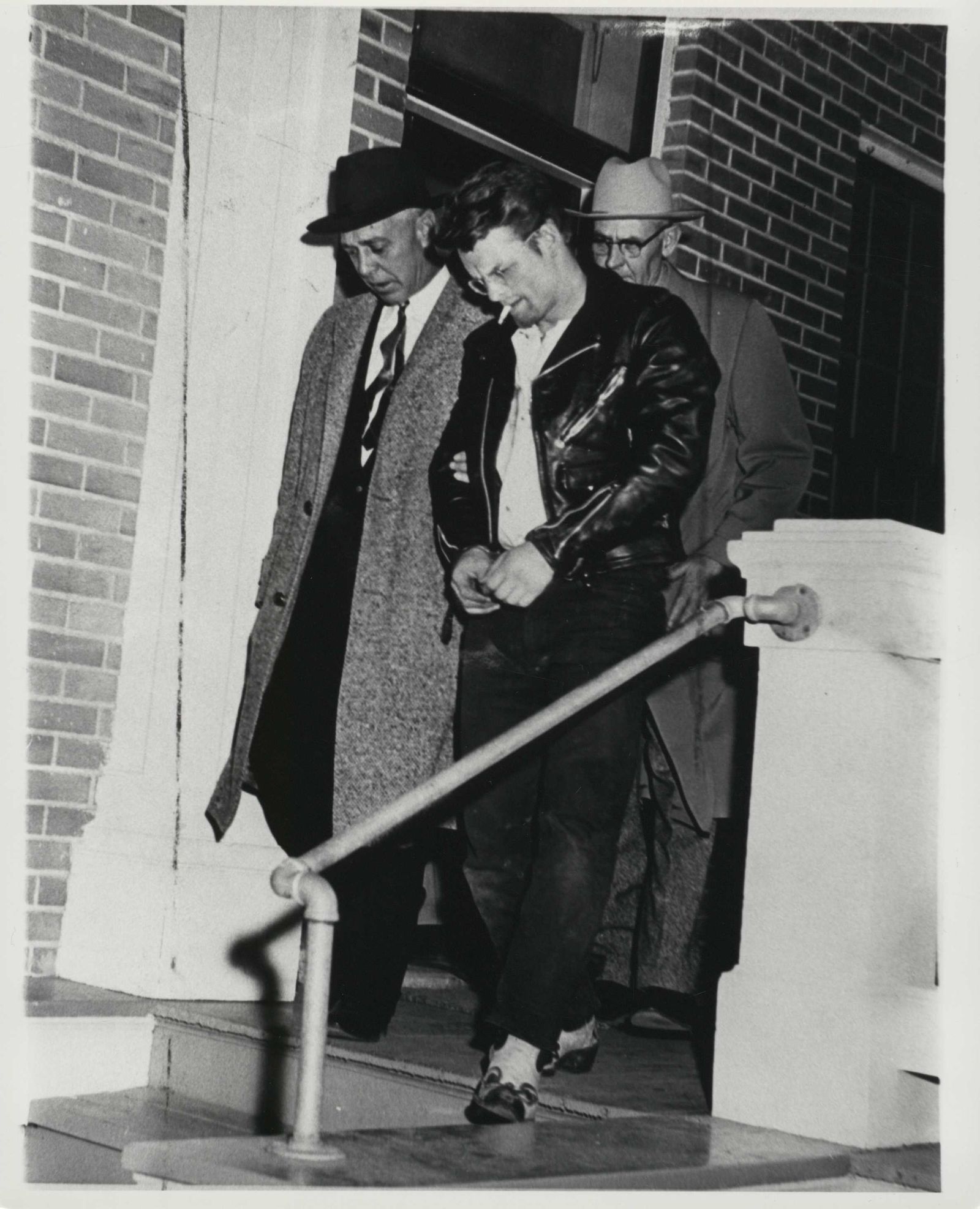
In Wyoming, Starkweather and Fugate encountered motorist Merle Collison, who was killed. A passing driver stopped and became suspicious during a struggle involving the car. Fugate ran toward him and later said Starkweather had held her captive. Law-enforcement officers pursued Starkweather at high speed until he surrendered near Douglas on January 29, 1958. Photographs from the Converse County jail document the transfer of both teenagers and the weapons and vehicle recovered after the chase.
Conflicting accounts of Fugate’s role
Starkweather and Fugate gave sharply different accounts. He sometimes implicated her as a willing participant and at other times changed details. She maintained that he had threatened her and that she believed members of her family were alive for part of the journey. Prosecutors treated her as a participant. The debate has continued because she was a child, because key witnesses were dead and because Starkweather’s statements were inconsistent. Historical accounts should distinguish her conviction from claims that every disputed act was independently proved.
Trials, execution and parole
Starkweather was convicted of the murder of Robert Jensen and sentenced to death. He was executed in Nebraska’s electric chair on June 25, 1959. Fugate was convicted of first-degree murder and received a life sentence. She was paroled in 1976 after serving 17 years. Later applications seeking a pardon renewed arguments about coercion and the fairness of treating a 14-year-old as Starkweather’s equal partner. The legal judgments remained, but the moral and factual interpretation of her role has never settled.
A case reshaped by popular culture
Films, novels and songs repeatedly transformed the crimes into a story about rebellious young lovers. That framing obscures the victims and can flatten the evidence about Fugate’s age and possible fear. Nebraska and Wyoming archives preserve statements, photographs, legal files and timelines that are less romantic and more complicated. The case is historically important as an early modern spree killing and as a study in juvenile culpability, coercion and media mythmaking. Eleven people died; the cultural image should not displace that record.
Reader comments.
Keep it respectful and relevant to the report. No personal information, harassment or unsupported accusations. Comments are readers’ views.
Loading your sign-in status…