The Toolbox Killers
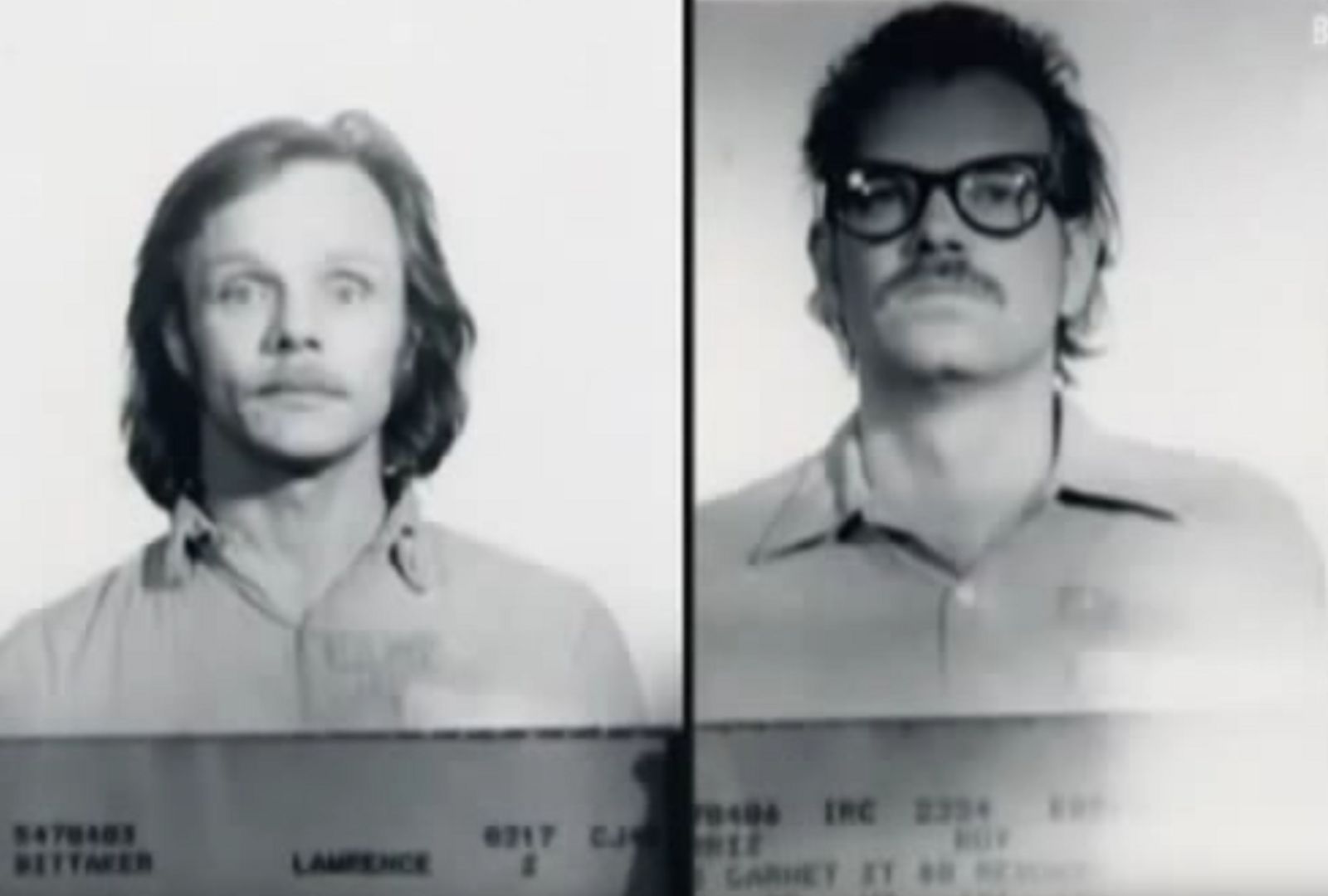
Lawrence Bittaker and Roy Norris abducted, assaulted and murdered five teenage girls in Southern California in 1979 before an informant’s account led police to them.
- Period
- 1979
- Location
- Southern California
- Case status
- Solved; Lawrence Bittaker convicted and Roy Norris pleaded guilty
A plan formed after prison
Lawrence Bittaker and Roy Norris met while incarcerated in California and later devised a plan to abduct teenage girls after both were released. In 1979, they used a cargo van to approach victims in Southern California. Prosecutors ultimately attributed five murders to the pair: Lucinda Schaefer, Andrea Hall, Jackie Gilliam, Jacqueline Lamp and Shirley Ledford. The crimes included kidnapping and sexual torture before the victims were killed and their bodies concealed or discarded.
An informant broke the silence
The investigation changed after Norris described crimes to a jail acquaintance, Jimmy Dalton, who contacted authorities. Detectives compared the account with missing-person reports and recovered evidence. Under pressure, Norris agreed to cooperate and implicated Bittaker. His information led investigators to crime scenes and physical exhibits. Because an accomplice had powerful motives to shift blame, prosecutors needed corroboration beyond his words, including items from the van, photographs and an audio recording made during one attack.
Evidence at trial
Bittaker was tried for five murders. The prosecution presented Norris’s testimony alongside physical and documentary evidence. An audio recording of Shirley Ledford’s assault became one of the most disturbing exhibits in American criminal-court history; its existence should be reported without reproducing degrading detail. Bittaker denied responsibility, but a jury convicted him in 1981 and imposed a death sentence. Norris had pleaded guilty to multiple murders and received a life sentence in exchange for cooperation.
Different endings in prison
California never executed Bittaker. He died in prison in 2019 while still under a death sentence. Norris was denied parole and died in prison in 2020. Their deaths closed the possibility of further punishment but did not alter the convictions or plea. Some victims’ remains were recovered, while aspects of the offenders’ movements generated questions about whether additional crimes existed. Historical accounts should distinguish suspicion from the five murders formally established in the case.
Reporting without spectacle
The “Toolbox Killers” name and the recording have often driven coverage toward shock. That approach risks repeating the offenders’ dehumanization of their victims. The case is better understood through evidence: a co-offender’s disclosure, careful corroboration and preserved exhibits turned concealed crimes into prosecutable ones. It also shows why parole supervision and information sharing matter when violent offenders are released. The historical record should identify Schaefer, Hall, Gilliam, Lamp and Ledford as individuals, not reduce them to a catalogue of cruelty. The surviving record must be read in layers: contemporaneous police work, evidence tested in court, later official review and retrospective commentary do not carry the same weight. This account gives priority to records and independently published sources, and it marks unresolved claims as unresolved rather than converting repetition into fact. That distinction is especially important in famous cases, where documentaries, social posts and anniversary coverage can make a disputed assertion appear settled. A responsible archive preserves dates, legal outcomes and source boundaries so that new evidence can be assessed without rewriting what earlier proceedings actually established.
Reader comments.
Keep it respectful and relevant to the report. No personal information, harassment or unsupported accusations. Comments are readers’ views.
Loading your sign-in status…