The Tylenol Murders
Seven people died on or shortly after September 29, 1982, after ingesting Extra Strength Tylenol capsules laced with cyanide. Investigators reviewed thousands of items and conducted hundreds of interviews. No one has been convicted of the killings.
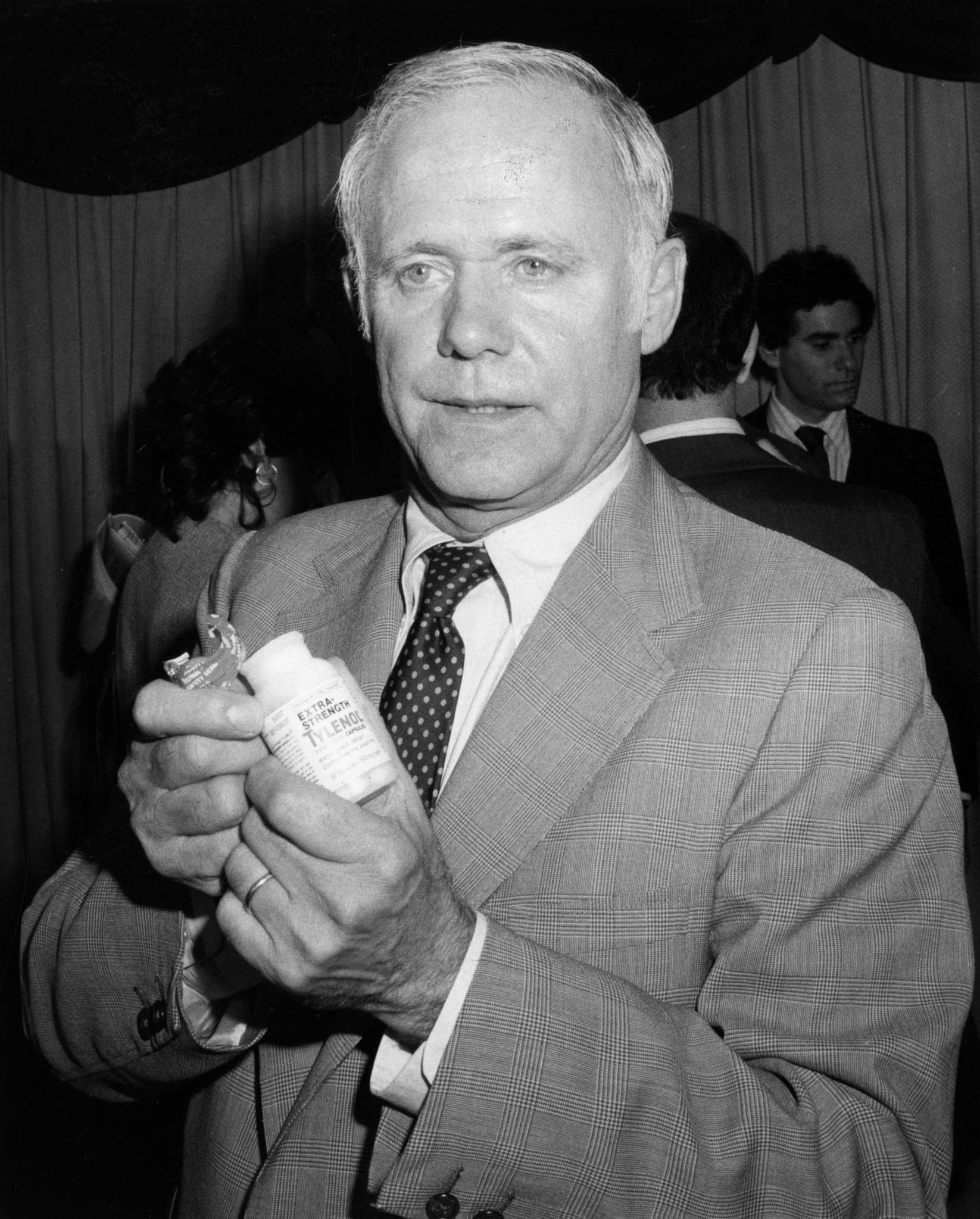
- Period
- 1982
- Location
- Chicago area, Illinois
- Case status
- Unsolved
Seven deaths and one everyday medicine
On September 29, 1982, twelve-year-old Mary Kellerman died after taking an Extra Strength Tylenol capsule. In Arlington Heights, Adam Janus died that day; his brother Stanley and sister-in-law Theresa later took capsules from the same bottle and also died. Mary McFarland, Paula Prince and Mary Reiner completed the seven known victims.
Doctors and investigators connected the sudden deaths to cyanide only after the cluster emerged. Testing showed that capsules in several retail bottles contained lethal poison. The affected bottles came from different production lots, pointing away from an accident at a single factory.
Tampering on store shelves
Investigators concluded that someone had probably obtained bottles after manufacture, opened them, replaced some capsules with cyanide-laced capsules and returned the packages to shops in the Chicago area. The crime exploited packaging that could be opened and closed without an obvious sign.
Police drove through neighbourhoods warning residents over loudspeakers. Retailers removed Tylenol, and Johnson & Johnson recalled the product nationwide. The response was exceptionally large for its time and became a case study in public-health communication and corporate crisis management.
The investigation
A multi-agency inquiry assembled thousands of exhibits, interviewed hundreds of people and followed leads across the country. In 2007, an FBI-coordinated task force began a fresh review, digitising records, re-interviewing witnesses and submitting evidence for newer forensic testing.
James Lewis sent a letter demanding money from Johnson & Johnson during the crisis and was convicted of extortion. He was never charged with the poisonings. Other people also attracted scrutiny, but suspicion did not become a murder prosecution.
How packaging changed
The poisonings altered the design of consumer medicine. Manufacturers introduced layers of tamper-evident protection such as sealed boxes, plastic bands and foil barriers. Tylenol capsules were eventually replaced by solid caplets that were harder to open and refill.
Congress passed the Federal Anti-Tampering Act in 1983, making malicious tampering with consumer products a federal crime. The seals now treated as ordinary were built in response to a crime that showed how little evidence of interference older packaging provided.
An open case with a permanent legacy
The physical act was simple enough to understand, but investigators have not established who carried it out. The random selection of retail bottles left no obvious relationship between offender and victims, and the rapid national response generated an enormous field of tips and copycat threats.
The seven deaths remain unsolved. The clearest resolution is preventive rather than judicial: packaging, federal law and consumer awareness changed, while the person responsible was never convicted.
Reader comments.
Keep it respectful and relevant to the report. No personal information, harassment or unsupported accusations. Comments are readers’ views.
Loading your sign-in status…