Bound Inside a Basement Club: The Wah Mee Massacre
Three armed men robbed the Wah Mee gambling club in Seattle on February 19, 1983, killing 13 patrons and leaving one survivor.
- Period
- 1983
- Location
- Seattle, Washington
- Case status
- Two men convicted of murder; third convicted of robbery and assault
A private club beneath Maynard Alley
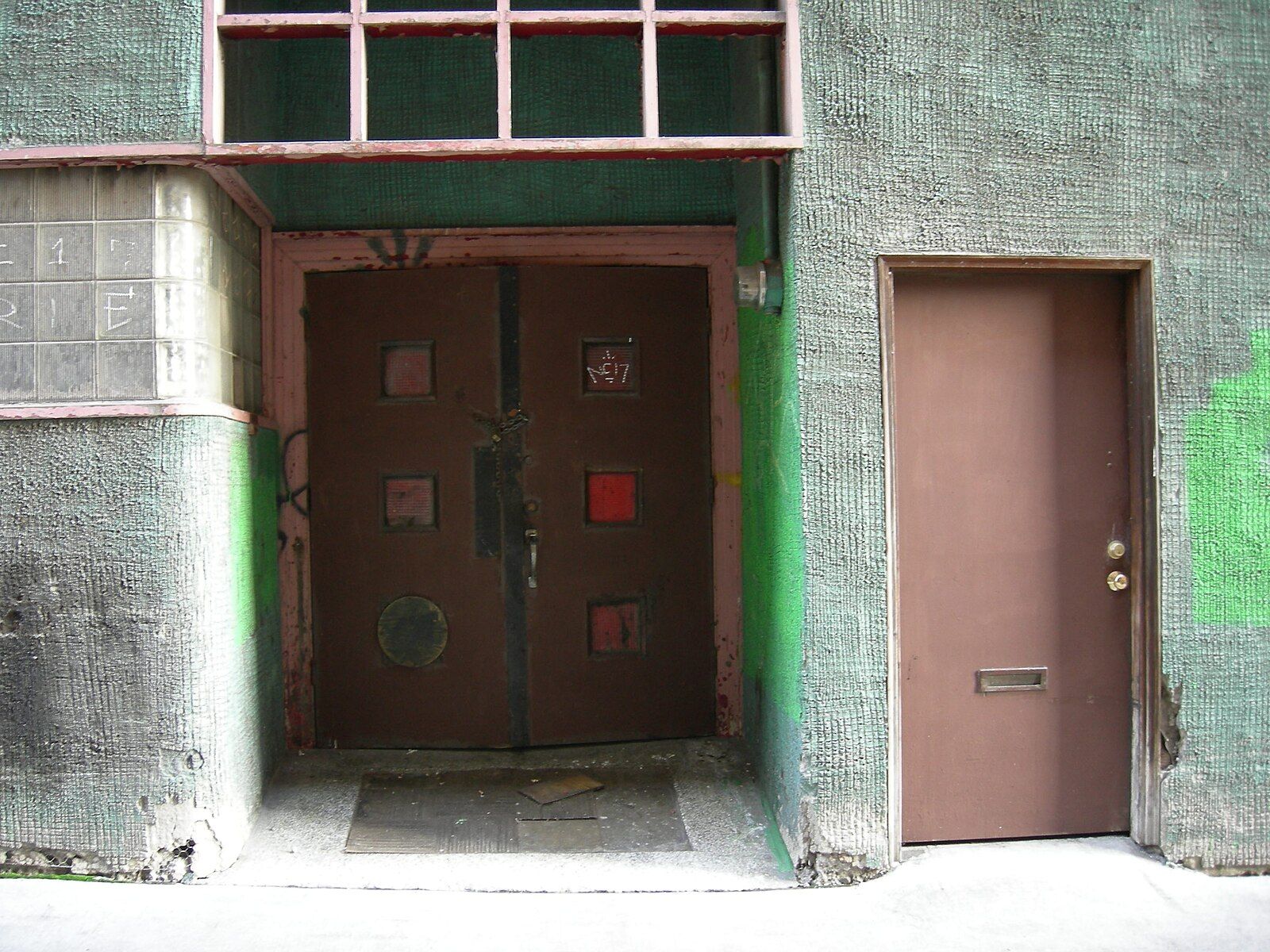
The Wah Mee Club operated behind a concealed entrance in Seattle’s Chinatown International District. Like other social and gambling clubs in the neighborhood, it served patrons who often carried cash and knew one another. On the night of February 18 into February 19, 1983, three armed men entered the basement club. At least one had prior familiarity with the operation. The attackers expected a large amount of money and used that knowledge to control the room before the robbery became mass murder.
Patrons restrained and shot
The gunmen tied patrons and staff, took money and valuables, then shot them at close range. Thirteen people died. Wai Chin, wounded in the neck, survived by remaining still among the victims after the attackers left. He freed himself and reached help, giving police an eyewitness account. The confined basement, number of casualties and deliberate effort to eliminate witnesses made the scene one of the largest homicide investigations in Seattle history. Police photographs and reports documented the club layout and the positions of evidence.
Arrests and a flight to Canada
Investigators identified Kwan Fai Mak, Benjamin Ng and Wai Chiu Ng as suspects. Mak and Benjamin Ng were arrested in the United States. Wai Chiu Ng fled to Canada, creating extradition proceedings before he was returned to Washington. The surviving witness’s testimony was crucial, but police also built the case through physical evidence, associations and statements. The shared surname of Benjamin Ng and Wai Chiu Ng did not mean they were brothers, a point sometimes confused in compressed accounts of the case.
Three defendants, different judgments
Separate trials produced different outcomes. Juries convicted Mak and Benjamin Ng of aggravated first-degree murder, and both received life sentences after later changes to death sentences or sentencing law. Wai Chiu Ng was acquitted of murder but convicted of robbery and assault. He served roughly three decades and was deported to Hong Kong after release. The distinction is legally important: all three were convicted of crimes arising from the robbery, but only Mak and Benjamin Ng were convicted of the 13 murders.
A neighborhood confronted by attention
The massacre brought national media into a community that had often been stereotyped or overlooked. Residents had to grieve while reporters described private clubs and gambling practices as though they explained the killings. Community organizations assisted families and challenged sensational coverage. The victims were restaurant workers, business owners and neighborhood residents, not simply anonymous patrons of an illegal club. Understanding the case requires placing the robbery in context without treating the setting as a reason that victims deserved less public sympathy.
The site and the surviving record
The former club remained sealed for decades. A 2013 fire damaged the Louisa Hotel building, and later redevelopment preserved parts of its history. HistoryLink, Seattle police material and court reporting document the crime, trials and community response. The surviving entrance photograph is a later image of a real location, not a reconstruction. It helps show how an ordinary alley concealed a private social space. The case’s legal resolution is substantial, but its public history continues through the families, the survivor and a neighborhood that resisted being defined by one night.
Reader comments.
Keep it respectful and relevant to the report. No personal information, harassment or unsupported accusations. Comments are readers’ views.
Loading your sign-in status…