The West Memphis Three Case
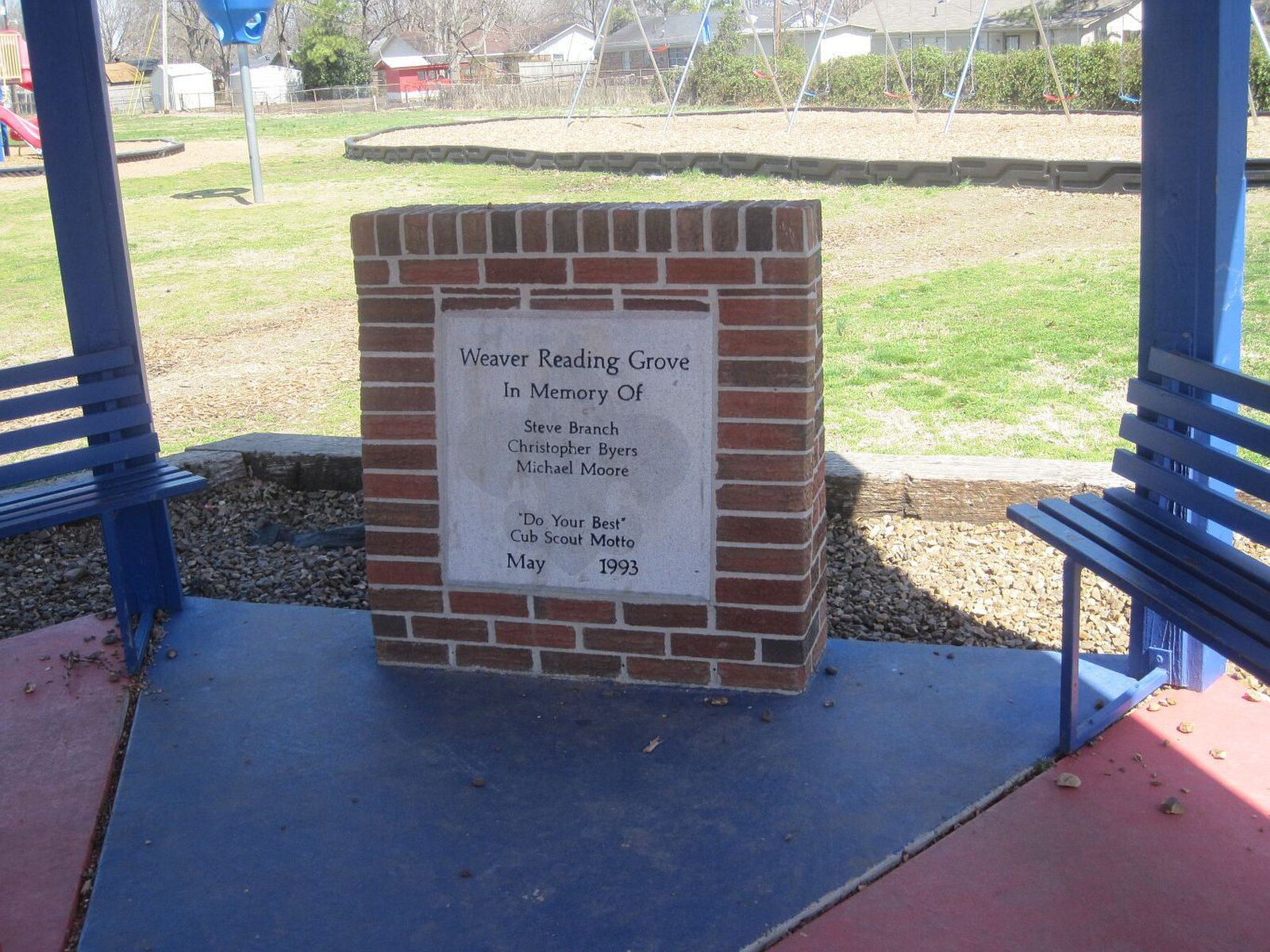
Three eight-year-old boys were murdered in West Memphis in 1993. Three teenagers were convicted, then released in 2011 under Alford pleas after years of challenges to the evidence.
- Period
- 1993
- Location
- West Memphis, Arkansas
- Case status
- Damien Echols, Jason Baldwin and Jessie Misskelley entered Alford pleas in 2011; murders remain officially unresolved
Three children killed
On May 5, 1993, eight-year-olds Stevie Branch, Michael Moore and Christopher Byers disappeared while riding bicycles in West Memphis, Arkansas. Their bodies were found the next day in a drainage canal in a wooded area known as Robin Hood Hills. The killings produced intense fear and pressure for an arrest. Investigators focused on Damien Echols, Jason Baldwin and Jessie Misskelley, teenagers whose appearance and interests were portrayed as suspicious during a period of public anxiety about alleged occult crime.
A confession at the centre
Police questioned Misskelley for hours before he gave a statement implicating himself, Echols and Baldwin. The confession contained errors and changed on important details, while supporters later argued that Misskelley’s intellectual limitations and interrogation conditions made it unreliable. Prosecutors also presented witness testimony and fibres characterized as consistent with items associated with the defendants. Misskelley was tried separately and convicted; Echols and Baldwin were later convicted together. Echols received a death sentence, while the others received life terms.
Evidence challenged over time
Post-conviction lawyers, forensic experts and documentary filmmakers examined the trial evidence for years. Later DNA testing did not place the three defendants at the crime scene, although absence of a DNA match does not by itself identify the killer. Defense teams also challenged witness credibility and forensic claims. Public advocacy brought resources and attention, but the legal question remained governed by Arkansas procedures and the evidence admissible in court.
Alford pleas and release
In August 2011, all three men entered Alford pleas, a procedure that allows a defendant to maintain innocence while acknowledging that prosecutors possess evidence that could produce a conviction. The court imposed time-served sentences and released them. The pleas left the convictions in place and protected the state from some civil exposure; they did not amount to exonerations. That unusual outcome is essential to describe precisely because “released,” “cleared” and “found innocent” are not legally interchangeable.
An unresolved murder case
The victims’ families have expressed differing views about the convictions, pleas and future testing. Litigation over evidence has continued, and no different person has been convicted of the murders. The case’s cultural prominence should not displace the deaths of Branch, Moore and Byers. Its historical value lies in the questions it raises about interrogations, expert evidence and post-conviction review. Its moral centre remains three children and a justice process that produced convictions, extraordinary pleas and enduring uncertainty rather than a universally accepted resolution. The surviving record must be read in layers: contemporaneous police work, evidence tested in court, later official review and retrospective commentary do not carry the same weight. This account gives priority to records and independently published sources, and it marks unresolved claims as unresolved rather than converting repetition into fact. That distinction is especially important in famous cases, where documentaries, social posts and anniversary coverage can make a disputed assertion appear settled. A responsible archive preserves dates, legal outcomes and source boundaries so that new evidence can be assessed without rewriting what earlier proceedings actually established.
Reader comments.
Keep it respectful and relevant to the report. No personal information, harassment or unsupported accusations. Comments are readers’ views.
Loading your sign-in status…