Children Held Behind a Chicken Ranch: The Wineville Murders
Gordon Stewart Northcott abducted and murdered boys at his family ranch near Wineville, California, before testimony from his nephew exposed the crimes.
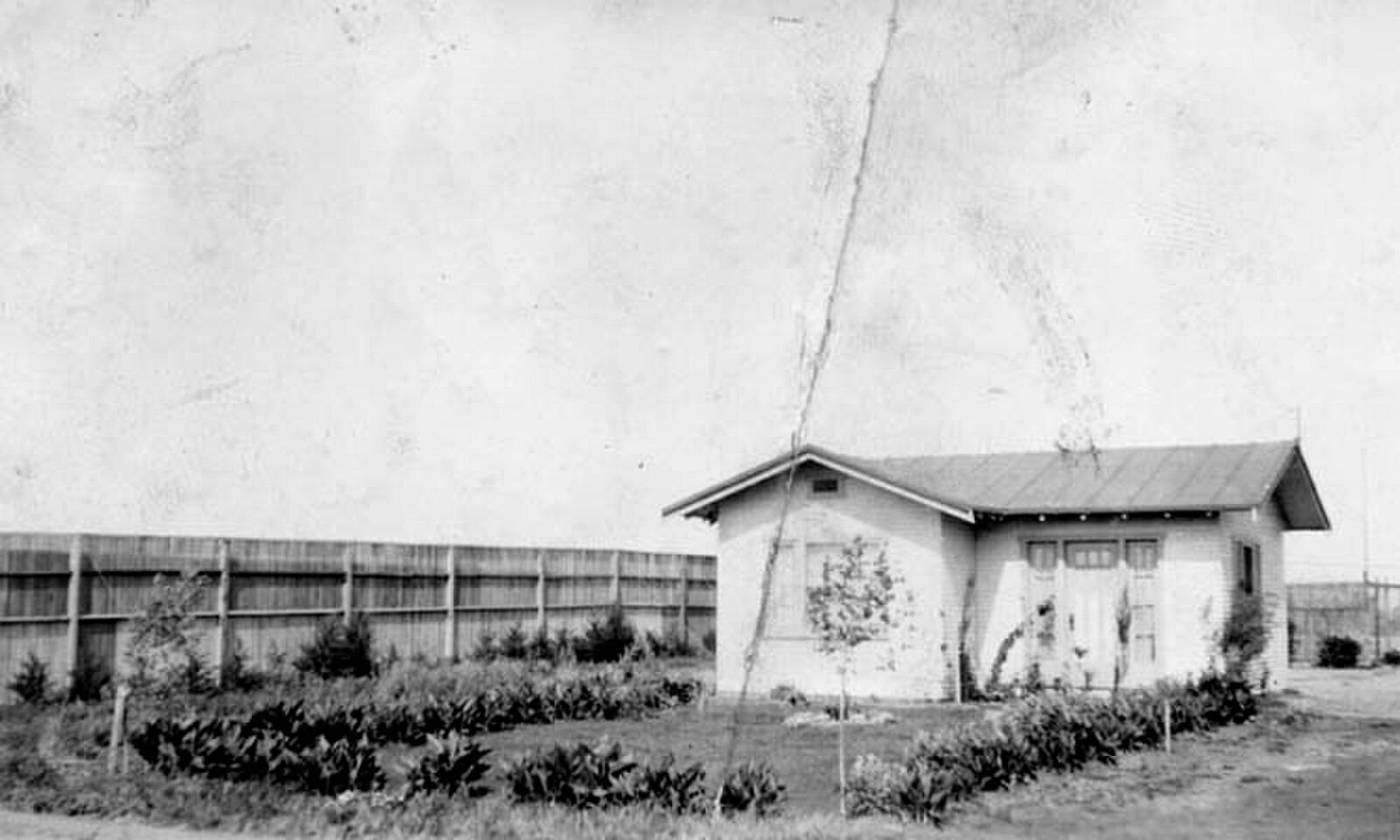
- Period
- 1926–1928
- Location
- Wineville, California
- Case status
- Gordon Northcott convicted and executed; Sarah Louise Northcott convicted in a related killing
A nephew taken to the ranch
In 1926, Gordon Stewart Northcott brought his teenage nephew Sanford Clark from Canada to a poultry ranch near Wineville in Riverside County. Clark later told authorities that Northcott abused him and forced him to assist with crimes against boys. The isolated property contained a house, chicken coops and ground where investigators would search for remains. Clark’s account became the foundation of the case, but it emerged only after relatives in Canada grew concerned and contacted American officials about his treatment and immigration status.
Disappearances in Southern California
Children had vanished across the Los Angeles region, including brothers Lewis and Nelson Winslow and nine-year-old Walter Collins. Northcott targeted boys he encountered away from home and brought victims to the ranch. The precise number of killings has remained uncertain because bodies were destroyed, moved or never conclusively identified. Later retellings often combine allegation, confession and conviction. The legally established record is narrower: Northcott was tried for the murders of the Winslow brothers and an unidentified Mexican boy, while other deaths were investigated through related testimony and guilty pleas.
Sanford Clark's disclosure
After Clark was removed from the ranch in 1928, he described killings to Canadian and American authorities. Police searched the property and found bloodstains, personal effects and fragments believed to be human remains. Northcott and his mother, Sarah Louise Northcott, fled to Canada but were arrested. Extradition proceedings returned Gordon to California. Clark testified against his uncle despite the abuse and coercion he had experienced. His detailed account allowed prosecutors to reconstruct events at a site where much of the physical evidence had been deliberately destroyed.
Convictions in separate proceedings
Gordon Northcott represented himself for parts of his 1929 trial and changed his explanations repeatedly. A jury convicted him of three murders, and he was sentenced to death. California executed him at San Quentin in 1930. Sarah Louise Northcott pleaded guilty to killing a boy she identified as Walter Collins, though she later withdrew or contradicted statements about the victim’s identity. She received a life sentence and was paroled years later. These outcomes established criminal responsibility without resolving every disappearance associated with the ranch.
Christine Collins and a false reunion
Walter Collins’s mother, Christine, faced a separate injustice when Los Angeles police presented another boy as her missing son. She rejected the identification, but officers pressured her to accept him and later confined her in a psychiatric ward when she continued challenging them. The imposture was exposed, and Collins successfully sued a police captain. Walter’s body was never conclusively recovered. His case therefore should not be presented as solved solely because of Northcott’s ranch, even though testimony and Sarah Northcott’s plea connected the disappearance to the investigation.
What the surviving record proves
Photographs, trial files and Los Angeles Public Library collections document the ranch, the missing children and the prosecutions. They also show why the case requires careful labels. Gordon Northcott was convicted of three murders, not every death attributed to him in popular accounts. Sanford Clark was an abused child witness, not a willing partner. Christine Collins continued seeking her son after officials claimed success. The case endures because it combined serial violence with institutional failure, and because several families never received a complete, forensically confirmed account of what happened to their children.
Reader comments.
Keep it respectful and relevant to the report. No personal information, harassment or unsupported accusations. Comments are readers’ views.
Loading your sign-in status…